Can a Car Accident Lead to a Bulging Disc? Here's What to Know
Understanding Bulging Discs: Definition and Symptoms
At Florida Medical Orthopedic & Spine Institute, we believe that understanding your condition is the first step toward effective treatment. A bulging disc, also known as a herniated or slipped disc, occurs when the soft cushion of tissue between the vertebrae in your spine protrudes outward. This can happen due to age-related wear and tear, injury, or improper lifting techniques.
Contact Us Today
Have a question? Looking for treatment? We’re here to help. Send us a message and we’ll be in touch.
Definition of a Bulging Disc
A bulging disc is characterized by the outer layer of the disc weakening, allowing the inner gel-like substance to bulge outwards. Unlike a herniated disc, where the material has broken through the outer layer, a bulging disc still maintains its overall structure. However, it can still lead to discomfort and pain.
Common Symptoms
Symptoms of a bulging disc can vary depending on the location of the disc and the extent of the bulging. Common symptoms may include:
- Pain: Localized pain at the site of the disc or radiating pain down the limbs if the bulging disc compresses nearby nerves.
- Numbness or Tingling: Patients may experience tingling sensations or numbness in the arms or legs, depending on the affected area.
- Weakness: Muscle weakness in extremities can occur if nerve function is compromised.
- Increased Pain with Movement: Activities such as bending, lifting, or twisting can intensify discomfort.
Understanding these symptoms is vital for early detection and management. If you are experiencing any of these signs, it's essential to consult with our experienced team at Florida Medical Orthopedic & Spine Institute. We specialize in both surgical and nonsurgical treatment options tailored to your individual needs, ensuring you receive compassionate care on your journey to recovery.
The Mechanics of Car Accidents and Their Impact on the Spine
At Florida Medical Orthopedic & Spine Institute, we understand that car accidents can lead to serious injuries, particularly to the spine. The human spine is a resilient structure, but it is vulnerable to trauma during vehicular collisions. Understanding the mechanics of these accidents can help in identifying potential injuries and guiding appropriate treatment options.
How Car Accidents Occur
Car accidents generally happen as a result of sudden jolts or impacts, which can occur from various scenarios, such as rear-end collisions, head-on crashes, or side impacts. During these incidents, the body is often subjected to forces that exceed normal limits, leading to sudden changes in velocity and direction.
Common Spine Injuries from Car Accidents
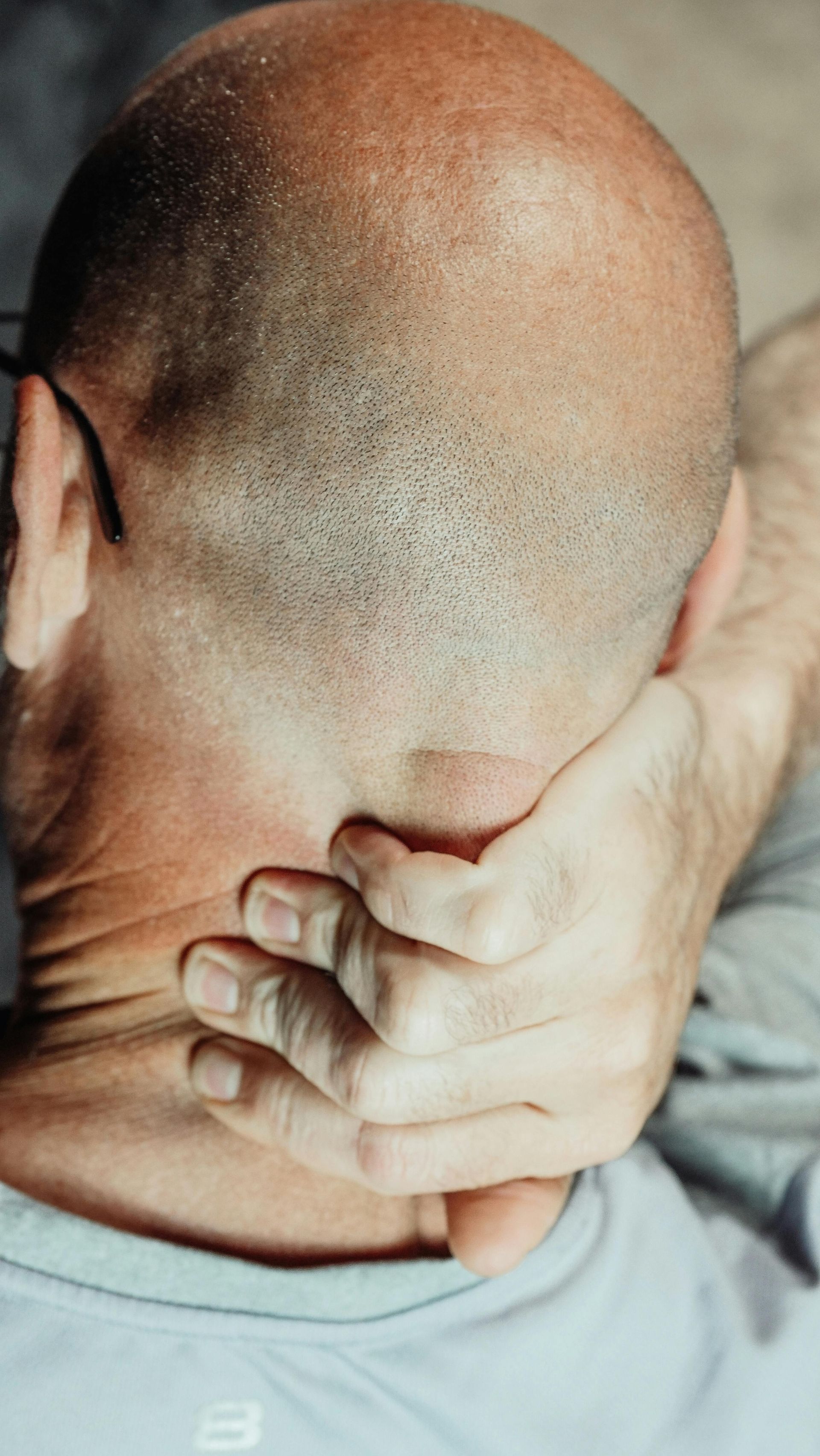
- Whiplash: This is one of the most frequent injuries experienced in rear-end collisions. Whiplash occurs when the head is suddenly jerked forward and then backward, straining the muscles and ligaments in the neck and upper spine.
- Herniated Discs: The impact from a car crash can cause the discs that act as cushions between the vertebrae to bulge or rupture. A herniated disc can compress nearby nerves, leading to pain, numbness, or weakness.
- Fractures: High-impact collisions can lead to fractures in the vertebrae. This type of injury can be particularly severe, potentially injuring the spinal cord and leading to significant complications.
- Spinal Cord Injuries: In severe accidents, the spinal cord may be injured, resulting in partial or complete loss of function below the injury level. This could lead to a range of outcomes, from temporary numbness to paralysis.
The Importance of Early Diagnosis and Treatment
Recognizing the signs of spinal injuries is crucial for effective treatment. Symptoms may not always be apparent immediately following an accident, so ongoing evaluation is essential. If you experience persistent pain, discomfort, or mobility issues after a car accident, it’s important to seek medical attention promptly.
Signs and Symptoms of a Bulging Disc Post-Accident
If you have recently experienced an accident, it's important to be aware of the signs and symptoms of a bulging disc. At Florida Medical Orthopedic & Spine Institute, we understand that recognizing these symptoms early can make a significant difference in your recovery. Here are the key signs to watch for:
1. Localized Pain
- You may experience sharp or dull pain in the area of the spine where the bulging disc is located. This pain can worsen with certain movements or positions.
2. Radiating Pain
- Often, the pain from a bulging disc can radiate to other areas. For instance, a bulging disc in the lumbar region may cause pain that travels down the leg, while a cervical disc issue can lead to pain in the shoulders or arms.
3. Numbness or Tingling
- A bulging disc can press on nerves, leading to sensations of numbness or tingling in the extremities. This may affect your hands, fingers, arms, legs, or feet, depending on the location of the bulge.
4. Muscle Weakness
- You may notice a decrease in strength in the affected limbs. This could manifest as difficulty lifting objects, performing movements, or even walking.
5. Decreased Range of Motion
- A bulging disc can limit your ability to move your neck or back comfortably. You might find it painful to perform everyday activities such as bending, twisting, or standing for long periods.
6. Symptoms Worsening with Activity
- If you notice that physical activity exacerbates your symptoms, this may be a clear indicator of a bulging disc. Activities such as lifting, bending, or prolonged sitting can contribute to increased discomfort.
7. Postural Changes
- Many individuals with a bulging disc may instinctively change their posture to alleviate pain. You might find yourself leaning to one side or adopting awkward positions that can further strain your body.
When to Seek Help
If you experience any of these symptoms after an accident, it is crucial to seek medical attention promptly. Early diagnosis and intervention can help manage your pain and prevent further complications. At Florida Medical Orthopedic & Spine Institute, our team of experienced and compassionate physicians is dedicated to providing you with the tailored care you need, whether through surgical or nonsurgical treatment options.
Remember, your health and well-being are our top priorities. If you have concerns about a possible bulging disc, don’t hesitate to contact us for an evaluation.
Conclusion: Understanding Your Health and Legal Rights After an Accident
In conclusion, understanding your health and legal rights after an accident is crucial for ensuring that you receive the appropriate care and compensation you deserve. At Florida Medical Orthopedic & Spine Institute, we are dedicated to guiding you through this complex process. Our experienced team of physicians is here to provide expert care for your musculoskeletal conditions, whether through surgical or nonsurgical avenues.
Being informed about your rights allows you to make empowered decisions that can significantly impact your recovery and overall well-being. Should you face the challenges of pain management after an accident, we are here to support you every step of the way. Your health is our priority, and we are committed to helping you navigate both your medical needs and your legal rights effectively.
Don't Wait, Prioritize Your Health:
The moments following an accident can be chaotic, but prioritizing your health by seeking immediate medical attention is one of the most important decisions you can make. Even if you feel seemingly unharmed, hidden injuries can be lurking beneath the surface.
If you've been involved in an accident, don't delay. Visit your nearest emergency room, urgent care, or schedule an appointment with a personal injury doctor as soon as possible. At FMOS, we are dedicated to providing comprehensive and timely care to accident victims, ensuring you receive the diagnosis, treatment, and support you need to recover fully.
Your health matters. Don't let precious hours pass without getting the medical attention you deserve.
Contact Us Today
Have a question? Looking for treatment? We’re here to help. Send us a message and we’ll be in touch.