Understanding Muscle Strains: Signs, Symptoms, and Relief
What is a Muscle Strain?
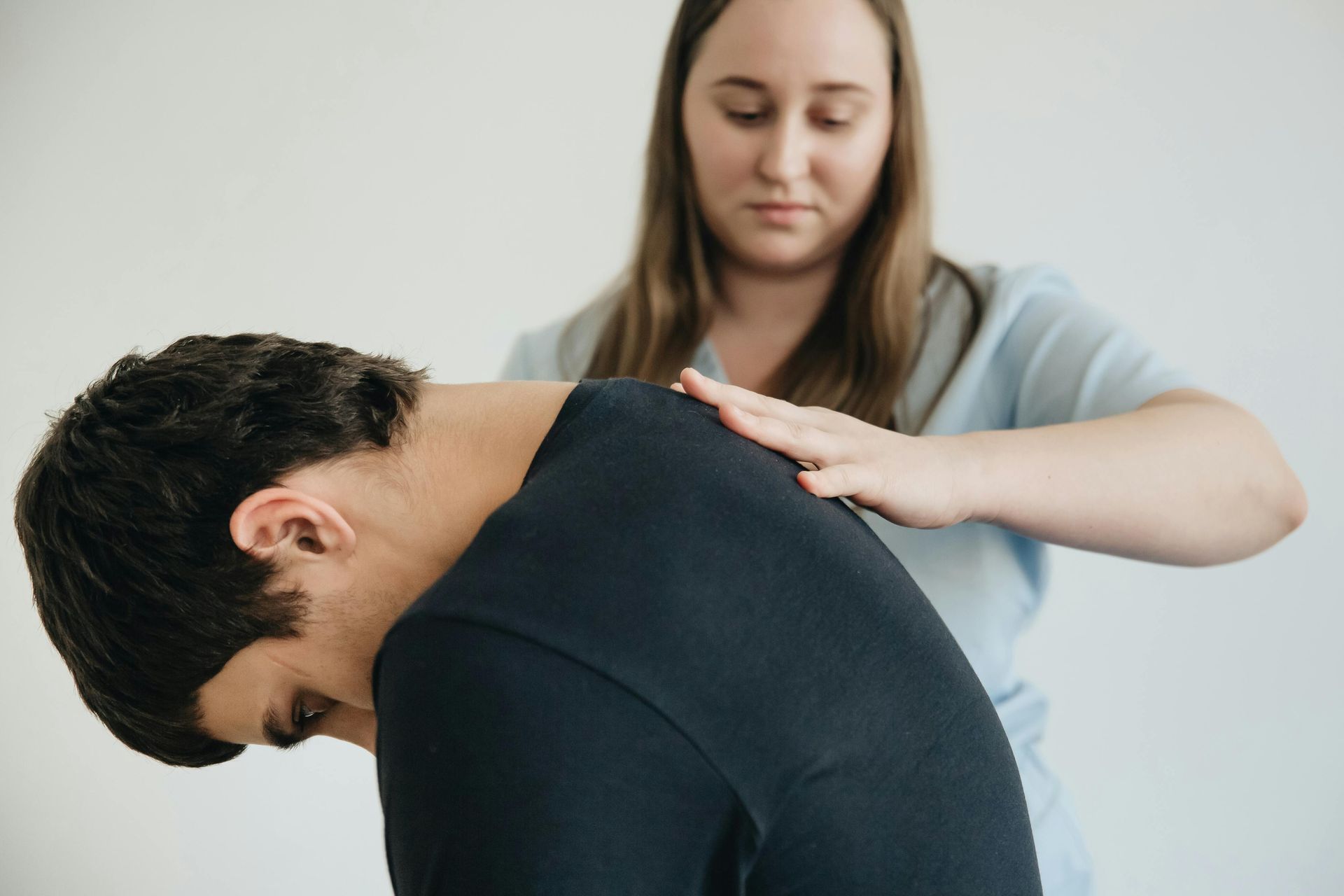
A muscle strain, commonly referred to as a pulled muscle, occurs when muscle fibers are overstretched or torn, often due to excessive force, improper movement, or overexertion. Symptoms typically include pain, swelling, and limited mobility, which can significantly impact daily activities and overall quality of life. At Florida Medical Orthopedic & Spine Institute, our team of experienced physicians specializes in diagnosing and treating muscle strains with both surgical and nonsurgical options tailored to each patient's needs. We prioritize compassionate care and evidence-based treatments to aid in your recovery and help you return to your active lifestyle.
Contact Us Today
Have a question? Looking for treatment? We’re here to help. Send us a message and we’ll be in touch.
Common Causes of Muscle Strains
Muscle strains are a frequent source of discomfort and can significantly impact your daily activities. Understanding the common causes of muscle strains can help in both prevention and treatment. Here are some key factors that contribute to muscle strains:
- Overexertion: Engaging in physical activities beyond your normal capacity is a leading cause of muscle strains. This can happen during exercise, sports, or even during chores around the house.
- Poor Warm-Up: Failing to adequately warm up before physical activity can leave muscles stiff and more prone to injury. A proper warm-up increases blood flow and prepares the muscles for exertion.
- Improper Technique: Using incorrect technique in lifting or exercising can place undue stress on muscles. It’s crucial to learn and maintain proper form to avoid strains.
- Muscle Imbalance: An imbalance between opposing muscle groups (e.g., strong quadriceps vs. weaker hamstrings) can lead to increased strain on the weaker muscles during physical activity.
- Fatigue: Tired muscles are less effective at resisting injuries. Fatigue can occur not only due to prolonged activity but also from inadequate rest or recovery.
- Dehydration: Muscles require adequate hydration to function properly. Dehydration can lead to muscle cramps and increases the risk of strains.
- Sudden Movements: Rapid or sudden movements, especially those that involve twisting or changing direction, can cause acute strains.
- Repetitive Use: Repeatedly performing the same motion can gradually overextend muscles, leading to strains over time. This is particularly common in occupational settings or specific sports.
At Florida Medical Orthopedic & Spine Institute, our dedicated team of physicians is here to help you understand and manage muscle strains with personalized treatment options. Whether you’re dealing with a recent injury or chronic pain, we provide both surgical and nonsurgical solutions tailored to your needs. If you’re suffering from a muscle strain or wish to prevent one, reach out to us for comprehensive care and support.
Signs and Symptoms of Muscle Strains
At Florida Medical Orthopedic & Spine Institute, we understand that muscle strains can significantly impact your daily life. Recognizing the signs and symptoms early can help you seek appropriate care and manage your pain effectively. Here are the common indicators of muscle strains:
- Pain: The most immediate sign of a muscle strain is pain in the affected area. This pain can vary from mild to severe and may worsen with movement or pressure.
- Swelling: Inflammation around the injured muscle is common, leading to noticeable swelling in the area.
- Bruising: Depending on the severity of the strain, you may observe bruising around the injured site due to small blood vessels breaking.
- Muscle Spasms: You might experience involuntary muscle contractions or spasms, which can be painful and hinder movement.
- Limited Range of Motion: A strained muscle may feel stiff, making it difficult to move the affected joint or limb fully.
- Weakness: The injured muscle may feel weaker than usual. This can affect your ability to lift, push, or perform activities that require strength.
- Tenderness: The area around the muscle strain may be tender to the touch, which can contribute to discomfort even when at rest.
If you experience any of these symptoms following an injury or overexertion, it is essential to consult a healthcare professional. At Florida Medical Orthopedic & Spine Institute, our dedicated team of physicians is here to provide comprehensive assessments and develop a personalized treatment plan to help alleviate your pain and restore function. Don't let a muscle strain hold you back; reach out for support today.
Types of Muscle Strains
At Florida Medical Orthopedic & Spine Institute, we understand that muscle strains can significantly impact your quality of life. Strains occur when muscle fibers are stretched or torn, and they can vary in severity. Here’s a breakdown of the different types of muscle strains:
1. Mild Strain (Grade I)
Mild strains involve slight stretching or microscopic tears in the muscle fibers. Symptoms typically include minor pain and tenderness, along with some stiffness. While these strains may cause discomfort, they usually heal quickly with rest and conservative care.
2. Moderate Strain (Grade II)
Moderate strains feature more extensive tearing of the muscle fibers. Symptoms can include significant pain, swelling, bruising, and a noticeable decrease in mobility. This level of strain may require physical therapy and a more extended recovery period to heal properly.
3. Severe Strain (Grade III)
Severe strains involve complete tears of the muscle or tendon, resulting in a loss of function in the affected area. Symptoms often encompass intense pain, swelling, and audible popping at the moment of injury. In many cases, surgical intervention may be necessary, followed by extensive rehabilitation.
Understanding the types of muscle strains is crucial for effective prevention and management. Adequate warm-up, proper technique in sports, and regular strength training can help reduce the risk of muscle injuries. At Florida Medical Orthopedic & Spine Institute, our compassionate team is dedicated to providing personalized treatment plans that address your pain and promote a swift recovery. If you suspect a muscle strain, contact us for a comprehensive evaluation and tailored care options.
Preventing Muscle Strains: Tips and Best Practices
At Florida Medical Orthopedic & Spine Institute, we prioritize your health and well-being, especially when it comes to preventing common injuries like muscle strains. A muscle strain can occur when muscles are stretched beyond their capacity, which can lead to pain, discomfort, and limited mobility. Here are some effective tips and best practices to help you avoid these injuries:
1. Warm Up Properly
- Always start your physical activity with a warm-up. Engaging in light aerobic exercises followed by dynamic stretches for 5-10 minutes prepares your muscles for more intense activity.
2. Practice Good Technique
- Whether you’re lifting weights or engaging in a sports activity, using proper form is crucial. Take time to learn the correct techniques to prevent strains and other injuries. If unsure, consider consulting a trainer or physical therapist.
3. Strength Training
- Incorporate strength training exercises into your routine to build muscle strength and endurance. Strong muscles support joints and help prevent injuries.
4. Stay Hydrated
- Dehydration can lead to fatigue and increase your risk of muscle strains. Ensure you drink enough water before, during, and after exercise to maintain optimal hydration levels.
5. Gradual Progression
- Avoid drastic changes in your exercise routine. Gradually increase the intensity, duration, and frequency of your workouts to allow your body to adapt and minimize strain risk.
6. Listen to Your Body
- Pay attention to the signals your body sends. If you feel pain or discomfort, take a break. Pushing through the pain can lead to more severe injuries.
7. Cool Down After Exercise
- Just like warming up, cooling down is essential. Spend 5-10 minutes doing light exercises and static stretches after your workout to help your muscles recover.
8. Cross-Training
- Engaging in different types of physical activities can help prevent overuse injuries. Mixing cardio, strength training, and flexibility exercises promotes overall fitness and reduces the risk of strains.
9. Maintain Flexibility
- Regular stretching enhances flexibility, which can help prevent muscle strains. Incorporate stretching routines into your daily activities, focusing on key muscle groups.
10. Consult with Professionals
- If you have a history of muscle strains or are starting a new exercise regimen, consider consulting with a physician or physical therapist for personalized advice and assessments.
By following these tips, you can significantly reduce your risk of muscle strains and maintain an active, healthy lifestyle. At Florida Medical Orthopedic & Spine Institute, our team is here to support you in every step of your journey towards optimal musculoskeletal health. If you have questions or concerns about muscle strains, don't hesitate to reach out to our knowledgeable staff.
Conclusion: Managing Muscle Strains Effectively
At Florida Medical Orthopedic & Spine Institute, we understand the impact that muscle strains can have on your daily life. Effective management is crucial not only for alleviating pain but also for ensuring a swift recovery and preventing future injuries.
Our experienced team is dedicated to providing both surgical and nonsurgical treatments tailored to your individual needs. By adopting a comprehensive approach that includes rest, physical therapy, and, when necessary, advanced medical interventions, we aim to restore function and enhance your quality of life.
Remember, listening to your body and seeking prompt medical advice is key in managing muscle strains. If you or a loved one is experiencing persistent pain or discomfort, don’t hesitate to reach out to us. Together, we can develop a personalized treatment plan that supports your journey toward recovery.
At Florida Medical Orthopedic & Spine Institute, your well-being is our top priority. Let us help you regain strength and return to the activities you love.
Don't Wait, Prioritize Your Health:
The moments following an accident can be chaotic, but prioritizing your health by seeking immediate medical attention is one of the most important decisions you can make. Even if you feel seemingly unharmed, hidden injuries can be lurking beneath the surface.
If you've been involved in an accident, don't delay. Visit your nearest emergency room, urgent care, or schedule an appointment with a personal injury doctor as soon as possible. At FMOS, we are dedicated to providing comprehensive and timely care to accident victims, ensuring you receive the diagnosis, treatment, and support you need to recover fully.
Your health matters. Don't let precious hours pass without getting the medical attention you deserve.
Contact Us Today
Have a question? Looking for treatment? We’re here to help. Send us a message and we’ll be in touch.