Essential Guide: Which Doctor to See After a Car Accident
Understanding the Importance of Medical Attention After a Car Accident
Car accidents can be disorienting and stressful. Amid the chaos, it's critical to prioritize your health by seeking immediate medical attention. Ignoring injuries or delaying treatment can result in long-term complications, exacerbate existing conditions, and complicate insurance claims. The adrenaline rush following an accident can mask pain, making it easy to dismiss subtle symptoms that may indicate more serious issues. Therefore, understanding the importance of prompt medical evaluation is the first step towards a full recovery.
Post-accident medical care not only addresses visible injuries but also helps identify hidden injuries that might not manifest symptoms immediately. Internal injuries, concussions, and soft tissue damage are common examples of conditions that may not be apparent right away but can have serious consequences if left untreated. Early diagnosis and treatment can prevent these injuries from worsening and can significantly improve the prognosis.
Furthermore, timely medical attention plays a crucial role in the documentation required for insurance claims and legal proceedings. Medical records serve as vital evidence of the injuries sustained and the necessary treatments, strengthening your case for compensation. Without proper medical documentation, it becomes challenging to prove the extent of your injuries and the impact on your life. Therefore, seeking immediate and appropriate medical care is essential for both your health and any potential legal claims.
Contact Us Today
Have a question? Looking for treatment? We’re here to help. Send us a message and we’ll be in touch.
Common Injuries Sustained in Car Accidents
Car accidents can result in a wide range of injuries, varying from minor cuts and bruises to severe, life-threatening conditions. Understanding the common injuries sustained in car accidents can help you recognize symptoms and seek appropriate medical care. One of the most frequent injuries is whiplash, caused by the sudden jerking motion of the head and neck. Symptoms of whiplash include neck pain, stiffness, headaches, and dizziness. While often considered a minor injury, whiplash can lead to chronic pain and discomfort if not properly treated.
Another common injury is a concussion, a type of traumatic brain injury resulting from a blow to the head. Concussions can cause headaches, confusion, memory problems, and balance issues. It's essential to seek medical attention if you suspect a concussion, as repeated concussions can lead to long-term cognitive impairment. Additionally, internal injuries such as organ damage and internal bleeding are serious conditions that require immediate medical intervention. Symptoms like abdominal pain, swelling, and dizziness should not be ignored, as they may indicate internal injuries.
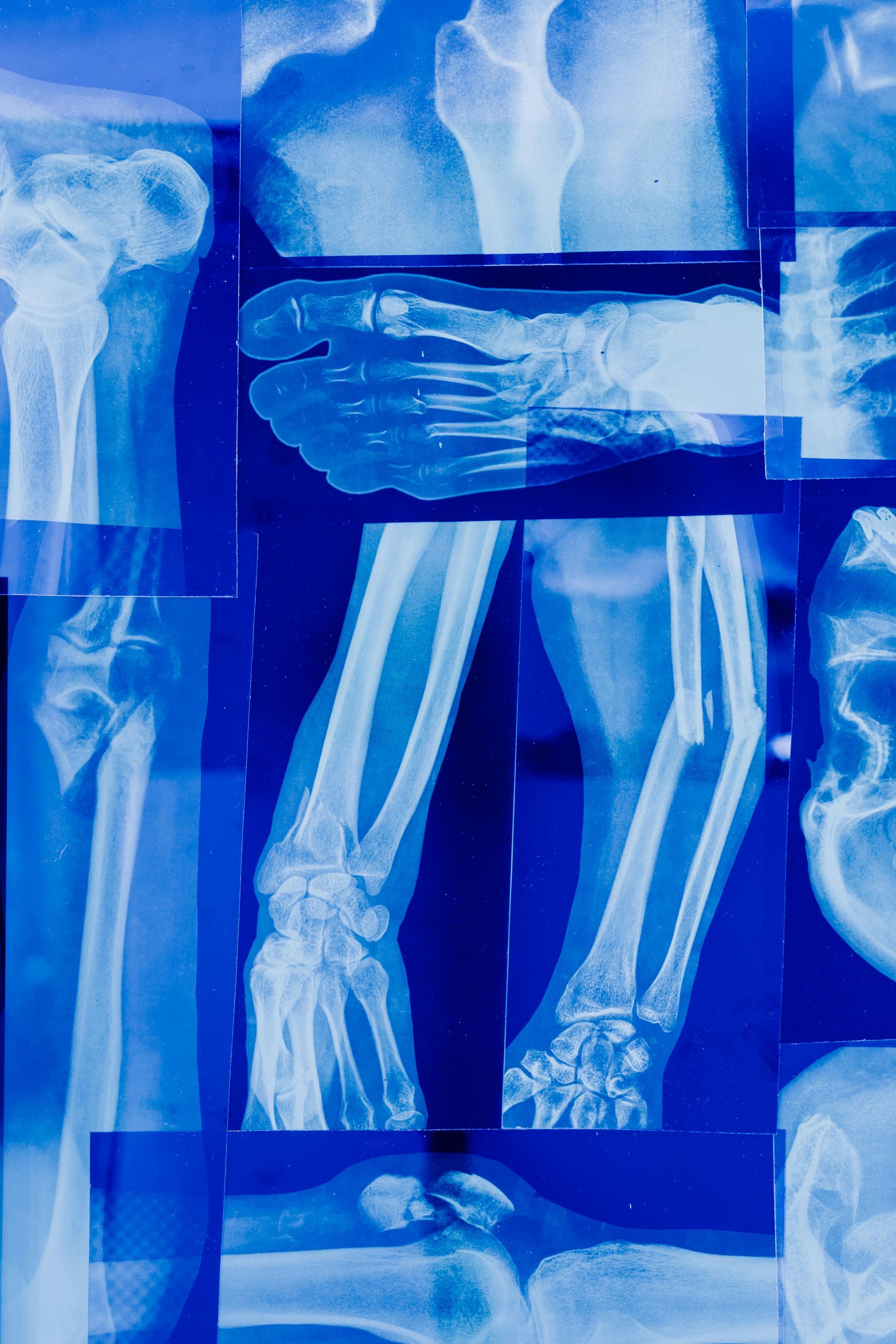
Fractures and broken bones are also prevalent in car accidents, affecting various parts of the body, including arms, legs, ribs, and the spine. These injuries can result in significant pain, limited mobility, and long-term complications if not properly addressed. Soft tissue injuries, such as sprains, strains, and tears, are common as well, affecting muscles, ligaments, and tendons. These injuries can cause pain, swelling, and limited range of motion, requiring appropriate medical care and rehabilitation for optimal recovery.
Types of Doctors to Consider for Post-Accident Care
After a car accident, determining the right type of doctor to see can be overwhelming. The type of medical professional you need depends on the nature and severity of your injuries. In many cases, multiple healthcare providers may be involved in your care to ensure comprehensive treatment. Primary care physicians, specialists, physical therapists, and emergency room doctors each play a vital role in the recovery process.
Primary care physicians (PCPs) are often the first point of contact for post-accident care. They provide initial evaluations, diagnose injuries, and coordinate referrals to specialists if necessary. PCPs can manage minor injuries and follow up on your overall health, ensuring that any potential complications are addressed promptly. They also play a crucial role in documenting your injuries and treatments, which is essential for insurance claims and legal purposes.
Specialists such as orthopedists, neurologists, and chiropractors are often required for more specific injuries. Orthopedists specialize in musculoskeletal injuries, including fractures, joint injuries, and soft tissue damage. Neurologists focus on injuries related to the nervous system, such as concussions and nerve damage. Chiropractors provide alternative treatments for musculoskeletal issues, including spinal adjustments and rehabilitation. Depending on the nature of your injuries, these specialists can offer targeted treatments to aid in your recovery.
Primary Care Physicians: The First Step
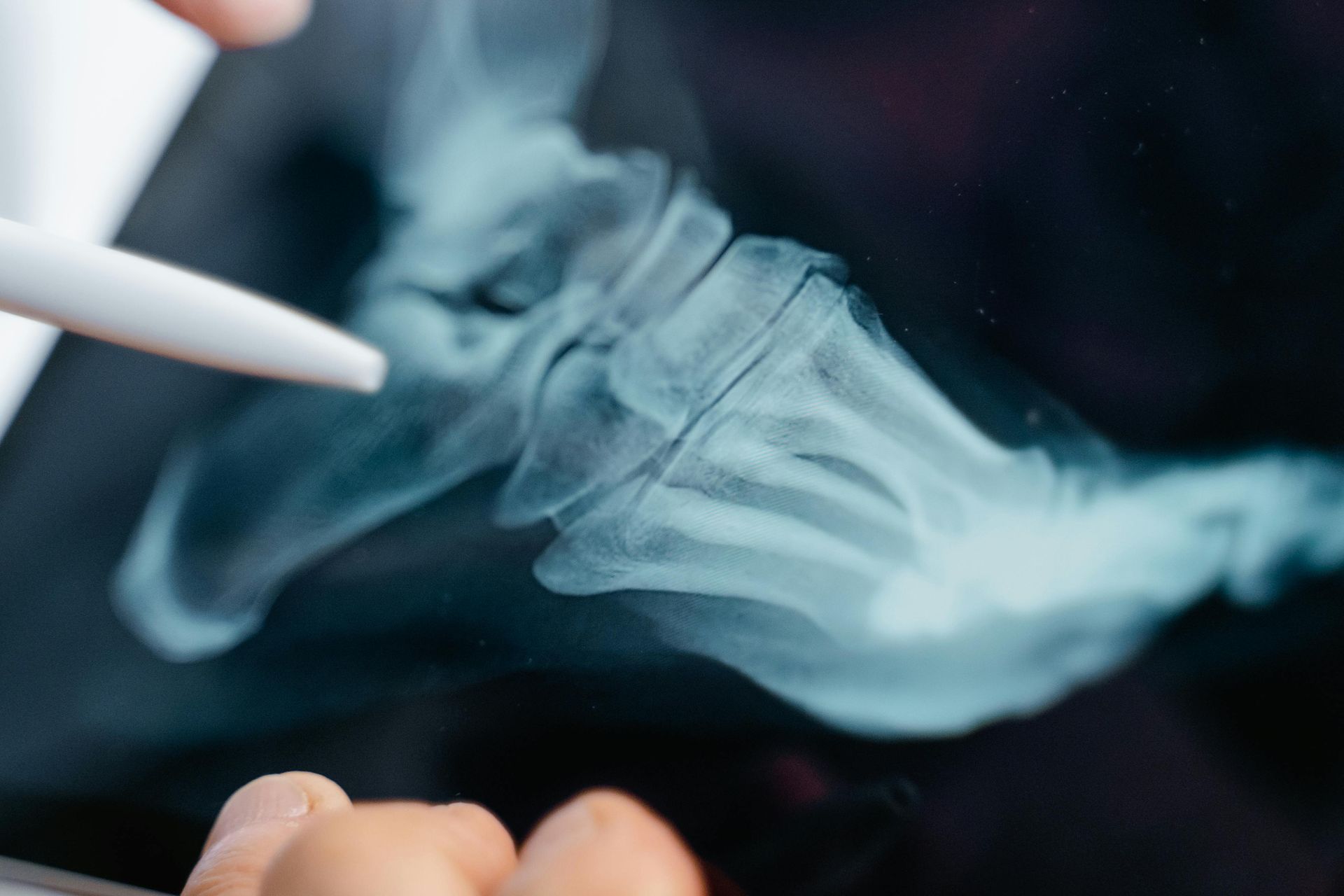
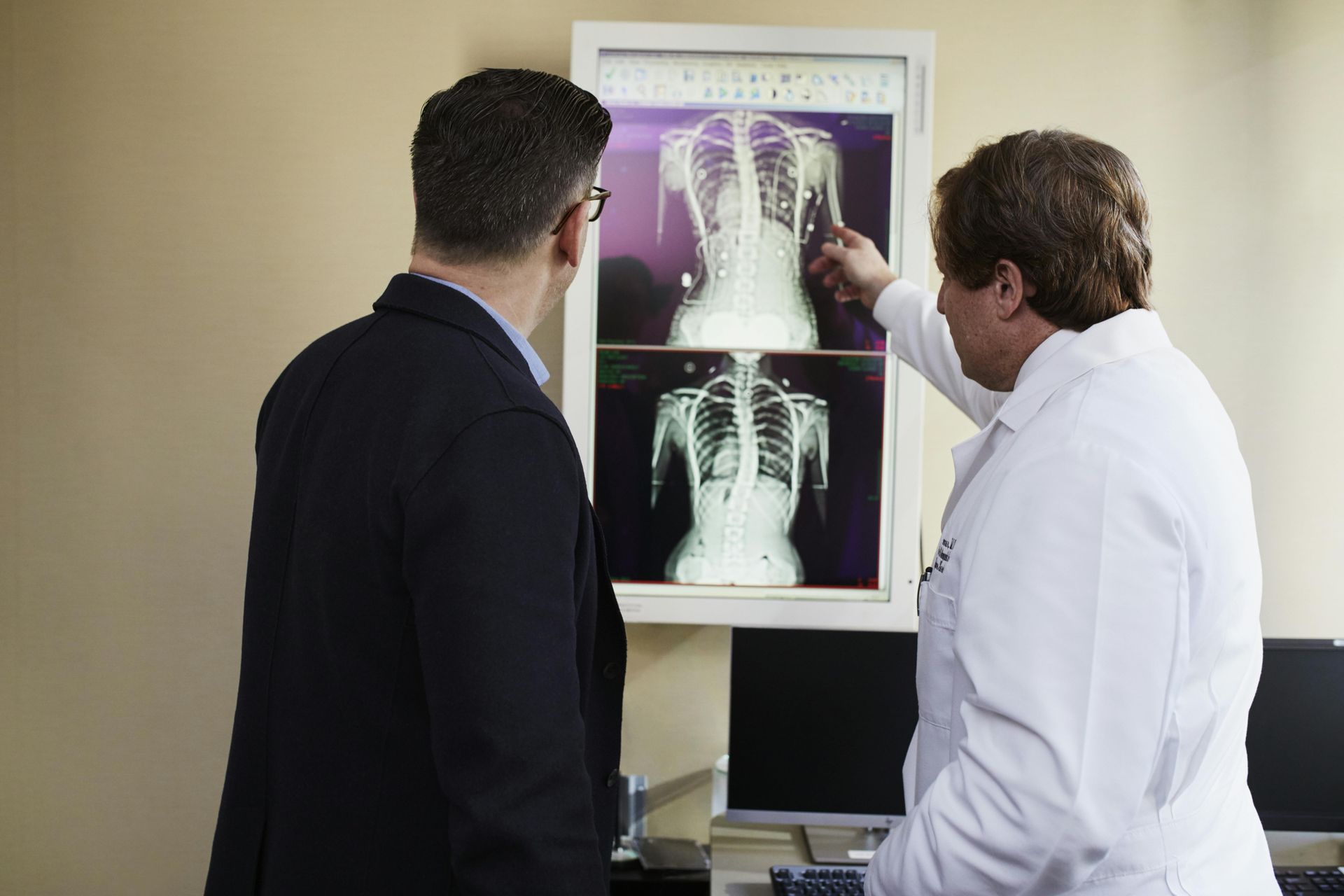
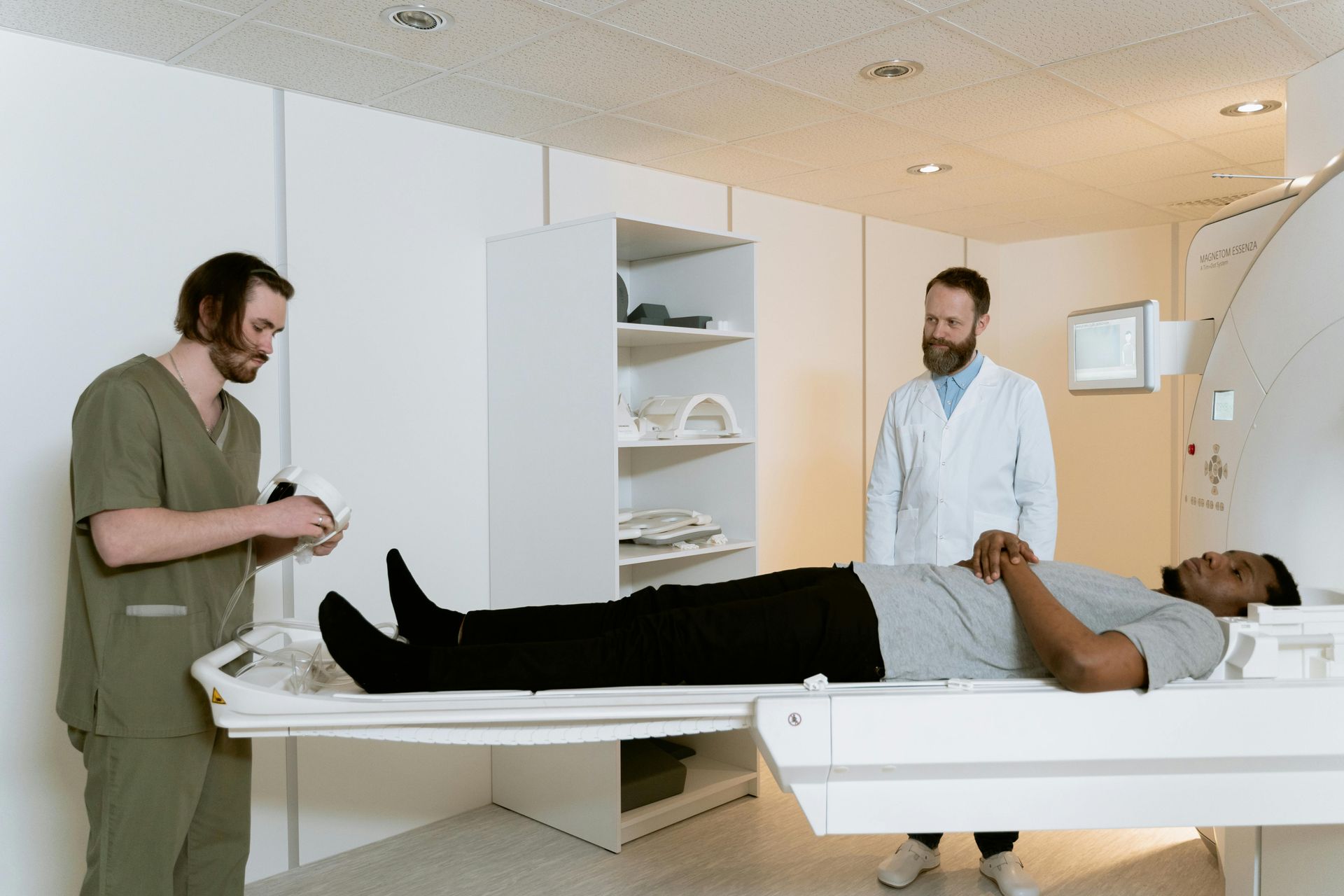
Visiting your primary care physician (PCP) should be your first step after a car accident. PCPs are well-equipped to handle a variety of injuries and can provide a comprehensive evaluation of your overall health. They can assess your symptoms, perform physical examinations, and order necessary diagnostic tests such as X-rays or MRIs. By identifying and diagnosing injuries early, PCPs can initiate appropriate treatments and prevent complications.
In addition to diagnosing and treating injuries, primary care physicians play a crucial role in coordinating your care. They can refer you to specialists for more specific treatments and ensure that all aspects of your recovery are addressed. For example, if you have a fracture, your PCP can refer you to an orthopedist for further evaluation and treatment. If you experience neurological symptoms such as headaches or dizziness, your PCP can refer you to a neurologist for specialized care. This coordination of care ensures that you receive comprehensive and well-rounded treatment.
Another important aspect of seeing a primary care physician is the documentation of your injuries and treatments. Detailed medical records are essential for insurance claims and legal proceedings, as they provide evidence of the injuries sustained and the necessary treatments. Your PCP can document your symptoms, diagnoses, treatments, and progress, ensuring that you have a thorough record of your medical care. This documentation can significantly strengthen your case for compensation and help you navigate the insurance and legal processes.
Specialists: When to See an Orthopedist, Neurologist, or Other Experts
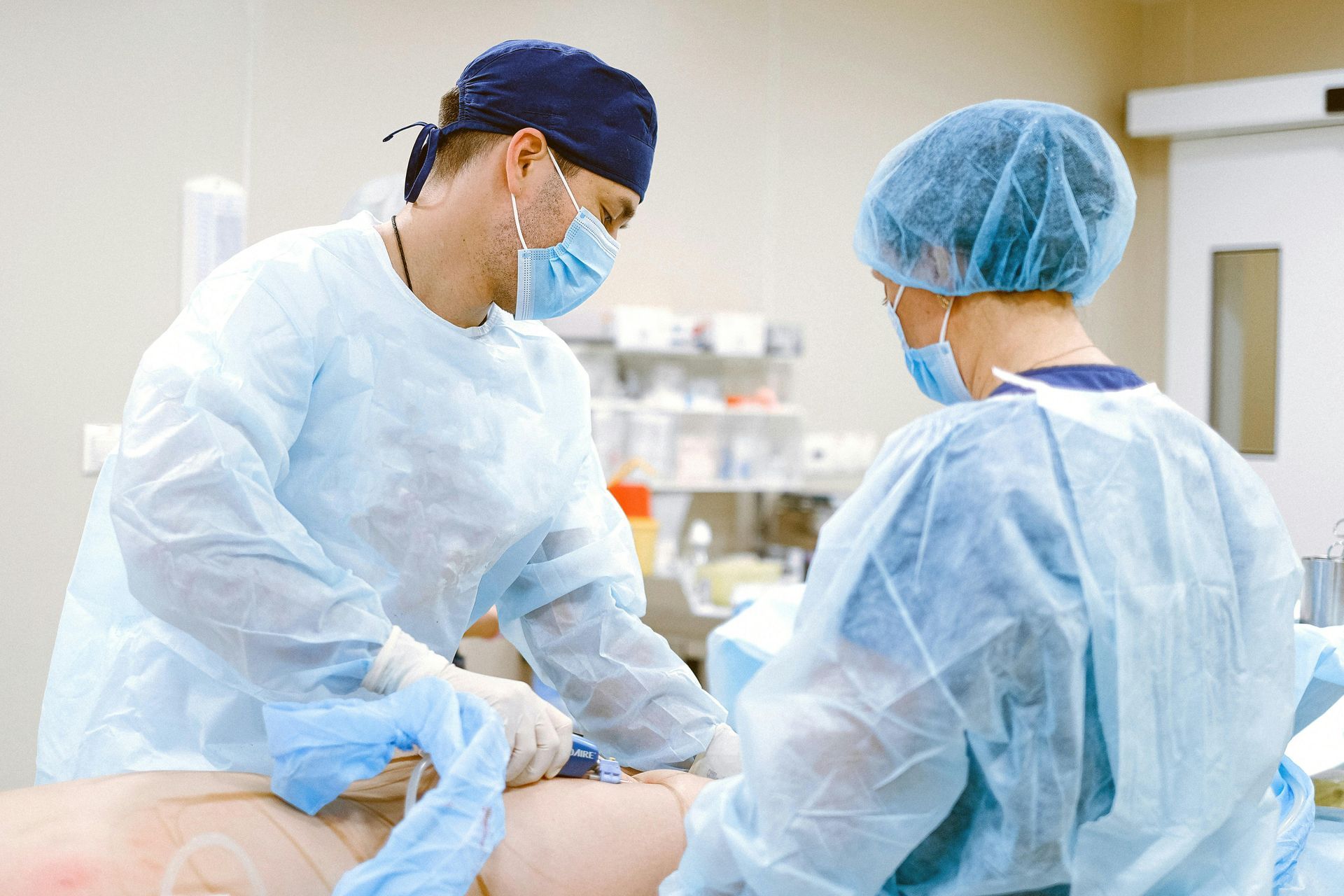
In many cases, the injuries sustained in a car accident require the expertise of specialists. Orthopedists, neurologists, and other medical experts are trained to handle specific types of injuries and provide targeted treatments. Understanding when to see these specialists can ensure that you receive the most appropriate care for your condition. Orthopedists are essential for injuries involving the musculoskeletal system, such as fractures, dislocations, and soft tissue damage. They can perform surgeries, prescribe medications, and recommend physical therapy to aid in your recovery.
Neurologists are crucial when dealing with injuries that affect the nervous system, such as concussions, traumatic brain injuries, and nerve damage. They can perform detailed neurological examinations, order diagnostic tests, and provide treatments to manage your symptoms. Neurologists can also monitor your progress and adjust your treatment plan as needed. If you experience symptoms such as headaches, dizziness, memory problems, or numbness, seeing a neurologist can help ensure that you receive the appropriate care for your condition.
Other specialists, such as chiropractors and pain management doctors, can also play a vital role in your recovery. Chiropractors focus on the diagnosis and treatment of musculoskeletal issues, particularly those related to the spine. They can provide spinal adjustments, manual therapies, and rehabilitation exercises to alleviate pain and improve mobility. Pain management doctors specialize in treating chronic pain and can offer a variety of treatments, including medications, injections, and physical therapy. Depending on the nature of your injuries, these specialists can provide targeted treatments to help you recover and manage your symptoms.
How to Choose the Right Doctor for Your Needs
Selecting the right doctor after a car accident can significantly impact your recovery. It's essential to consider factors such as the doctor's expertise, experience, and approach to care. Start by consulting your primary care physician, who can provide initial evaluations and refer you to specialists if needed. Your PCP can also offer recommendations based on their knowledge of your medical history and the nature of your injuries.
When choosing a specialist, consider their qualifications and experience in treating car accident injuries. Look for board-certified doctors with a proven track record in managing similar cases. Online reviews and patient testimonials can provide insights into the quality of care and the doctor's approach to treatment. Additionally, consider the doctor's communication style and willingness to answer your questions. A doctor who takes the time to explain your condition, treatment options, and recovery plan can help you feel more comfortable and confident in your care.
Insurance considerations are also important when selecting a doctor. Ensure that the healthcare providers you choose are within your insurance network to minimize out-of-pocket costs. Contact your insurance company to verify coverage and understand any requirements for referrals or pre-authorizations. By considering these factors and doing your research, you can choose the right doctor for your needs and ensure that you receive the best possible care for your recovery.
Conclusion: Taking Charge of Your Health After an Accident
Recovering from a car accident can be a challenging and lengthy process, but taking charge of your health is essential for a successful recovery. Understanding the importance of medical attention, recognizing common injuries, and knowing which doctors to see can help you navigate the aftermath of an accident with confidence. By seeking prompt and appropriate medical care, you can address your injuries, prevent complications, and support your overall well-being.
Remember to start with your primary care physician for initial evaluations and referrals to specialists. Orthopedists, neurologists, chiropractors, and physical therapists each play a vital role in addressing specific injuries and providing targeted treatments. Emergency room visits may be necessary for severe injuries, and following up with appropriate healthcare providers is crucial for ongoing care. Choosing the right doctor, considering insurance factors, and keeping thorough documentation can ensure that you receive comprehensive and effective treatment.
Taking charge of your health also involves being proactive in your recovery. Follow your doctors' recommendations, attend all scheduled appointments, and actively participate in your rehabilitation. Educate yourself about your injuries and treatment options, and don't hesitate to ask questions or seek second opinions if needed. By staying informed and engaged in your care, you can achieve the best possible outcome and regain your health and quality of life after a car accident.
Don't Wait, Prioritize Your Health:
The moments following an accident can be chaotic, but prioritizing your health by seeking immediate medical attention is one of the most important decisions you can make. Even if you feel seemingly unharmed, hidden injuries can be lurking beneath the surface.
If you've been involved in an accident, don't delay. Visit your nearest emergency room, urgent care, or schedule an appointment with a personal injury doctor as soon as possible. At FMOS, we are dedicated to providing comprehensive and timely care to accident victims, ensuring you receive the diagnosis, treatment, and support you need to recover fully.
Your health matters. Don't let precious hours pass without getting the medical attention you deserve.
Contact Us Today
Have a question? Looking for treatment? We’re here to help. Send us a message and we’ll be in touch.