Can Bone Spurs Heal Naturally? Understanding Your Options
Diagnosis: How Are Bone Spurs Detected?
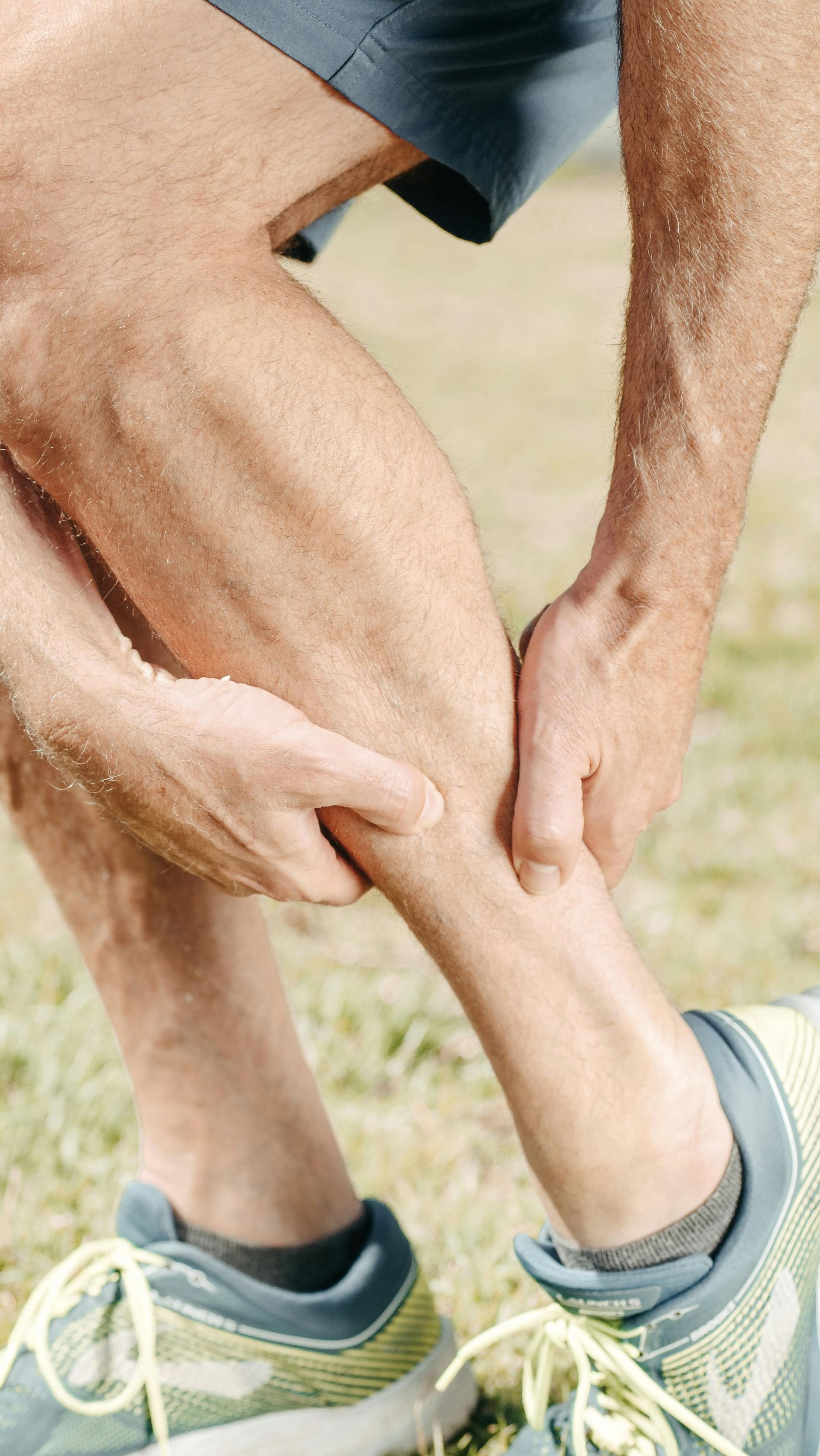
Detecting bone spurs often begins with a visit to a healthcare professional due to persistent pain or limited mobility. The initial step typically involves a detailed medical history and physical examination. The doctor will inquire about symptoms, their duration, and any activities that exacerbate the discomfort. During the physical examination, they will palpate the affected area to feel for any abnormalities and assess the range of motion in the joint.
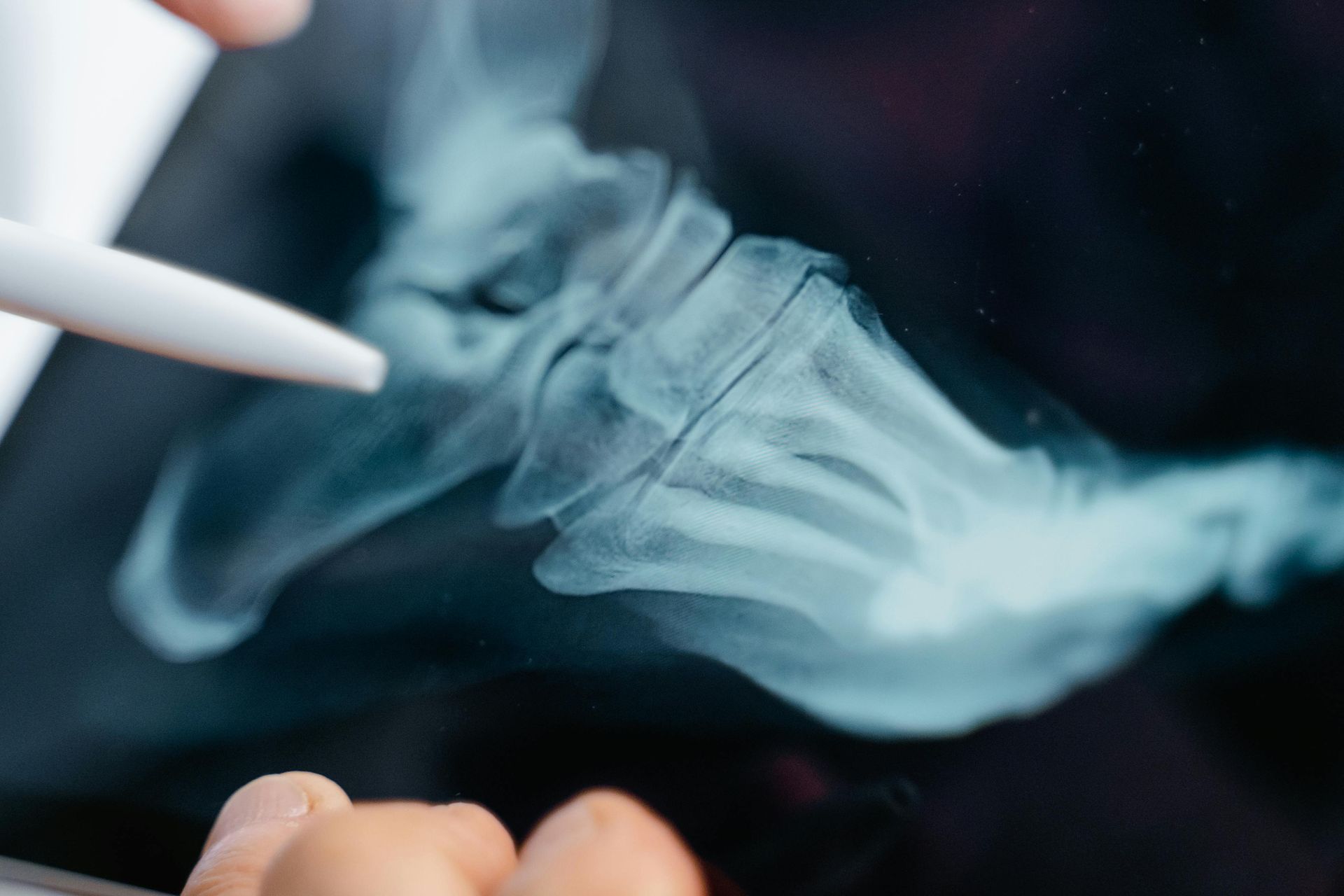
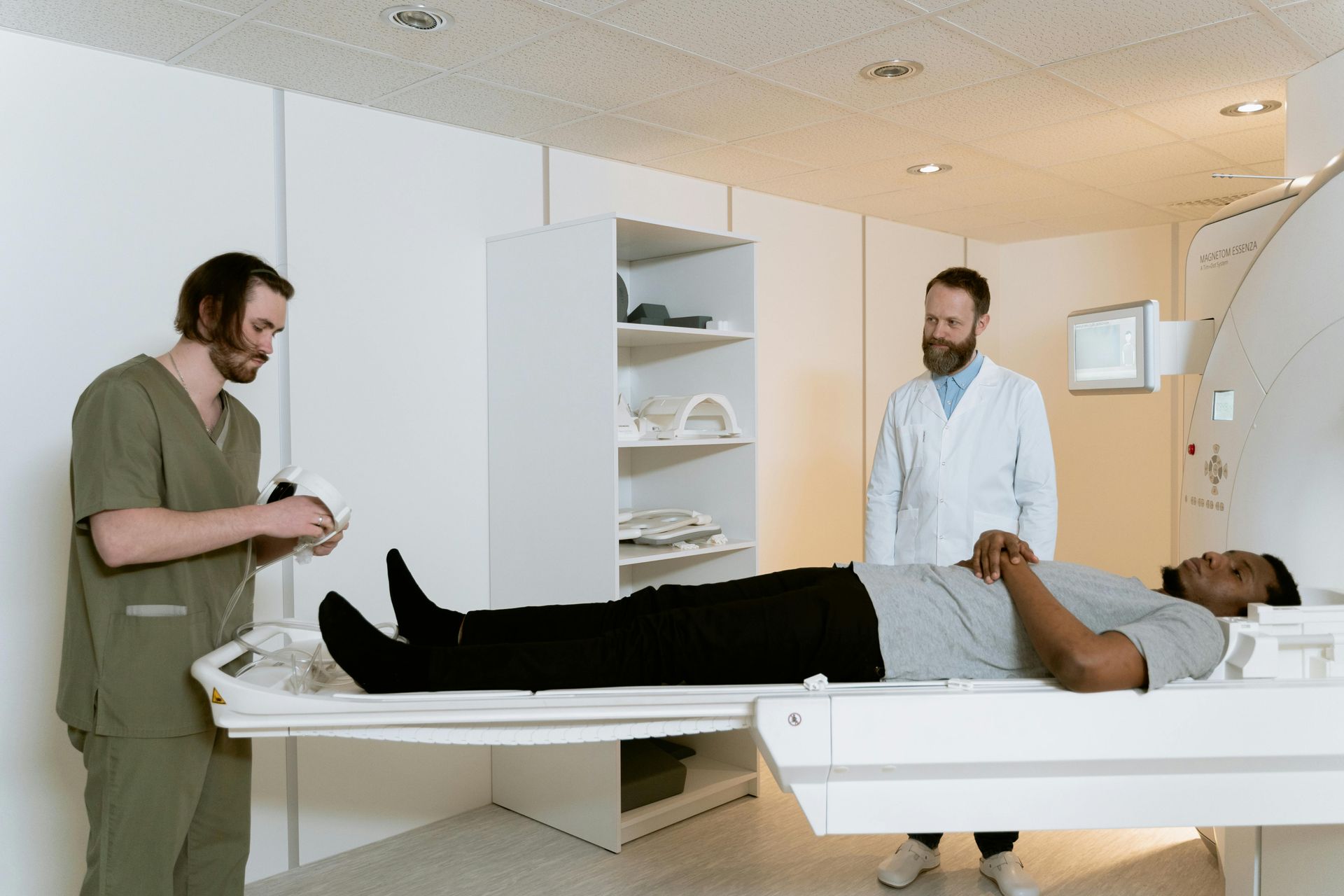
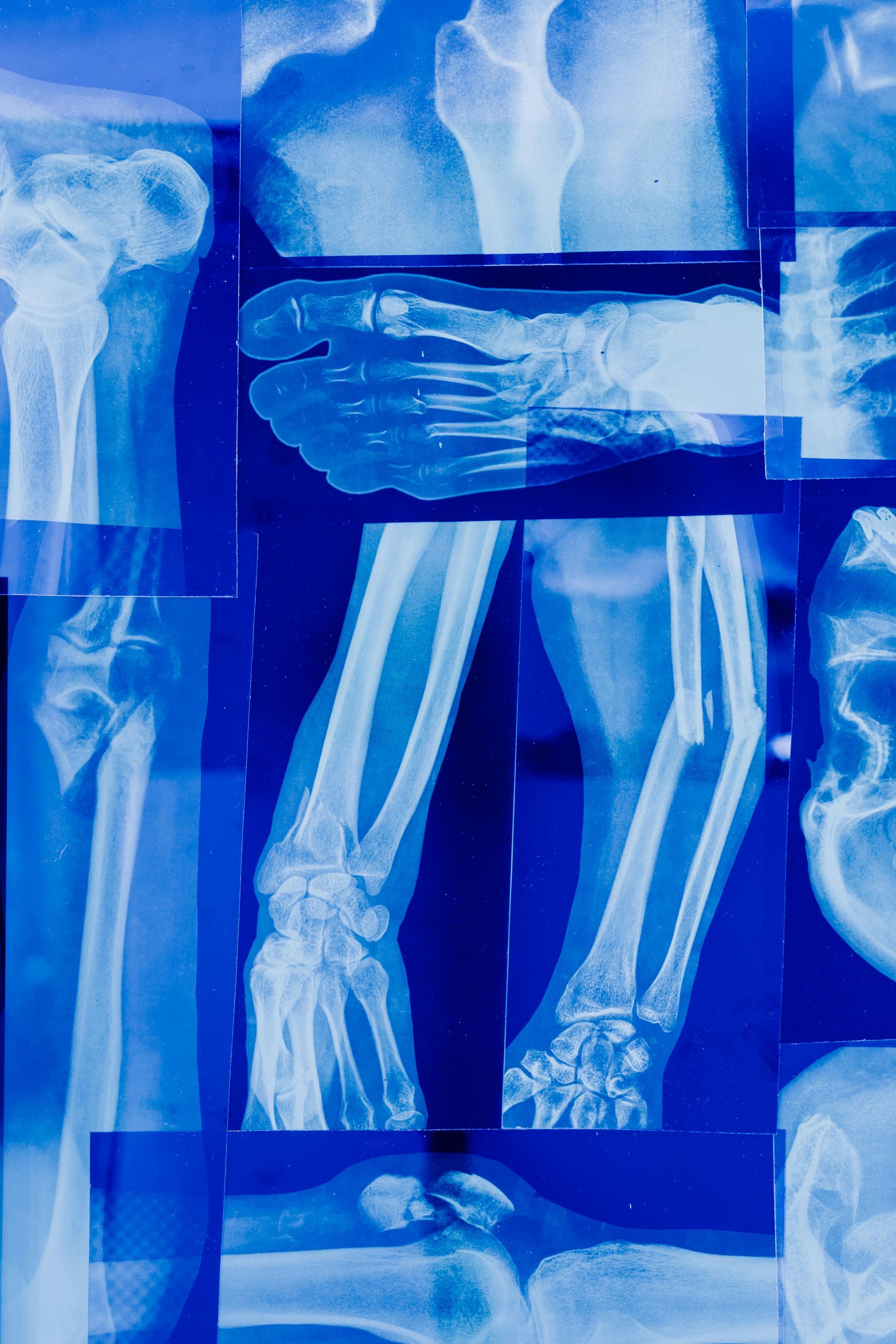
If the initial examination suggests the presence of bone spurs, imaging tests are usually the next step to confirm the diagnosis. X-rays are the most common diagnostic tool used to visualize bone spurs. They can clearly show the bony projections and help determine their size and location. In some cases, additional imaging tests like MRI (Magnetic Resonance Imaging) or CT (Computed Tomography) scans may be recommended. These advanced imaging techniques provide more detailed images of the soft tissues and bones, helping to assess the extent of the spurs and any associated damage.
In certain situations, a doctor may also recommend blood tests to rule out other conditions that could be causing similar symptoms, such as rheumatoid arthritis or gout. Once the diagnosis is confirmed, the healthcare provider will discuss the available treatment options, including both natural and medical approaches, to help manage the condition effectively.
Natural Healing Options for Bone Spurs
While bone spurs do not "heal" in the traditional sense, as they are bony growths that cannot be reabsorbed by the body, there are natural methods to manage symptoms and improve joint function. One of the primary approaches to natural healing involves reducing inflammation, which can alleviate pain and improve mobility.
Diet plays a crucial role in managing inflammation. Consuming a diet rich in anti-inflammatory foods can help reduce the body's inflammatory response. Foods high in omega-3 fatty acids, such as fatty fish, flaxseeds, and walnuts, are known for their anti-inflammatory properties. Additionally, incorporating plenty of fruits and vegetables, particularly those high in antioxidants like berries, leafy greens, and bell peppers, can help combat inflammation. Avoiding processed foods, sugary snacks, and excessive alcohol consumption is equally important, as these can exacerbate inflammation.
Herbal supplements and natural remedies can also be beneficial in managing bone spur symptoms. Turmeric, known for its active compound curcumin, has potent anti-inflammatory and pain-relieving properties. Ginger, another well-known anti-inflammatory herb, can be consumed as a tea or taken in supplement form. Additionally, glucosamine and chondroitin supplements are often recommended to support joint health and reduce pain associated with bone spurs. Always consult with a healthcare provider before starting any new supplement regimen to ensure it is safe and appropriate for your specific condition.
Lifestyle Changes to Manage Bone Spurs
Adopting specific lifestyle changes can significantly impact the management of bone spurs and improve overall joint health. Maintaining a healthy weight is one of the most critical factors, as excess weight places additional stress on the joints, exacerbating pain and discomfort. Engaging in regular physical activity helps to keep the joints flexible and strengthens the muscles surrounding them, providing better support and reducing the strain on the affected areas.
Low-impact exercises are particularly beneficial for individuals with bone spurs. Activities such as swimming, cycling, and walking are gentle on the joints while still promoting cardiovascular health and muscle strength. Incorporating stretching exercises and flexibility routines, such as yoga or Pilates, can also improve joint mobility and reduce stiffness. It is essential to start slowly and gradually increase the intensity and duration of exercise to avoid overloading the joints.
Proper footwear is another crucial aspect of managing bone spurs. Wearing shoes that provide adequate support and cushioning can help reduce the impact on the joints, particularly in the feet and knees. Orthotic inserts or custom-made orthopedic shoes may be recommended for individuals with specific foot or gait issues. Additionally, avoiding high heels and shoes with poor arch support can prevent further stress on the joints and alleviate discomfort.
Alternative Therapies for Bone Spurs
In addition to lifestyle changes and natural remedies, several alternative therapies can help manage the symptoms of bone spurs. Acupuncture, a traditional Chinese medicine practice, involves the insertion of thin needles into specific points on the body to stimulate healing and reduce pain. Many individuals with bone spurs have reported significant pain relief and improved mobility following acupuncture treatments. It is essential to seek treatment from a licensed and experienced acupuncturist to ensure safety and effectiveness.
Chiropractic care is another alternative therapy that can benefit individuals with bone spurs, particularly those affecting the spine. Chiropractors use hands-on spinal manipulation and other techniques to improve joint function, reduce pain, and enhance the body's natural healing abilities. Regular chiropractic adjustments can help alleviate pressure on the affected joints and improve overall spinal health.
Physical therapy is a crucial component of managing bone spurs. Physical therapists work with patients to develop personalized exercise programs that focus on strengthening the muscles around the affected joints, improving flexibility, and reducing pain. They may also use modalities such as ultrasound therapy, electrical stimulation, and heat or cold therapy to alleviate symptoms and promote healing. Consistent physical therapy can lead to significant improvements in joint function and quality of life.
When to Consider Medical Intervention
While natural and alternative therapies can be effective in managing bone spur symptoms, there are situations where medical intervention may be necessary. If conservative treatments fail to provide adequate relief, or if the bone spurs are causing severe pain and significantly impacting daily activities, it may be time to consider more aggressive treatment options.
Corticosteroid injections are a common medical intervention for managing bone spur pain. These injections deliver powerful anti-inflammatory medication directly into the affected joint, providing rapid and significant pain relief. However, they are not a long-term solution and are typically used to manage acute flare-ups or severe symptoms. Repeated injections can have adverse effects on the joint, so their use is generally limited.
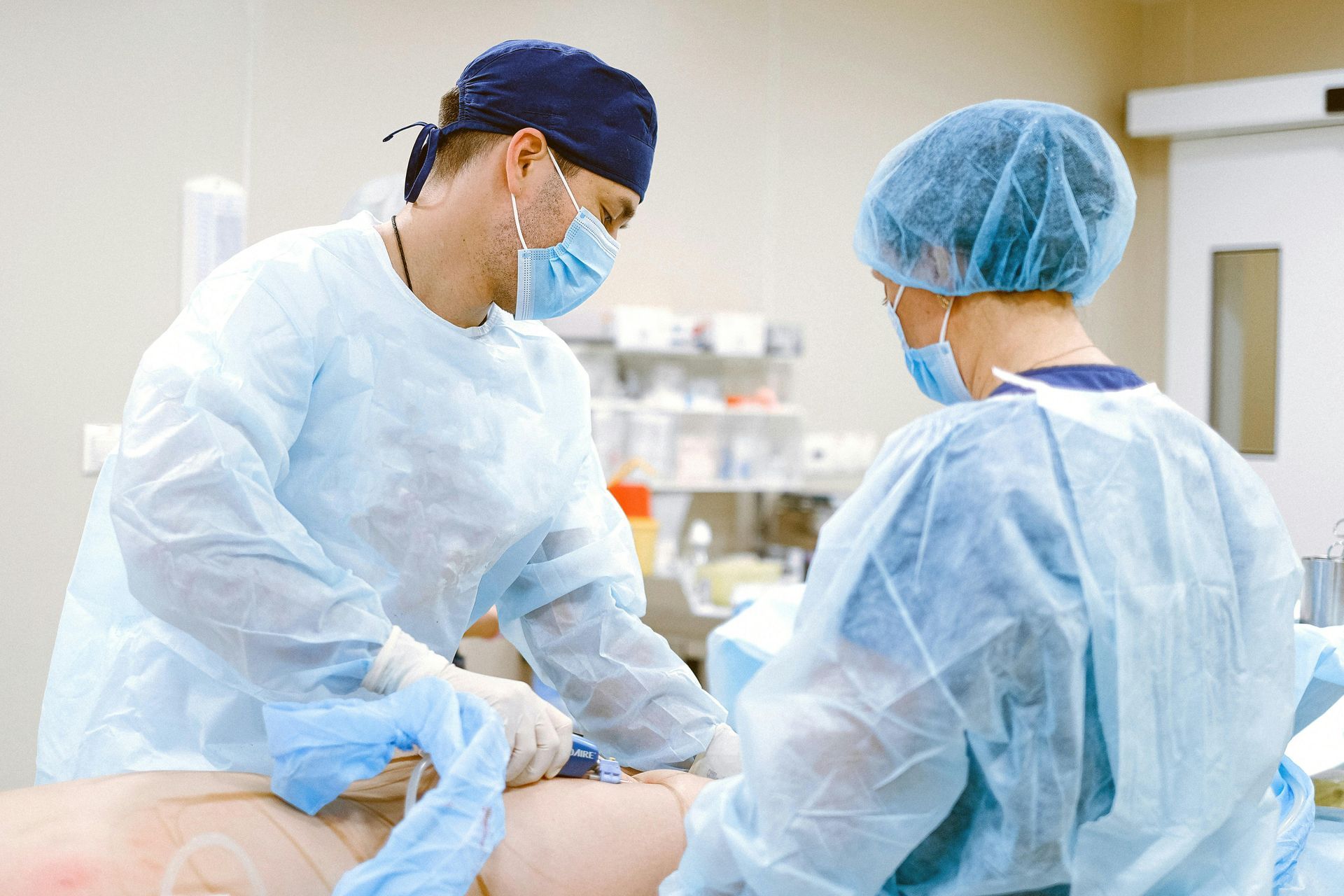
In cases where bone spurs are causing significant joint damage or impinging on nerves, surgical intervention may be necessary. Several surgical options are available, depending on the location and severity of the bone spurs. Arthroscopic surgery is a minimally invasive procedure that involves inserting a small camera and surgical instruments into the joint to remove the bone spurs and repair any damaged tissue. In more severe cases, open surgery may be required to remove larger bone spurs or to perform joint replacement surgery.
It is essential to discuss all available treatment options with a healthcare provider to determine the best course of action based on the individual's specific condition and overall health. Medical intervention should be considered when conservative treatments fail to provide relief or when the bone spurs significantly impact the quality of life.
Preventing Bone Spurs: Tips for Joint Health
Preventing bone spurs involves maintaining overall joint health and taking proactive measures to reduce the risk of developing these bony growths. One of the most effective ways to prevent bone spurs is to maintain a healthy weight. Excess body weight places additional stress on the joints, increasing the risk of joint degeneration and the formation of bone spurs. Adopting a balanced diet and engaging in regular physical activity can help achieve and maintain a healthy weight.
Strengthening the muscles around the joints is another crucial aspect of preventing bone spurs. Strong muscles provide better support and stability to the joints, reducing the risk of injury and wear and tear. Incorporating strength training exercises into your fitness routine can help build and maintain muscle mass, which is essential for joint health. Additionally, engaging in regular flexibility and stretching exercises can improve joint mobility and reduce stiffness, further protecting the joints from damage.
Proper joint care is also essential in preventing bone spurs. Avoiding repetitive movements that place excessive strain on the joints can help reduce the risk of joint degeneration. Using ergonomic tools and techniques in the workplace, practicing good posture, and taking regular breaks to move and stretch can all contribute to joint health. Additionally, wearing appropriate footwear and using orthotic inserts if necessary can help reduce the impact on the joints, particularly in the feet and knees.
Conclusion: Finding the Right Approach to Healing Bone Spurs
Bone spurs can be a painful and frustrating condition, but understanding your options for relief and recovery can help you manage the symptoms and improve your quality of life. While bone spurs cannot heal naturally in the traditional sense, there are several natural and alternative therapies available to manage the symptoms and promote joint health. Adopting specific lifestyle changes, such as maintaining a healthy weight, engaging in regular physical activity, and consuming an anti-inflammatory diet, can significantly impact the management of bone spurs.
Alternative therapies, such as acupuncture, chiropractic care, and physical therapy, can also provide significant pain relief and improve joint function. However, it is essential to consult with healthcare professionals to determine the best course of action based on your specific condition and overall health. In some cases, medical intervention may be necessary to manage severe symptoms or address significant joint damage.
Preventing bone spurs involves maintaining overall joint health and taking proactive measures to reduce the risk of developing these bony growths. By adopting a holistic approach that includes natural remedies, lifestyle changes, and alternative therapies, you can effectively manage bone spurs and improve your overall joint health. Finding the right approach to healing bone spurs requires a combination of methods tailored to your individual needs and circumstances, ensuring the best possible outcome for your joint health and quality of life.