Can Bone Spurs Heal Naturally? Myths, Facts, and Insights
Understanding Bone Spurs: Definition and Causes
What Are Bone Spurs?
Bone spurs, medically known as osteophytes, are bony projections that develop along the edges of bones. They often occur in joints, where two or more bones meet, and may be a result of conditions such as arthritis or chronic inflammation. While many people may have bone spurs without experiencing any symptoms, they can sometimes lead to pain and discomfort, especially if they press against nearby nerves or tissues.
Causes of Bone Spurs
- Osteoarthritis: This degenerative joint disease is one of the most common causes of bone spur formation. As the cartilage cushioning the joints wears away, the body may respond by developing bone spurs in an attempt to stabilize the joint.
- Joint Injuries: Previous injuries to a joint, such as fractures or dislocations, can lead to the development of bone spurs over time. The body’s repair mechanisms may inadvertently result in excess bone growth.
- Repetitive Stress: Certain occupations or activities that involve repetitive motions can place stress on joints, leading to bone spur formation. This is commonly seen in athletes or individuals involved in manual labor.
- Posture and Alignment Issues: Poor posture or structural misalignments can create uneven pressure on joints, contributing to the development of bone spurs.
- Aging: As we age, the likelihood of developing bone spurs increases. The natural wear and tear on the joints, along with diminished cartilage, can result in bone spur formation.
- Genetics: Some individuals may have a genetic predisposition that makes them more susceptible to conditions leading to bone spurs.
Understanding the causes and implications of bone spurs is essential for managing symptoms effectively. At the Florida Medical Orthopedic & Spine Institute, our experienced team is dedicated to providing comprehensive evaluations and personalized treatment options, whether surgical or nonsurgical, to help you regain your quality of life. If you suspect you have bone spurs or are experiencing joint pain, don’t hesitate to reach out for an assessment.
Common Symptoms and Diagnosis of Bone Spurs
Bone spurs, also known as osteophytes, are bony growths that develop on the edges of bones, often in areas where bones meet at a joint. While they can occur without causing any symptoms, they may lead to pain and discomfort when they press against nearby tissues. Understanding the symptoms and how bone spurs are diagnosed is crucial for effective pain management.
Common Symptoms of Bone Spurs:
- Pain and Discomfort: The most evident symptom of bone spurs is localized pain, especially around the affected joint. This may worsen with movement or pressure.
- Stiffness: Joint stiffness is common, particularly in the morning or after periods of inactivity. This can restrict range of motion and impact daily activities.
- Swelling and Inflammation: In some cases, inflammation around the spur can lead to swelling in the affected area, contributing to discomfort.
- Numbness or Tingling: When bone spurs compress nearby nerves, they can cause sensations of tingling or numbness, often radiating into the arms or legs.
- Reduced Range of Motion: Bone spurs can limit how far you can move a joint, making it difficult to perform certain tasks.
Diagnosis of Bone Spurs:
At Florida Medical Orthopedic & Spine Institute, our experienced physicians follow a comprehensive approach to diagnosing bone spurs.
- Medical History: The process begins with a detailed review of your medical history and a discussion about your symptoms. This helps in understanding any underlying conditions that may contribute to spur formation.
- Physical Examination: Physicians will perform a physical examination to assess pain levels, range of motion, and overall joint function.
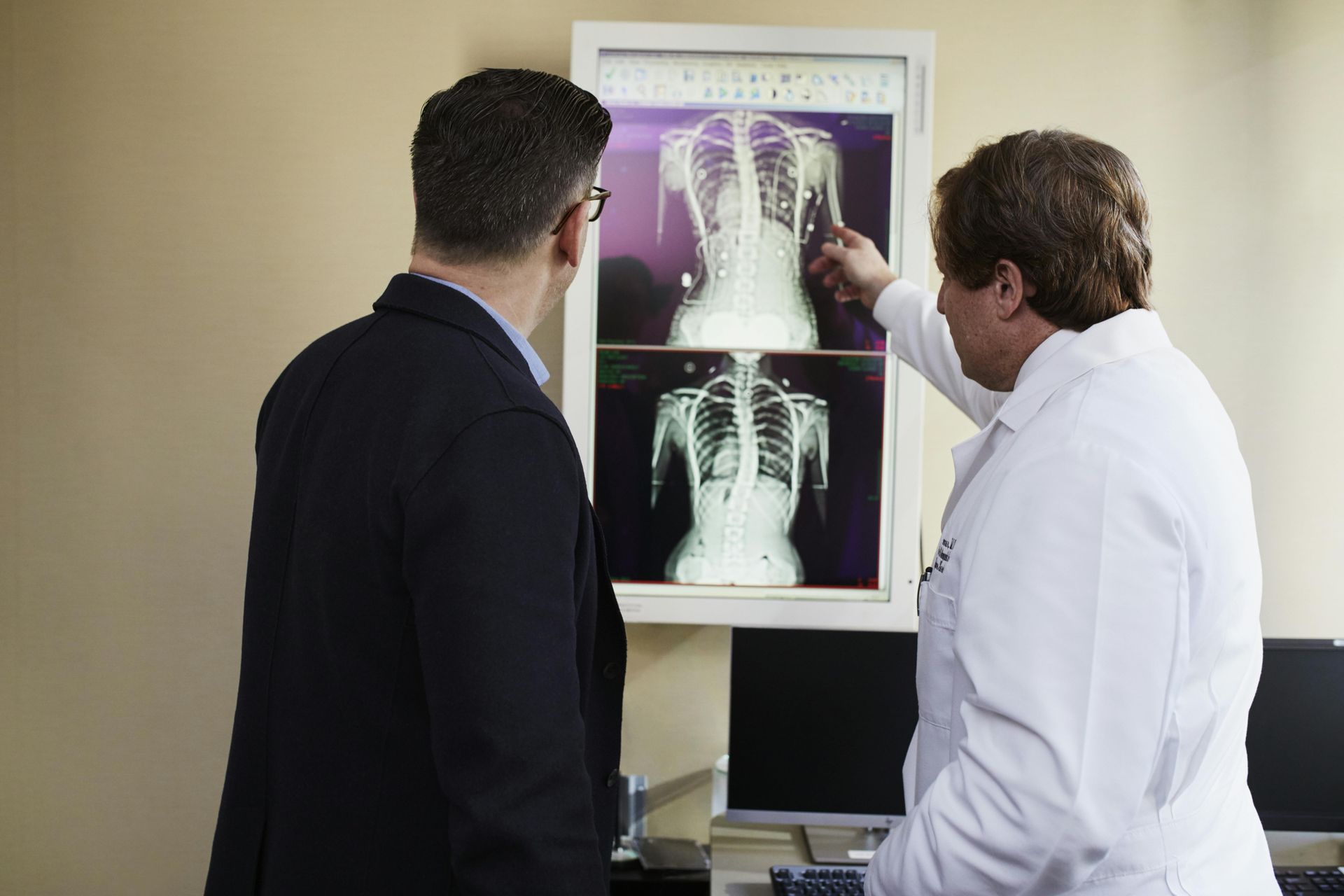
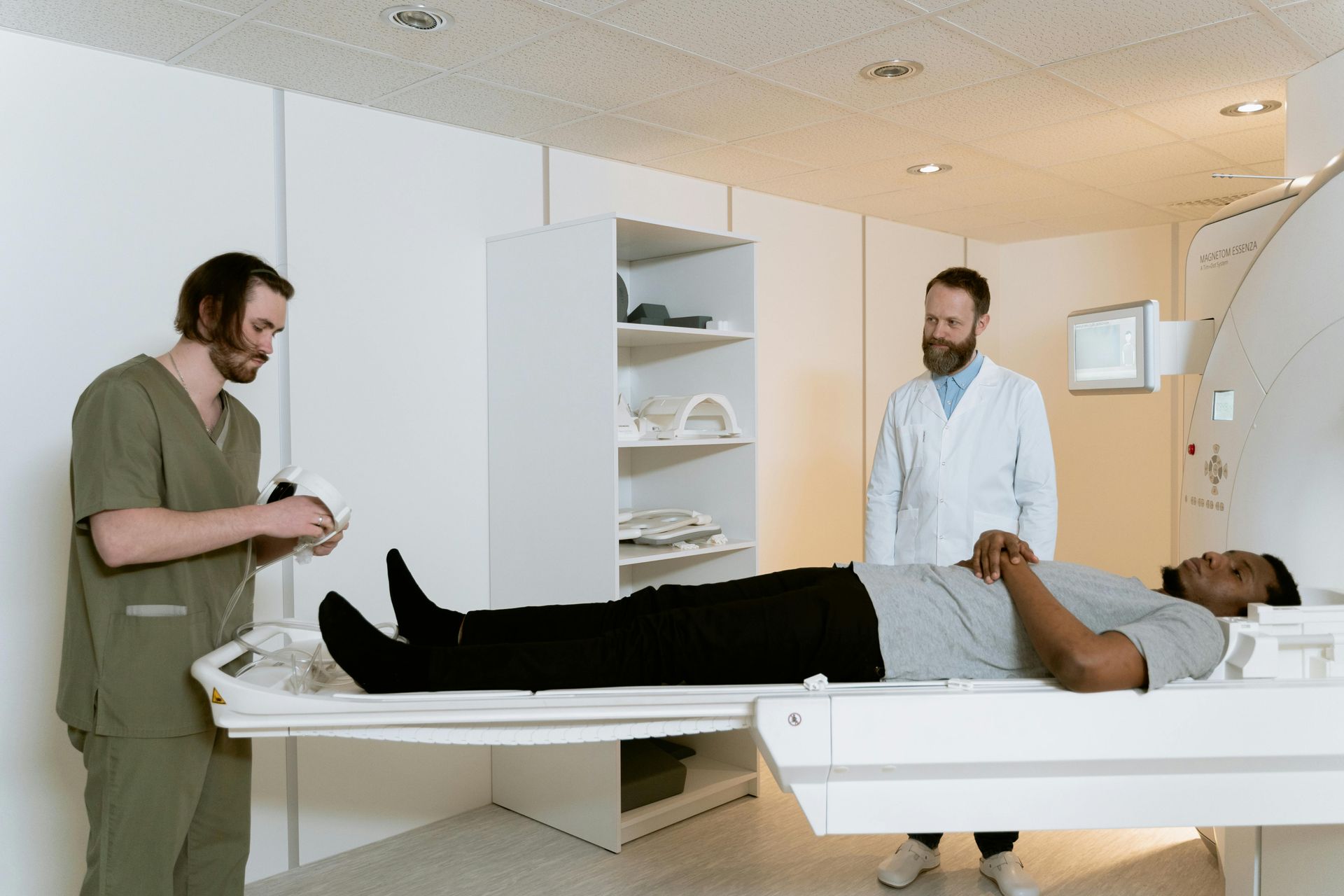
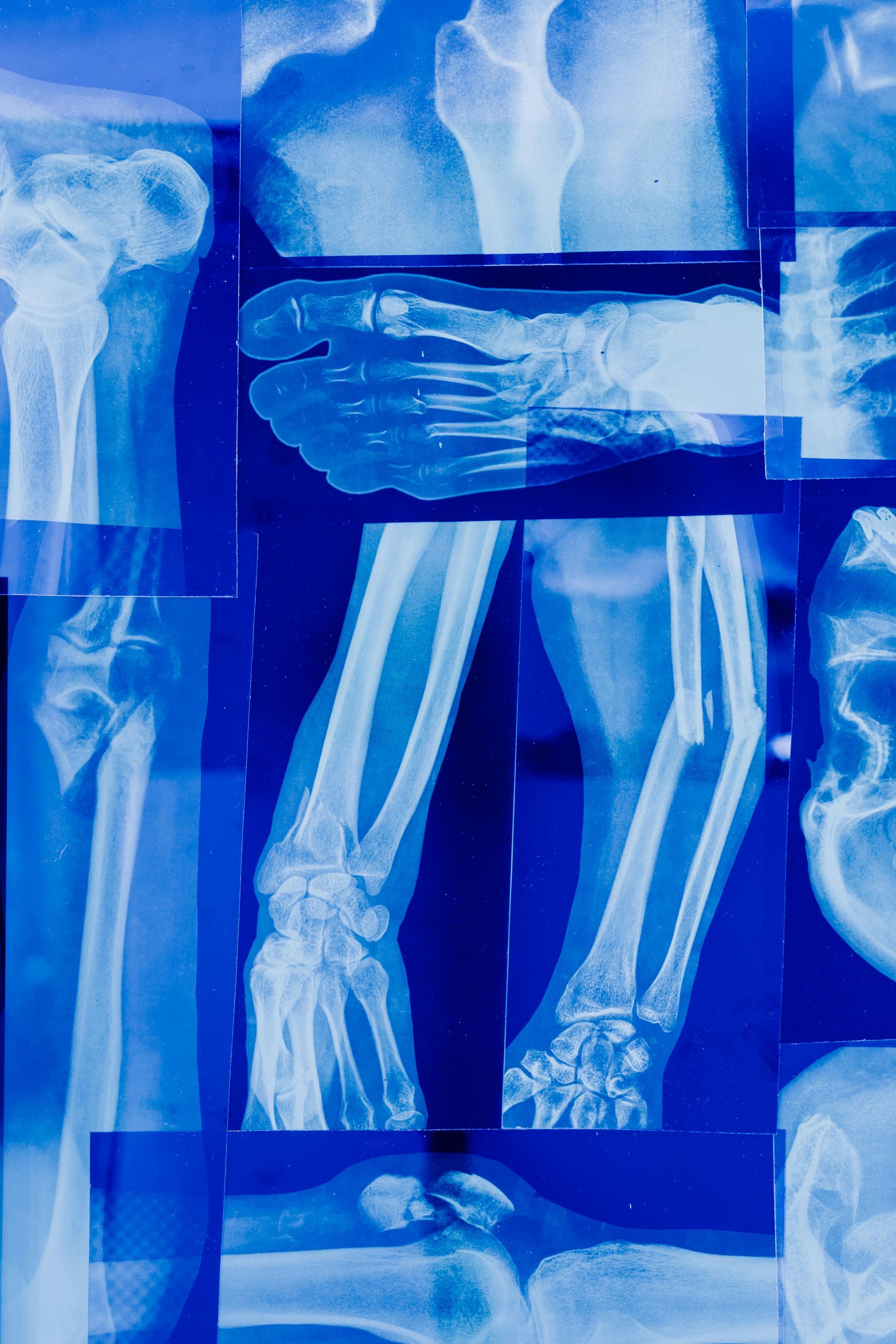
- Imaging Tests: X-rays are typically used to confirm the presence of bone spurs and assess their size and location. In some cases, MRI or CT scans may be recommended for a more detailed view.
- Additional Tests: Depending on the situation, blood tests or nerve conduction studies may be required to rule out other related conditions.
Understanding the symptoms and obtaining a proper diagnosis is essential for effective treatment and pain management. If you're experiencing any signs of bone spurs, our compassionate team at Florida Medical Orthopedic & Spine Institute is here to help you explore both surgical and nonsurgical treatment options tailored to your needs. Contact us today to schedule a consultation.
Myths About Bone Spurs and Natural Healing
At Florida Medical Orthopedic & Spine Institute, we understand that misconceptions about bone spurs can lead to confusion and frustration. As a leading provider of pain management solutions, we aim to clarify some common myths surrounding bone spurs and the concept of natural healing.
Myth 1: Bone Spurs Are Always Painful
Many people believe that the presence of bone spurs automatically results in pain. However, bone spurs, also known as osteophytes, can exist without causing any discomfort. These bony projections often develop in response to pressure, friction, or stress on the joints, and while they can be associated with conditions like arthritis, they don’t always cause symptoms.
Myth 2: Surgery Is the Only Solution
Another prevalent myth is that surgery is the only effective treatment for bone spurs. While surgical intervention may be necessary in severe cases where conservative treatments fail, many patients find relief through nonsurgical methods. Physical therapy, pain management techniques, and lifestyle modifications can play significant roles in managing symptoms effectively.
Myth 3: Natural Remedies Can Completely Cure Bone Spurs
While some natural remedies, such as dietary changes, supplements, and specific exercises, may alleviate discomfort and improve overall joint health, it’s important to note that they cannot eliminate bone spurs. A holistic approach, incorporating both natural and medical treatments, can provide the best outcome for managing symptoms.
Myth 4: All Bone Spurs Require Treatment
Not all bone spurs require treatment, as they don’t always cause symptoms or problems. A physician should evaluate the condition to determine if intervention is necessary, helping to avoid unnecessary procedures and focus on effective pain management strategies.
Myth 5: Once You Have Bone Spurs, They’re Permanent
While bone spurs can be a chronic condition, their impact can be managed effectively over time. With proper care, including physical therapy and targeted exercises, many patients can experience significant improvements in their symptoms and overall quality of life.
Conclusion
Understanding the facts about bone spurs is crucial for effective pain management and treatment planning. At Florida Medical Orthopedic & Spine Institute, our compassionate team of physicians is dedicated to providing comprehensive evaluations and personalized treatment options to address your musculoskeletal concerns. If you have questions or need guidance regarding bone spurs and their management, don’t hesitate to reach out to us. We’re here to help you on your journey to better health.
Understanding Bone Spurs Healing: Insights from Science
At Florida Medical Orthopedic & Spine Institute, we are dedicated to providing you with comprehensive information about musculoskeletal conditions, including bone spurs. These bony projections can develop on the edges of bones and often form in response to joint damage or inflammation. Understanding their healing process can be crucial for effective management and recovery.
What Are Bone Spurs?
Bone spurs, or osteophytes, are small, bony growths that can occur on various bones, most commonly around joints such as the spine, hips, and knees. They are often the result of wear and tear on the joints, usually associated with conditions like osteoarthritis.
Healing Process of Bone Spurs
- Body’s Response: The formation of bone spurs is typically a response to stress or irritation in the surrounding tissues. While bone spurs themselves may not heal in the traditional sense, the body can manage symptoms effectively through various means.
- Nonsurgical Treatments: Many cases of bone spurs can be managed with nonsurgical treatments, which might include physical therapy, medications for pain relief, and corticosteroid injections to reduce inflammation. These approaches can help alleviate discomfort and improve function.
- Rest and Activity Modification: Resting the affected area and modifying activities can significantly aid healing. By reducing strain on the joints, you allow the surrounding tissues to heal, which might in turn reduce the irritation causing the bone spur.
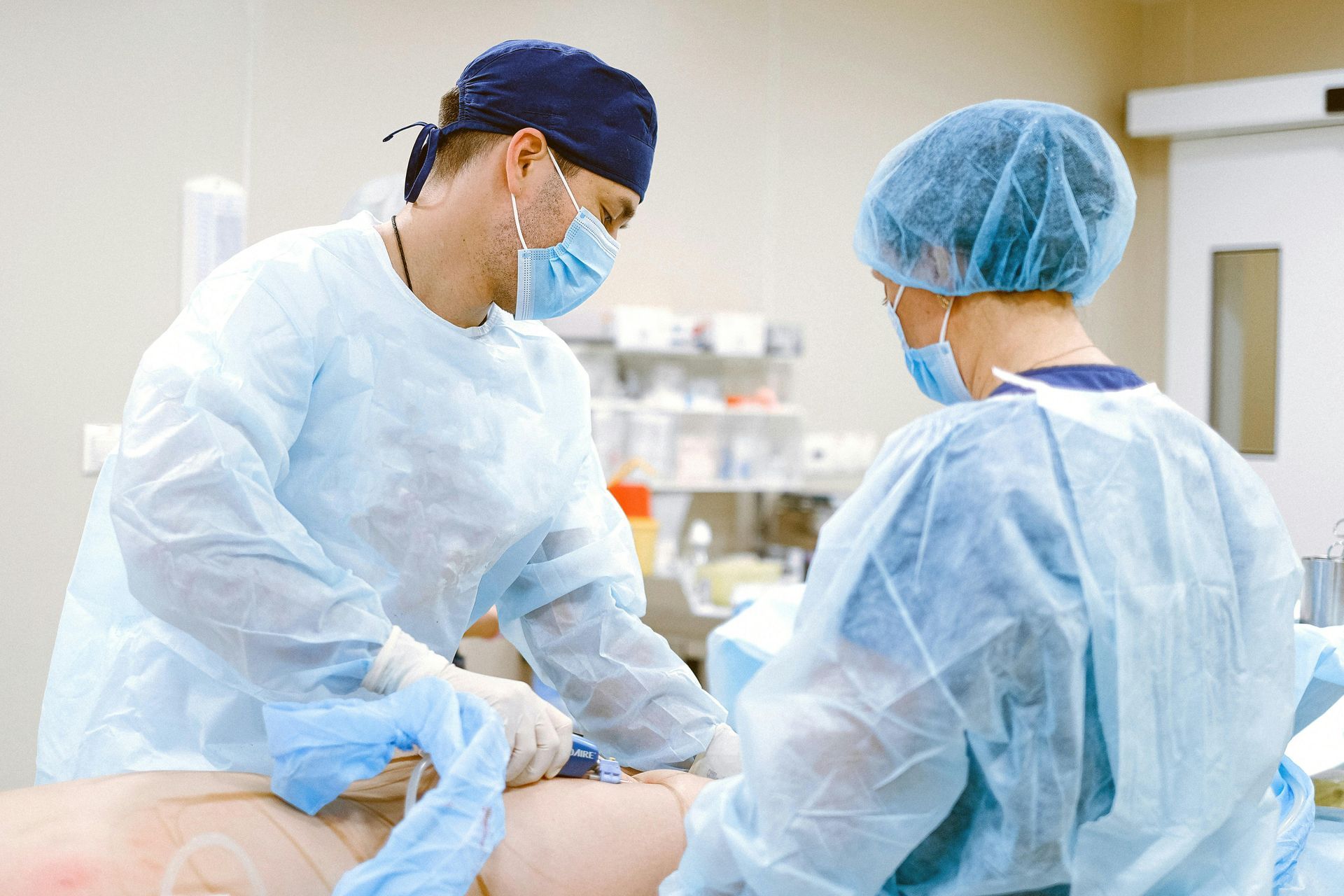
- Surgical Options: In cases where bone spurs lead to severe pain or hinder movement, surgical intervention may be necessary. Procedures can involve removing the bone spur or addressing the underlying joint issue to restore function and relieve pain.
- Time and Patience: Healing from the symptoms associated with bone spurs can take time. Regular follow-ups with your physician are vital to monitor progress and adjust treatment plans as needed.
Conclusion
While bone spurs themselves may not disappear entirely, they can often be managed effectively to minimize discomfort and improve mobility. At Florida Medical Orthopedic & Spine Institute, our team of experienced physicians is here to guide you through understanding your condition and developing a tailored treatment plan. If you're experiencing pain related to bone spurs, don’t hesitate to reach out for expert advice and compassionate care. Your journey to recovery is our priority.
Natural Remedies for Bone Spurs: Do They Work?
Bone spurs, also known as osteophytes, are bony projections that develop along the edges of bones, often in response to joint damage or arthritis. While they can occur in any joint, they are most commonly found in the spine, shoulders, hands, hips, and knees. If you’re seeking relief, you may have come across various natural remedies. But do they truly work?
Anti-Inflammatory Diet
One of the simplest approaches is to adopt an anti-inflammatory diet. Foods rich in omega-3 fatty acids, like salmon and walnuts, as well as fruits and vegetables, can help reduce inflammation in the body. Avoiding processed foods, sugars, and excessive carbohydrates may also alleviate symptoms.
Herbal Supplements
Certain supplements, such as turmeric and ginger, are praised for their anti-inflammatory properties. Curcumin, the active compound in turmeric, has shown promise in studies for reducing pain and inflammation. Always consult with a healthcare professional before starting any new supplement to ensure it’s safe for you.
Physical Therapy
Engaging in gentle stretching and strengthening exercises can improve joint function and decrease pain associated with bone spurs. Working with a physical therapist can help you develop an individualized program suited to your needs.
Hot and Cold Therapy
Using heat can help relax tense muscles and improve blood flow, while cold packs can reduce swelling and numbing pain. Alternating between hot and cold treatments may provide temporary relief from discomfort associated with bone spurs.
Weight Management
Excess weight can put additional strain on your joints, worsening the symptoms of bone spurs. Maintaining a healthy weight through diet and exercise can alleviate pressure and improve overall joint health.
Acupuncture
Some individuals find relief from pain through acupuncture, which involves inserting thin needles into specific points on the body. While research is mixed, many report reduced pain and improved function after treatments.
Conclusion
While these natural remedies offer potential for relief from the discomfort associated with bone spurs, it’s essential to remember that they may not work for everyone. If your symptoms persist or worsen, it’s crucial to consult with a healthcare professional, like those at Florida Medical Orthopedic & Spine Institute. Our experienced team is dedicated to providing compassionate care through both surgical and nonsurgical treatment options tailored to your specific condition.
Remember, while natural remedies can complement traditional treatments, they should not replace professional medical advice. Stay informed and proactive in managing your bone spur symptoms.
The Role of Diet and Nutrition in Bone Health
At Florida Medical Orthopedic & Spine Institute, we understand that overall bone health is essential for effective pain management and enhanced quality of life. While medical treatments play a significant role in addressing musculoskeletal conditions, diet and nutrition are equally critical in maintaining and improving bone density and strength.
Key Nutrients for Bone Health
- Calcium: As a primary component of bone tissue, calcium is vital for maintaining bone density. Adults typically need about 1,000 mg of calcium daily, which can be sourced from dairy products, leafy green vegetables, fortified foods, and certain fish like sardines.
- Vitamin D: This nutrient aids in calcium absorption and bone remodeling. Sunlight exposure is a natural source, but dietary sources like fatty fish, egg yolks, and fortified foods can help meet your daily requirements. A supplementation may be necessary for those with limited sun exposure.
- Vitamin K: Important for bone metabolism, vitamin K helps in bone protein formation. You can find it in green vegetables such as spinach, kale, and broccoli.
- Magnesium: This mineral contributes to the structural development of bones and aids in the conversion of vitamin D into its active form. Nuts, seeds, whole grains, and legumes are excellent sources of magnesium.
- Phosphorus: Working closely with calcium, phosphorus is essential for bone health. Most people get enough phosphorus through their diet, as it is abundant in protein-rich foods like meat, beans, and dairy.
The Impact of Lifestyle Choices
- Hydration: Adequate hydration is crucial for overall health, including bone health. Water helps transport nutrients to bones and assists in the removal of waste products.
- Exercise: Regular weight-bearing and resistance exercises strengthen bones. Engaging in physical activity not only promotes bone health but also improves muscle strength, balance, and coordination, which can prevent falls and related injuries.
- Avoiding Excessive Alcohol and Tobacco: High alcohol consumption and smoking can weaken bones. Reducing these habits can significantly improve your bone health.
Conclusion
A balanced diet rich in essential vitamins and minerals, combined with a healthy lifestyle, is vital for maintaining strong bones and managing pain associated with musculoskeletal conditions. At Florida Medical Orthopedic & Spine Institute, our experienced team is dedicated to providing you with comprehensive treatment plans that consider all aspects of your health, including diet and nutrition. If you have concerns about your bone health or how to improve it through nutrition, please reach out to us for tailored advice and support.
When to Seek Medical Treatment for Bone Spurs
Bone spurs, also known as osteophytes, are bony projections that develop along the edges of bones, often in joints. While they can occur as a natural part of aging or due to conditions such as osteoarthritis, it's important to recognize when medical treatment may be necessary. At Florida Medical Orthopedic & Spine Institute, our dedicated team of experienced physicians is here to help you navigate these conditions and determine the best course of action.
Here are some signs that you should seek medical treatment for bone spurs:
- Persistent Pain: If you experience ongoing pain in the area where bone spurs may be present, especially if it interferes with daily activities, it’s time to consult a physician. Pain that worsens over time can indicate the need for further evaluation and treatment.
- Limited Mobility: Bone spurs can restrict movement in the affected joint. If you notice a decrease in your range of motion or difficulty performing normal activities, medical intervention may be required to prevent further issues.
- Nerve Compression Symptoms: If bone spurs press on nearby nerves, you may experience symptoms such as numbness, tingling, or weakness in your limbs. These sensations can be concerning and warrant immediate attention from a healthcare professional.
- Swelling and Inflammation: An increase in swelling or inflammation around your joints can be a sign that the body is reacting to bone spurs. Persistent swelling may require treatment to alleviate discomfort and restore function.
- Changes in Gait or Posture: When bone spurs develop, they can sometimes influence your walking pattern or posture. If you find yourself adjusting your gait or experiencing changes in your stance, it’s crucial to get a professional assessment.
- Failure of Home Treatments: If you've tried conservative measures such as rest, ice, over-the-counter pain relievers, or physical therapy without improvement, it’s essential to seek medical advice. Our specialists can provide more targeted treatments tailored to your specific condition.
At Florida Medical Orthopedic & Spine Institute, we understand that bone spurs can significantly impact your quality of life. Our compassionate team is dedicated to providing both surgical and nonsurgical treatment options to address your needs. Don't hesitate to reach out for an appointment if you’re experiencing any of these symptoms. Your health and well-being are our top priorities.
Preventive Measures to Avoid Bone Spurs
At Florida Medical Orthopedic & Spine Institute, we understand the discomfort bone spurs can cause and are committed to helping you maintain a healthy musculoskeletal system. Bone spurs are bony projections that develop along the edges of bones, often in response to joint damage or inflammation. While they can be a natural part of aging, there are proactive steps you can take to reduce the risk of developing bone spurs.
Maintain a Healthy Weight
Excess body weight puts additional stress on your joints, particularly in the lower back, hips, and knees. Maintaining a healthy weight through a balanced diet and regular exercise can reduce the risk of joint pain and the development of bone spurs.
Stay Active
Regular physical activity strengthens muscles around the joints and improves flexibility. Focus on low-impact exercises, such as swimming, walking, or cycling, which can help maintain joint health without overstraining them.
Strengthen Your Muscles
Incorporating strength-training exercises into your routine can provide support to your joints, reducing the likelihood of injury and wear. Focus on exercises that target the core, legs, and back to provide comprehensive support.
Practice Good Posture
Maintaining proper posture during daily activities can prevent undue stress on your spine and joints. Be mindful of your posture when sitting, standing, and lifting objects.
Invest in Proper Footwear
Wearing supportive shoes can help promote proper alignment and reduce stress on your joints. Avoid high heels and shoes with poor arch support, which can contribute to joint problems.
Stay Hydrated
Proper hydration is essential for joint lubrication. Drinking enough water throughout the day can help keep your joints healthy and functioning optimally.
Get Regular Check-Ups
Routine visits to your healthcare provider can help identify early signs of joint issues before they become more serious. Early intervention may prevent the development of bone spurs.
Manage Chronic Conditions
If you have conditions such as arthritis, diabetes, or osteoporosis, work closely with your physician to manage them effectively. Proper management can reduce the risk of complications that may lead to bone spur formation.
By taking these preventive measures, you can support your joint health and reduce the likelihood of developing bone spurs. At Florida Medical Orthopedic & Spine Institute, our experienced team is here to guide you on your journey to optimal musculoskeletal health. If you have any questions or concerns about joint health, don’t hesitate to reach out to us.
Conclusion: Embracing a Holistic Approach to Bone Health
At Florida Medical Orthopedic & Spine Institute, we understand that maintaining optimal bone health is crucial not only for mobility but also for overall well-being. By embracing a holistic approach, we emphasize the importance of comprehensive care that encompasses proper nutrition, regular physical activity, and preventive measures.
Our experienced and compassionate physicians work collaboratively to tailor treatment plans that address individual needs, ensuring that both surgical and nonsurgical options are considered. Whether you’re managing a chronic condition, recovering from an injury, or seeking preventative care, our team is dedicated to empowering you with knowledge and support.
By combining advanced medical techniques with lifestyle modifications, we strive to enhance your bone health and improve your quality of life. Remember, taking care of your bones is a lifelong commitment, and we are here to guide you every step of the way. Trust Florida Medical Orthopedic & Spine Institute to provide the expertise and compassionate care essential for your journey towards stronger bones and a healthier future.