MRI vs X-rays: Which Imaging Technique is Right for You?
Understanding Imaging Techniques: An Overview
Understanding imaging techniques is essential for diagnosing and treating musculoskeletal conditions effectively. At Florida Medical Orthopedic & Spine Institute, we utilize advanced imaging modalities such as X-rays, MRIs, and CT scans to gain a comprehensive view of our patients' injuries and ailments. These technologies allow our experienced team of physicians to pinpoint issues accurately, leading to personalized treatment plans that may include surgical or nonsurgical options. By combining cutting-edge diagnostics with compassionate care, we strive to enhance mobility and improve the quality of life for our patients, ensuring they receive the best possible outcomes in their pain management journey.
Contact Us Today
Have a question? Looking for treatment? We’re here to help. Send us a message and we’ll be in touch.
Understanding MRIs: A Vital Tool in Pain Management
What is an MRI?
Magnetic Resonance Imaging (MRI) is a non-invasive imaging technique that utilizes powerful magnets and radio waves to create detailed images of the body's internal structures. Unlike X-rays or CT scans, MRIs do not involve ionizing radiation, making them a safer alternative for patients.
How Does an MRI Work?
The MRI process begins with the patient lying down in a large, tube-shaped machine. The machine generates a strong magnetic field that aligns the hydrogen atoms in the body. Radiofrequency pulses are then sent through the body, causing these atoms to emit signals. A computer processes these signals to produce high-resolution images of organs, tissues, and even blood vessels.
The entire MRI procedure typically lasts between 30 minutes to an hour, depending on the area being examined. Patients often receive specific instructions to ensure the best possible images, such as lying still during the scan.
Why are MRIs Important?
- Diagnosing Conditions: MRIs are crucial in diagnosing various musculoskeletal conditions, including torn ligaments, herniated discs, and joint issues. Clearly identifying the source of pain is essential for developing an effective treatment plan.
- Guiding Treatment Options: By providing precise images, MRIs assist physicians at the Florida Medical Orthopedic & Spine Institute in determining whether surgical or nonsurgical treatments are appropriate. This leads to more informed decision-making and potentially better outcomes for patients.
- Monitoring Progress: MRIs can also be used to monitor the effectiveness of treatment plans over time, allowing healthcare providers to adjust approaches as necessary to ensure optimal recovery.
At the Florida Medical Orthopedic & Spine Institute, our experienced and compassionate team of physicians understands the pivotal role that MRIs play in effective pain management. By leveraging advanced imaging technology, we are committed to providing patient-centered care that aims for the best possible results for your musculoskeletal health.
Key Differences Between MRI and X-rays
When it comes to diagnosing musculoskeletal conditions, both MRI (Magnetic Resonance Imaging) and X-rays are valuable tools. However, they serve different purposes and have distinct characteristics. At Florida Medical Orthopedic & Spine Institute, we emphasize the importance of understanding these differences to aid in effective treatment planning.
Imaging Technique
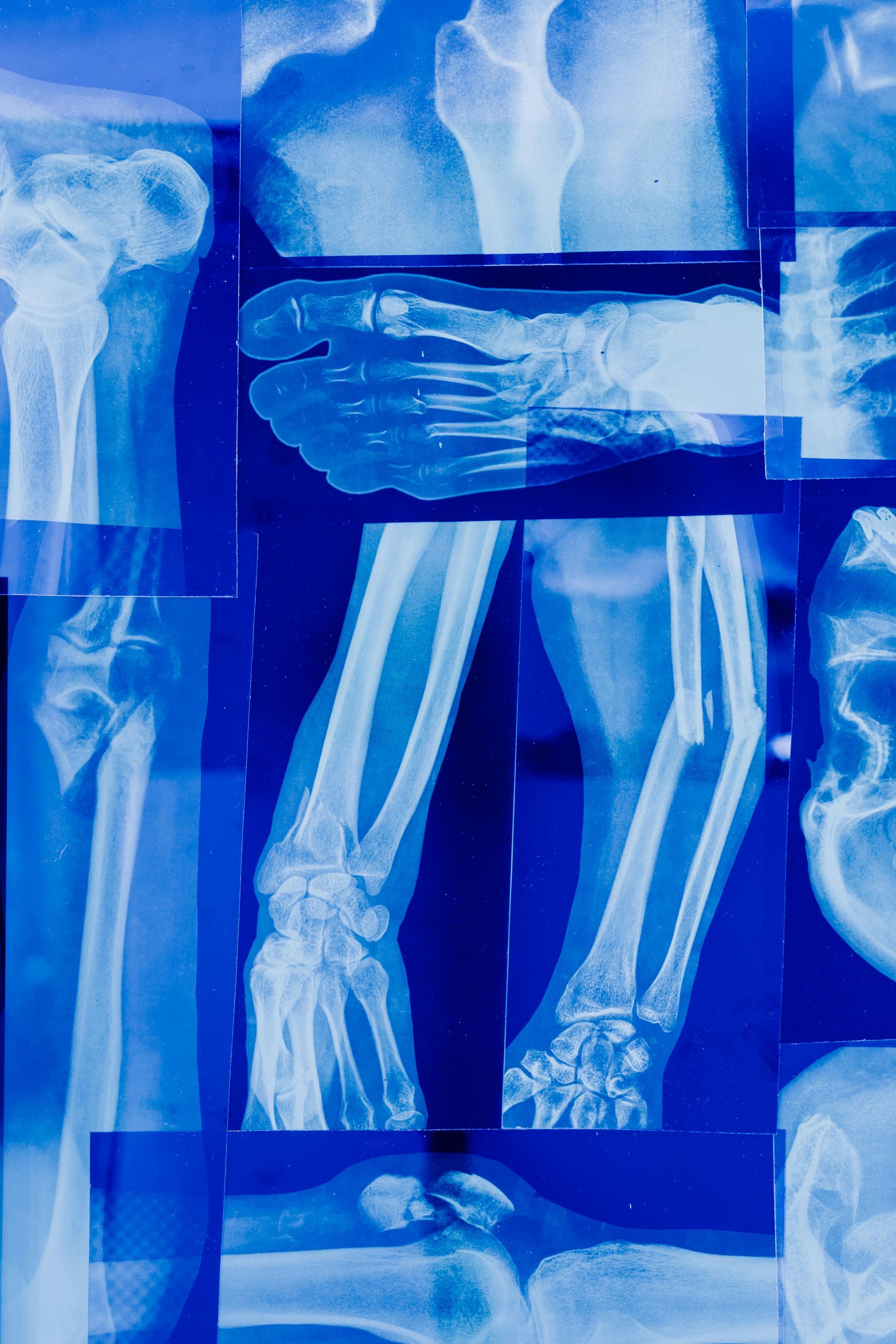
- X-rays: Employ ionizing radiation to produce images of the body's internal structures. They are primarily used to visualize bone fractures, dislocations, and certain conditions of the lungs.
- MRI: Utilizes strong magnetic fields and radio waves to generate detailed images of soft tissues, including muscles, ligaments, cartilage, and even the brain. It does not involve radiation, making it a safer option for repeated use.
Type of Tissue Imaged
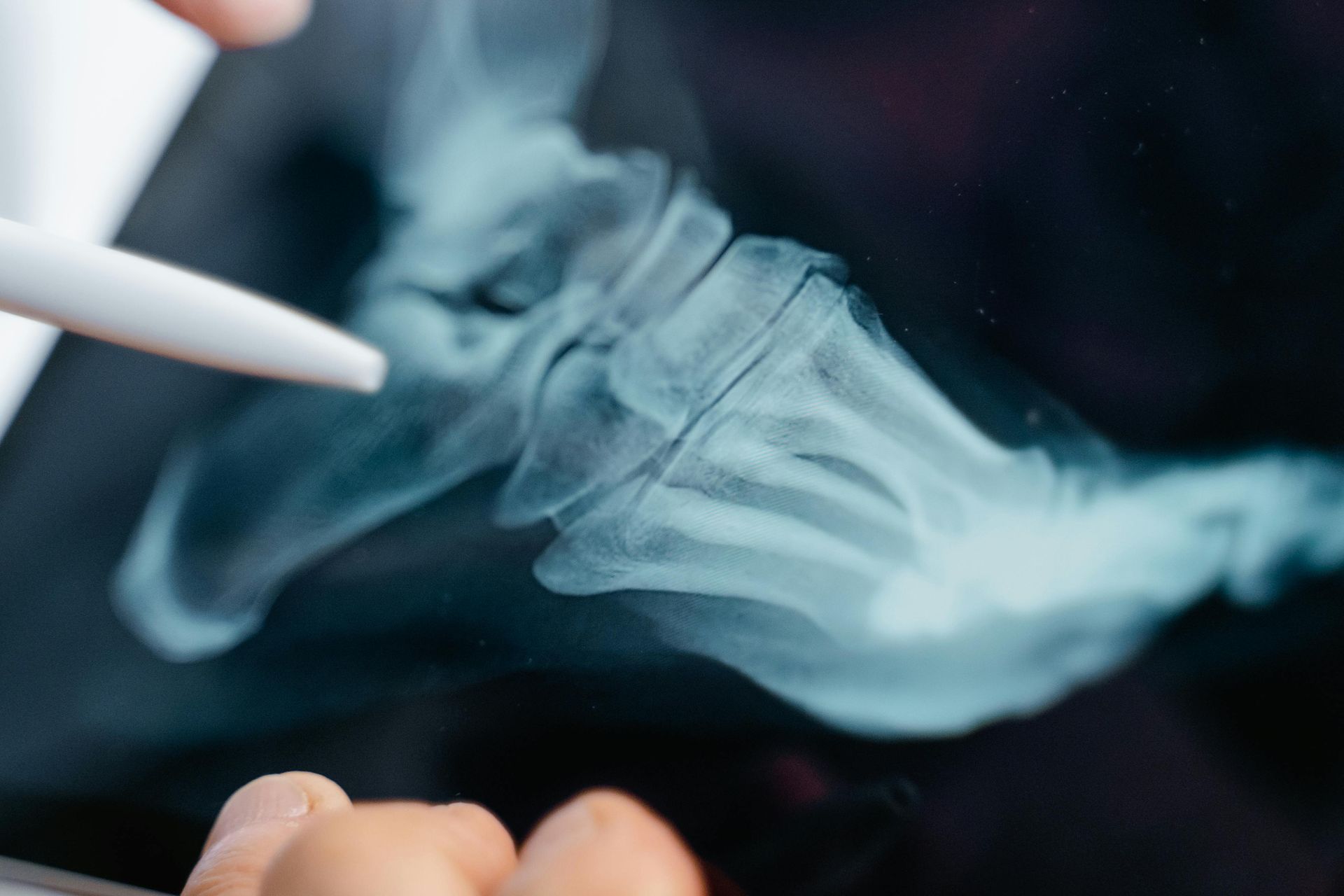
- X-rays: Best for visualizing hard tissues such as bones. They are less effective for capturing images of soft tissues and organs.
- MRI: Provides comprehensive images of both soft and hard tissues. This makes it especially useful for diagnosing conditions in joints, muscles, and nerves.
Detail and Clarity
- X-rays: Offer a basic view, which may not show all the details of complex injuries or conditions. They are often the first step in diagnosing an injury.
- MRI: Delivers high-resolution images that can reveal small tears, tumors, and other abnormalities that X-rays might miss.
Time Required for Examination
- X-rays: Typically involve a quick process, usually taking just a few minutes.
- MRI: Requires a longer time to complete—often between 30 minutes to an hour—because of the detailed imaging process.
Preparation and Experience
- X-rays: Generally require little to no preparation. Patients can typically walk in and have the procedure done without special instructions.
- MRI: May require patients to remove metal objects and, in some cases, might necessitate fasting before the procedure. Additionally, some patients may experience anxiety or discomfort in the enclosed MRI machine.
X-Rays vs MRIs
Understanding the differences between MRI and X-rays can help empower patients in their healthcare journey. At Florida Medical Orthopedic & Spine Institute, our team of experienced and compassionate physicians is dedicated to using the most appropriate imaging methods for accurate diagnoses and effective treatment of musculoskeletal conditions. If you're experiencing pain or have questions about which imaging technique is best for your situation, please contact us for more information.
Advantages of MRI Scans for Pain Management
At Florida Medical Orthopedic & Spine Institute, we understand the importance of accurate diagnostics in managing musculoskeletal pain. Magnetic Resonance Imaging (MRI) scans offer several advantages that make them an essential tool in our practice:
- High-Resolution Imaging: MRI provides detailed images of soft tissues, including muscles, ligaments, tendons, and cartilage, allowing us to assess the exact source of pain with great precision.
- Non-Invasive Procedure: Unlike other imaging techniques that may require invasive procedures, MRIs are completely non-invasive, ensuring patient comfort while delivering critical information.
- No Radiation Exposure: MRI scans do not use ionizing radiation, making them a safer option for repeated imaging, especially for patients who may require ongoing assessments.
- Early Detection of Conditions: MRI scans can help identify issues such as herniated discs, tumors, and inflammation in the early stages, enabling earlier intervention and treatment options tailored to each patient’s needs.
- Comprehensive Examination: The ability of MRI to view multiple planes of the body in great detail allows us to evaluate complex conditions that may not be visible through other imaging modalities, ensuring comprehensive care.
- Guidance for Treatment Plans: The insights gained from MRI scans are invaluable for formulating effective treatment plans, whether surgical or nonsurgical, allowing our team to target the root cause of the pain.
- Enhanced Communication: MRI images provide clear visuals that can be easily shared with patients, helping them understand their conditions and the rationale behind proposed treatments.
At Florida Medical Orthopedic & Spine Institute, we utilize MRI technology to enhance our diagnostic capabilities and improve treatment outcomes for our patients. This commitment to advanced imaging helps us provide the compassionate and effective care that our patients deserve.
Advantages of X-ray Imaging for Pain Management
At Florida Medical Orthopedic & Spine Institute, we understand that accurate diagnosis is crucial for effective pain management. X-ray imaging is a vital tool in our diagnostic arsenal, offering numerous advantages that enhance our ability to treat musculoskeletal conditions.
- Quick and Efficient: X-rays are a fast imaging technique that allows us to obtain immediate insight into the structure of bones and joints. This efficiency aids in rapid diagnosis and timely treatment, helping you get on the path to recovery sooner.
- Cost-Effective: Compared to other imaging modalities, X-rays are generally more affordable and widely available. This cost-effectiveness ensures that patients can access necessary imaging without financial strain.
- Detailed Visualization: X-rays provide clear images of bone fractures, degenerative changes, and other structural abnormalities. This clarity allows our experienced physicians to assess the severity of your condition accurately and tailor your treatment plan accordingly.
- Low Radiation Exposure: While all imaging techniques involve some level of radiation exposure, X-rays utilize relatively low doses. We take great care to minimize any risk while still providing high-quality diagnostic information.
- Guidance for Treatment: X-ray imaging can help inform both surgical and nonsurgical treatment decisions. By clearly visualizing problematic areas, our team can strategically plan interventions, whether they involve physical therapy, injections, or surgery.
- Monitoring Progress: X-rays are not only useful for initial diagnosis; they also play a vital role in monitoring the progress of healing. Regular imaging allows us to evaluate how well your treatment is working and make adjustments as necessary.
- Non-invasive: X-ray imaging is a non-invasive procedure, meaning that it does not require any incisions or lengthy preparatory steps. This attribute makes it a convenient option for many patients seeking answers to their pain.
At Florida Medical Orthopedic & Spine Institute, we prioritize providing comprehensive care that addresses the underlying causes of your pain. By incorporating advanced imaging techniques like X-rays, we strive to deliver informed, effective treatment options tailored to your unique needs. If you're experiencing musculoskeletal pain, our dedicated team is here to help you regain your quality of life.
When to Choose an MRI Over an X-ray
At Florida Medical Orthopedic & Spine Institute, we understand that choosing the right imaging technique can be crucial in diagnosing and managing musculoskeletal conditions. While both MRI (Magnetic Resonance Imaging) and X-rays are valuable tools, they serve different purposes. Here’s a guide to help you determine when an MRI is the preferred option over an X-ray.
Understanding the Differences
X-rays:
- X-rays are primarily used to view bone structures. They are excellent for detecting fractures, dislocations, and conditions affecting bone density.
- The procedure is quick and involves low levels of radiation. However, X-rays are limited in their ability to visualize soft tissues, such as muscles, ligaments, cartilage, and nerve structures.
MRIs:
- An MRI uses powerful magnets and radio waves to create detailed images of soft tissues, making it a superior choice for diagnosing conditions related to muscles, ligaments, and cartilage.
- MRIs do not involve radiation, making them a safer option for patients requiring multiple scans or those with concerns about radiation exposure.
When to Choose an MRI
1. Soft Tissue Injuries:
If you suspect a tear in a ligament or tendon, or if there is a need to evaluate muscle and fat tissue, an MRI provides detailed images that X-rays cannot.
2. Spinal Issues:
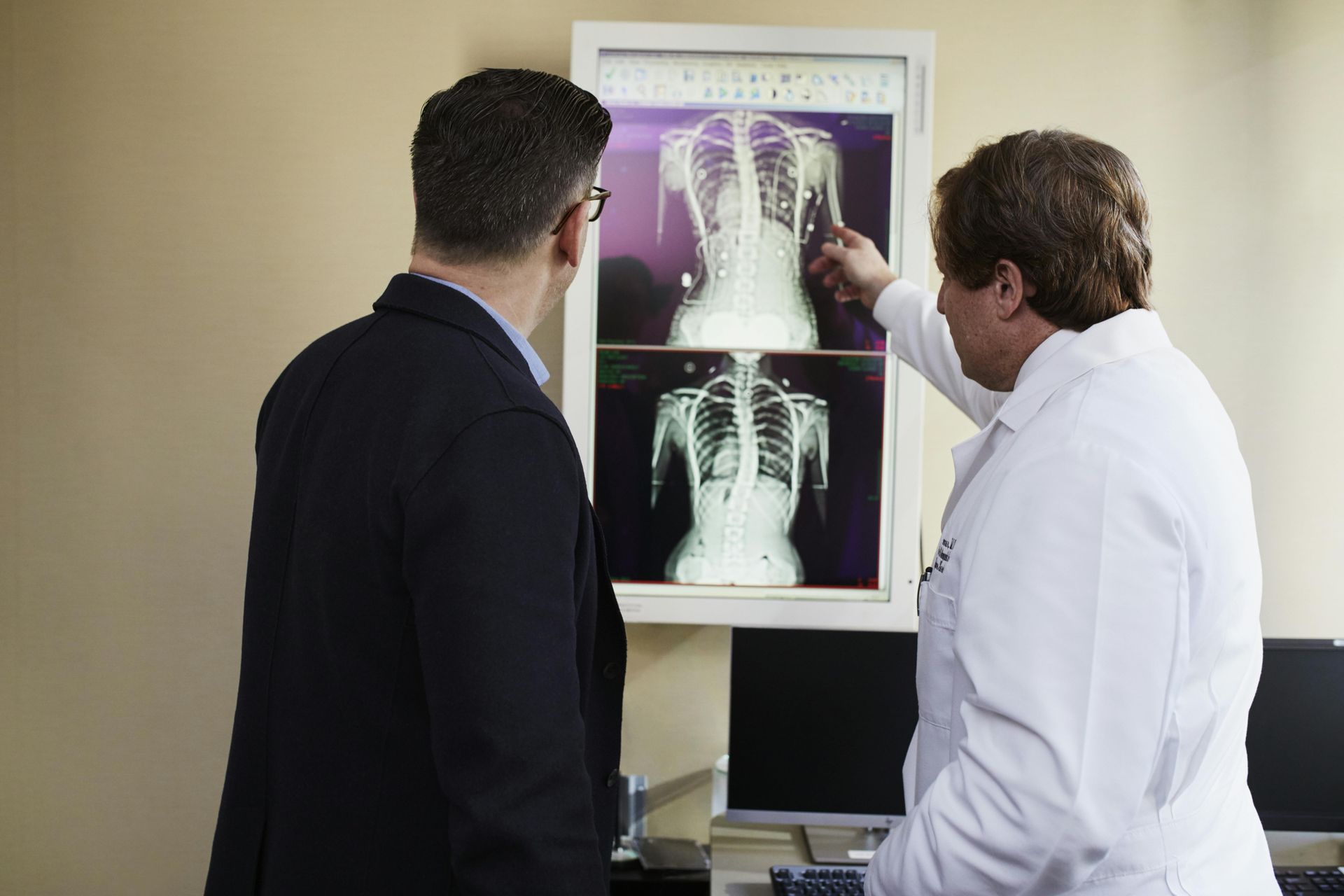
For chronic back pain, disc herniations, or other spinal problems, an MRI can help visualize the spine, spinal cord, and surrounding structures more effectively than an X-ray.
3. Tumor Evaluation:
MRI is often preferred for assessing tumors, whether benign or malignant, in soft tissues or the spine, due to its ability to provide intricate details about tissue composition.
4. Joint Problems:
In cases of arthritis, cartilage damage, or complex joint injuries, MRIs can provide comprehensive information that aids in treatment planning.
5. Neurological Conditions:
If there are symptoms related to nerve issues, such as numbness or weakness, an MRI can help identify conditions affecting the brain or nerve roots, offering insights that X-rays simply cannot provide.
Picking The Right Imaging
Choosing between an MRI and an X-ray depends on the specific condition being evaluated and the level of detail required for an accurate diagnosis. At Florida Medical Orthopedic & Spine Institute, our compassionate physicians are committed to ensuring you receive the most effective diagnostic tools tailored to your needs. If you have questions about which imaging option is right for you, don’t hesitate to reach out to our team for expert guidance.
When to Opt for an X-ray Instead of an MRI
At Florida Medical Orthopedic & Spine Institute, we understand that selecting the right imaging technique can be crucial in diagnosing your musculoskeletal condition accurately. Both X-rays and MRIs have distinct advantages, depending on the specifics of your situation. Here’s a guide to help you understand when an X-ray might be the more appropriate choice over an MRI.
Immediate Evaluation of Bone Health
X-rays are typically the first step when a bone injury is suspected, such as fractures or dislocations. They provide clear images of bone structures, allowing physicians to quickly assess any breaks or anomalies.
Cost-Effectiveness
X-rays are generally less expensive than MRIs. If you're concerned about costs or if your condition does not require the detailed imaging that an MRI provides, an X-ray may be sufficient for initial assessment.
Speed of Procedure
X-rays are quick and can often be performed in a matter of minutes, making them ideal for urgent situations where immediate decision-making is needed.
Evaluating Alignment and Joint Issues
X-rays are effective for assessing alignment issues involving joints or the spine. Conditions such as arthritis can also be evaluated using X-rays to visualize joint spaces and bone integrity.
Limited Soft Tissue Evaluation
If the primary concern is with the bones or if the physician believes that soft tissue structures (like ligaments or muscles) are not implicated, an X-ray can provide enough information without the need for a more detailed MRI.
Follow-Up Imaging
Sometimes, after an MRI has been performed, an X-ray may be used for follow-up to monitor changes in bone structure or healing progress.
While both X-rays and MRIs serve important roles in diagnosing musculoskeletal conditions, the choice between them depends on the specifics of your situation. At Florida Medical Orthopedic & Spine Institute, our team of experienced physicians will guide you in selecting the most appropriate imaging technique for your needs. If you have any questions about your condition or the imaging options available, please don’t hesitate to reach out to us. Your health and well-being are our top priorities.
Conclusion: Making an Informed Decision
At Florida Medical Orthopedic & Spine Institute, we understand that choosing a treatment plan for pain management is a significant decision that requires careful consideration. Our dedicated team of experienced physicians is here to guide you through every step of the process, ensuring you feel informed and confident in your choices.
Whether you are exploring surgical options or nonsurgical therapies, we are committed to providing you with comprehensive information about your condition and the various treatment modalities available. Our goal is to empower you with the knowledge needed to make an informed decision that aligns with your individual needs and lifestyle.
Remember, effective pain management is not just about alleviating symptoms; it’s about improving your overall quality of life. By partnering with us, you are taking a proactive step towards regaining control of your health. Don’t hesitate to reach out to our team with any questions or concerns – we are here to support you on your journey to wellness.
Don't Wait, Prioritize Your Health:
The moments following an accident can be chaotic, but prioritizing your health by seeking immediate medical attention is one of the most important decisions you can make. Even if you feel seemingly unharmed, hidden injuries can be lurking beneath the surface.
If you've been involved in an accident, don't delay. Visit your nearest emergency room, urgent care, or schedule an appointment with a personal injury doctor as soon as possible. At FMOS, we are dedicated to providing comprehensive and timely care to accident victims, ensuring you receive the diagnosis, treatment, and support you need to recover fully.
Your health matters. Don't let precious hours pass without getting the medical attention you deserve.
Contact Us Today
Have a question? Looking for treatment? We’re here to help. Send us a message and we’ll be in touch.