Are Bone Spurs Permanent? Understanding Treatment Options
Causes of Bone Spurs
Bone spurs, or osteophytes, often develop as a result of wear and tear on the joints, commonly linked to conditions like arthritis. Other factors include repetitive stress from physical activity, obesity, and age-related changes in bone density. At Florida Medical Orthopedic & Spine Institute, our team of experienced physicians understands the complexities of these issues and offers tailored solutions—both surgical and nonsurgical—to alleviate pain and restore mobility, helping you regain your quality of life.
Contact Us Today
Have a question? Looking for treatment? We’re here to help. Send us a message and we’ll be in touch.
Symptoms of Bone Spurs
Bone spurs, also known as osteophytes, are bony growths that develop on the edges of bones, often in joints and the spine. While they can occur without causing any noticeable symptoms, they may lead to discomfort or pain depending on their location and size. At Florida Medical Orthopedic & Spine Institute, we understand how these spurs can impact your quality of life. Here are some common symptoms associated with bone spurs:
- Joint Pain: Bone spurs often form in joints, which can lead to inflammation and pain, especially during movement.
- Stiffness: Increased stiffness in the affected joint may be experienced, making it difficult to move normally.
- Swelling: Inflammation around the joint due to bone spurs might lead to noticeable swelling.
- Numbness or Tinglin: If a bone spur compresses nearby nerves, it can cause sensations of numbness or tingling in the extremities.
- Reduced Range of Motion: You may notice a decrease in your ability to move the affected joint fully.
- Pinched Nerves: In the case of spinal bone spurs, they can cause additional symptoms like back pain and radiating pain down the arms or legs.
If you are experiencing any of these symptoms, it’s important to consult with our team of experienced physicians at Florida Medical Orthopedic & Spine Institute. We specialize in both surgical and nonsurgical treatments tailored to manage bone spur-related pain effectively and help restore your mobility.
Are Bone Spurs Permanent?
Bone spurs, also known as osteophytes, are bony projections that develop along the edges of bones, often in joints. While they can be a sign of underlying conditions such as arthritis, it’s important to understand their permanence.
In many cases, bone spurs tend to remain unless treated, as they are formed in response to pressure, friction, or stress on the bone. However, the symptoms associated with bone spurs, such as pain or discomfort, can often be managed effectively with both nonsurgical and surgical treatments.
At Florida Medical Orthopedic & Spine Institute, our team of experienced and compassionate physicians considers each patient’s unique situation. We offer a range of treatment options designed to alleviate pain and improve mobility, whether through physical therapy, medication, or, in some cases, surgical intervention. If you have concerns about bone spurs, we encourage you to reach out for a comprehensive evaluation to explore your treatment options.
Diagnosis of Bone Spurs at Florida Medical Orthopedic & Spine Institute
Bone spurs, or osteophytes, are bony projections that develop along the edges of bones, often in areas like the spine, hips, knees, and feet. They can be a result of various conditions, including arthritis, and may lead to pain and discomfort if they compress nearby nerves or tissues.
The development of bone spurs generally occurs due to the body’s response to joint damage, such as when cartilage wears away, causing bones to rub against one another. Over time, this friction can lead to the formation of these bony growths.
Diagnostic Process
At Florida Medical Orthopedic & Spine Institute, diagnosing bone spurs involves a comprehensive approach:
- Medical History: Our physicians will start by reviewing your medical history, including any prior injuries or conditions that might contribute to bone spur formation.
- Symptoms Assessment: You’ll be asked about your symptoms, such as pain, stiffness, or limited mobility, which are crucial for identifying the severity and impact of the spurs.
- Physical Examination: During this examination, our physicians will assess the affected area for tenderness, swelling, and range of motion.
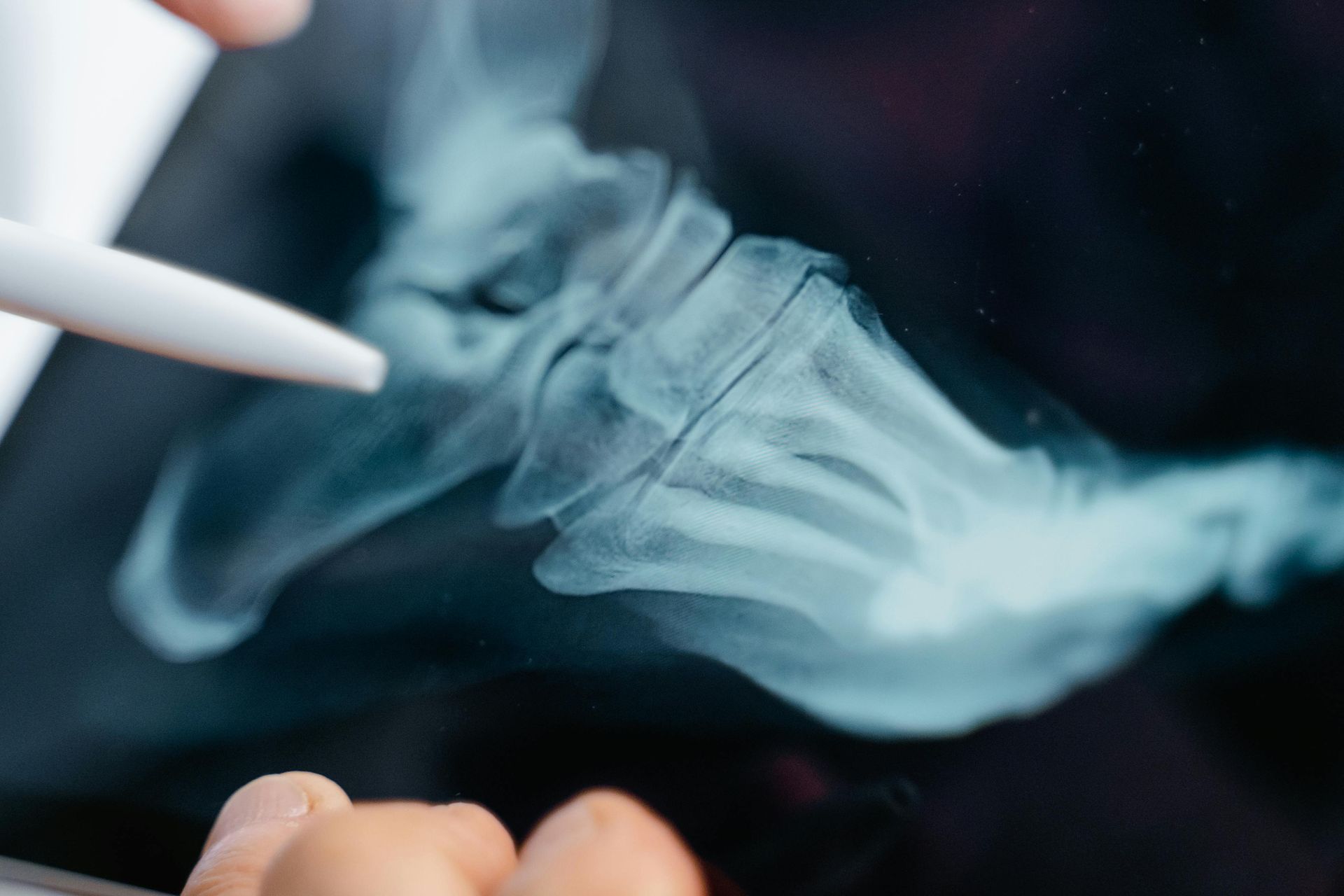
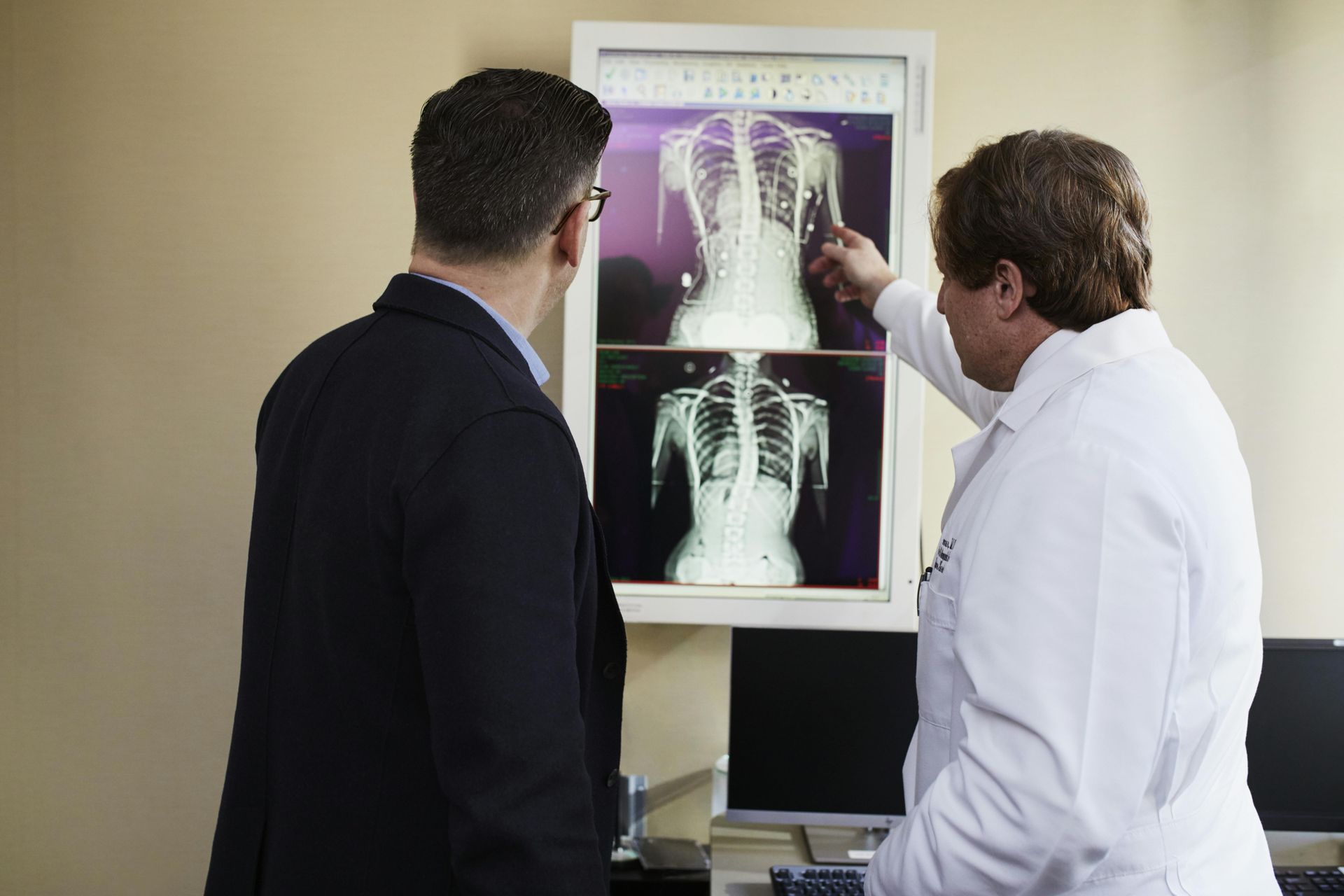
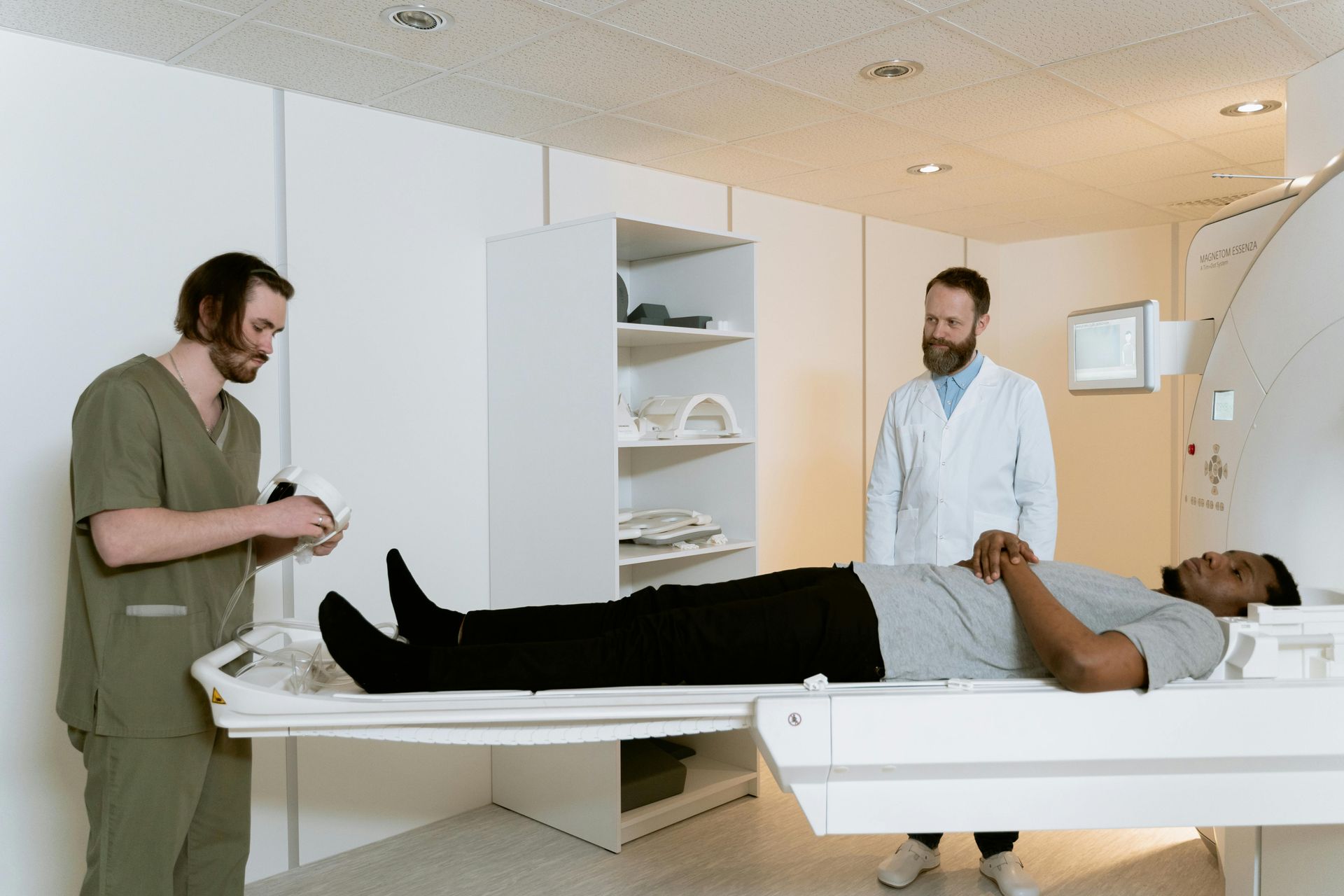
- Imaging Studies: To confirm the presence of bone spurs and understand their extent, we often utilize diagnostic imaging. X-rays, MRI scans, or CT scans provide clear visuals of the bone structure and can help pinpoint the location and size of the bone spurs.
- Additional Tests: In some cases, further tests may be recommended to rule out other conditions or assess the impact of the bone spurs on your overall musculoskeletal health.
Next Steps
If you suspect you have bone spurs or are experiencing related symptoms, it’s essential to consult with an experienced physician. At Florida Medical Orthopedic & Spine Institute, our dedicated team is here to provide a thorough diagnosis and discuss appropriate treatment options tailored to your individual needs. Whether surgical or nonsurgical, we are committed to guiding you toward effective pain management and improved mobility.
Contact Us
Don’t let pain impede your daily life. Schedule an appointment with us today to begin your journey towards relief and recovery.
Non-Surgical Treatment Options
At Florida Medical Orthopedic & Spine Institute, we understand that managing pain and promoting healing without surgery is a top priority for many of our patients. Our team of experienced physicians is dedicated to providing comprehensive, minimally invasive treatment options tailored to your unique needs. Here are some of the non-surgical treatment options we offer:
Physical Therapy
Physical therapy is an essential part of rehabilitation and recovery for musculoskeletal conditions. Our licensed physical therapists design personalized exercise programs to improve strength, flexibility, and mobility, helping to alleviate pain and prevent future injuries.
Chiropractic Care
Chiropractic treatments focus on the alignment of the spine and musculoskeletal system. Our chiropractors use manual adjustments and other techniques to relieve pain, improve function, and enhance overall wellness.
Pain Management Injections
We offer a range of injection therapies, including corticosteroid injections, nerve blocks, and epidural steroid injections. These targeted treatments aim to reduce inflammation and provide immediate pain relief, enabling you to engage in rehabilitation more effectively.
Regenerative Medicine
Utilizing cutting-edge techniques such as platelet-rich plasma (PRP) therapy and stem cell therapy, we harness the body’s natural healing processes to treat injuries and chronic pain conditions. These innovative treatments promote tissue repair and regeneration without the need for surgery.
Medication Management
Our physicians carefully evaluate each patient's condition to prescribe appropriate pain management medications. This might include anti-inflammatories, muscle relaxants, or neuropathic pain agents to help manage symptoms and improve quality of life.
Lifestyle Modifications
Education and support regarding lifestyle changes can play a significant role in managing pain. Our team provides guidance on nutrition, weight management, and exercise to help you make informed decisions that can aid in recovery and prevent further issues.
Acupuncture
Acupuncture is an alternative treatment option that involves the insertion of thin needles into specific points on the body to relieve pain and promote healing. Our trained practitioners can help determine if this holistic approach is suitable for you.
At Florida Medical Orthopedic & Spine Institute, we prioritize a patient-centered approach, working closely with you to develop an effective treatment plan that aligns with your goals. Whether you're dealing with chronic pain, injury recovery, or musculoskeletal disorders, we’re here to help you find relief and regain your quality of life. Contact us today to learn more about our non-surgical treatment options.
Surgical Treatment Options at Florida Medical Orthopedic & Spine Institute
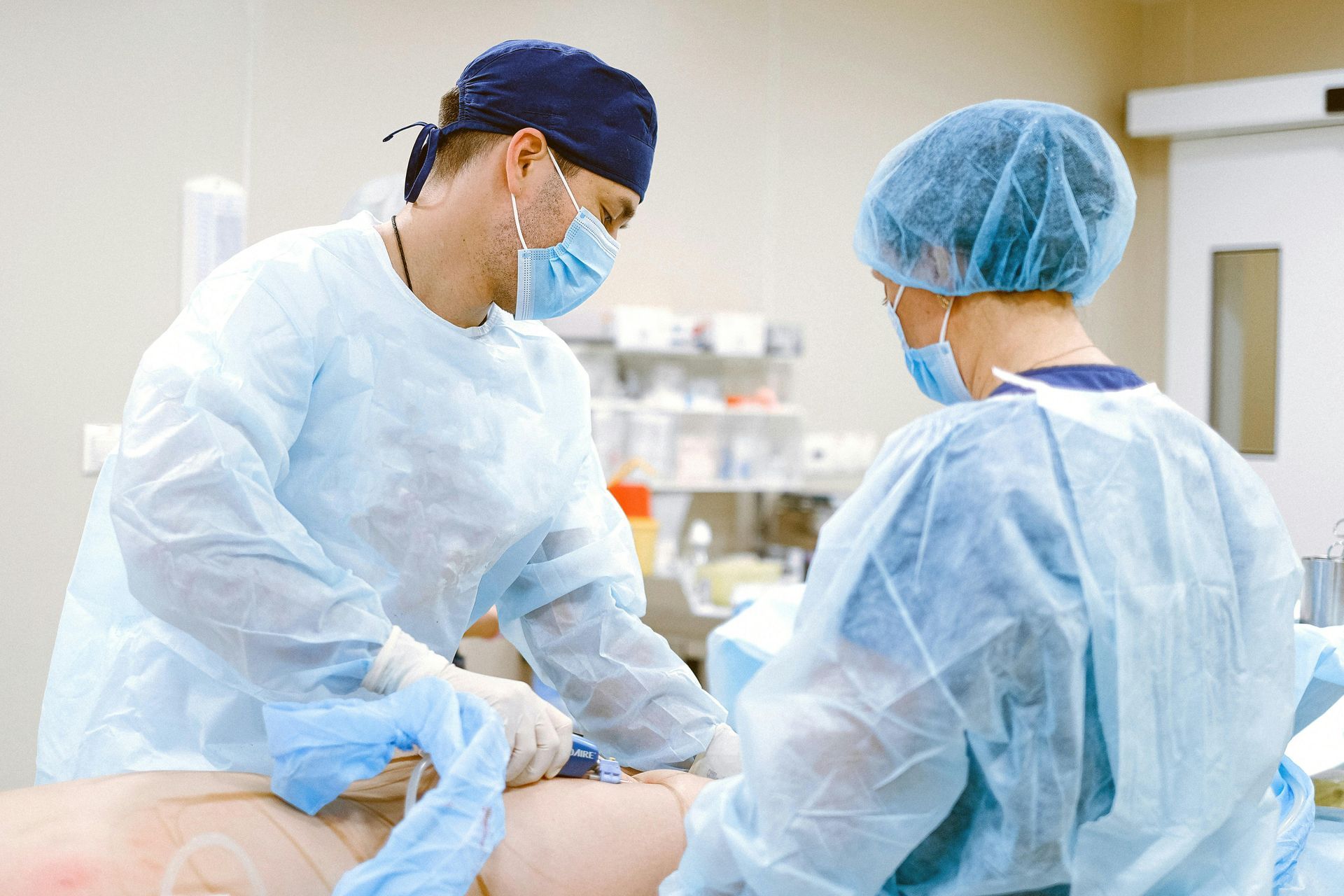
At Florida Medical Orthopedic & Spine Institute, our dedicated team of experienced physicians offers a wide range of surgical treatment options tailored to alleviate pain and restore function for various musculoskeletal conditions. Our goal is to provide comprehensive care with compassion and expertise. Here are some of the surgical options we provide:
Joint Replacement Surgery
- Knee Replacement: Ideal for patients suffering from severe arthritis or joint damage, this procedure involves replacing a damaged knee joint with an artificial implant.
- Hip Replacement: This surgery can relieve pain and improve mobility for those with hip arthritis or fractures by replacing the damaged hip joint with a prosthetic.
Spinal Surgery
- Discectomy: This minimally invasive procedure removes herniated disc material that compresses spinal nerves, alleviating pain and restoring movement.
- Spinal Fusion: This surgery joins two or more vertebrae together to stabilize the spine, often used to treat conditions such as spondylolisthesis or degenerative disc disease.
Arthroscopy
A minimally invasive technique used to diagnose and treat joint issues. Using small incisions, our surgeons can repair cartilage, remove loose bodies, or address other joint concerns.
Tendon and Ligament Repair
Surgical options to repair torn tendons or ligaments, such as the ACL in the knee or the rotator cuff in the shoulder, can restore stability and function.
Pain Management Procedures
- Nerve Blocks: Injections that can target specific nerves to alleviate pain.
- Spinal Cord Stimulation: A neuromodulation technique that can help manage chronic pain through electrical impulses.
Fracture Repair
- Surgical intervention may be necessary for complex fractures to ensure proper healing and alignment, using plates, screws, or rods.
Why Choose Us?
Our team at Florida Medical Orthopedic & Spine Institute is committed to providing personalized care through thorough evaluations and tailored treatment plans. We prioritize patient education and involve you in the decision-making process to choose the best surgical option for your specific needs. If you are experiencing musculoskeletal pain, don’t hesitate to reach out to us to discuss your options.
**Contact us today to schedule a consultation and take the first step towards relief and recovery!**
Lifestyle Changes and Home Remedies for Pain Management
At Florida Medical Orthopedic & Spine Institute, we understand that managing pain effectively involves more than just medical treatments. Embracing certain lifestyle changes and utilizing home remedies can enhance your overall well-being and support your treatment plan. Here are several strategies to consider:
Maintain a Healthy Weight
Excess weight puts additional strain on your joints, particularly in the knees, hips, and back. A balanced diet rich in fruits, vegetables, whole grains, and lean proteins can help manage your weight and reduce pain levels.
Stay Active
Engaging in regular exercise helps to strengthen muscles, improve flexibility, and increase endurance. Low-impact activities such as swimming, cycling, and walking can be particularly beneficial. Always consult with your physician before starting a new exercise plan.
Incorporate Stretching and Strengthening Exercises
Incorporating stretching and strength-training routines can enhance muscle support around painful areas. Pilates, yoga, and physical therapy exercises are excellent ways to improve flexibility and strength while being mindful of your pain.
Practice Good Posture
Maintaining proper posture can alleviate stress on your spine and joints. Be mindful of your sitting and standing positions, especially if you spend long hours at a desk or driving. Ergonomic furniture may also offer support.
Utilize Heat and Cold Therapy
Applying heat aids in increasing blood flow and alleviating muscle tension, whereas cold therapy can reduce inflammation and numb sharp pain. Alternating between the two methods can provide significant relief.
Stay Hydrated
Proper hydration is crucial for optimal joint function. Water helps keep the cartilage in your joints lubricated, preventing stiffness and discomfort.
Explore Natural Remedies
Certain supplements and natural remedies may provide relief for pain. Turmeric, ginger, and omega-3 fatty acids are known for their anti-inflammatory properties. However, it’s important to consult with your physician before starting any new supplements.
Focus on Sleep Quality
Quality sleep is essential for healing and pain management. Establish a regular sleep schedule, create a calming bedtime routine, and ensure your sleep environment is comfortable and conducive to rest.
Stress Management Techniques
Chronic pain can be exacerbated by stress. Engaging in relaxation techniques such as meditation, deep breathing exercises, or mindfulness can help manage stress levels and improve your outlook on pain.
Consider Alternative Therapies
Explore therapies such as acupuncture, chiropractic care, or massage therapy. Many patients find these complementary treatments effective in managing pain and enhancing recovery.
Conclusion
Maintaining an active role in your pain management journey is vital. By incorporating these lifestyle changes and home remedies, you can support your healing process and improve your quality of life. For personalized treatment options, consult with our compassionate team at Florida Medical Orthopedic & Spine Institute, where we prioritize your wellbeing and recovery.
Preventive Measures for Bone Spurs
At Florida Medical Orthopedic & Spine Institute, we understand that bone spurs can cause pain and discomfort, affecting your overall quality of life. While they are often a result of wear and tear on the joints, there are several preventive measures you can take to help minimize your risk of developing bone spurs.
Maintain a Healthy Weight
Excess body weight puts additional stress on your joints, particularly in weight-bearing areas such as the hips, knees, and spine. Maintaining a healthy weight through a balanced diet and regular exercise can help reduce this strain and lower the risk of bone spurs.
Stay Active
Engaging in low-impact exercises, such as swimming, cycling, and walking, can help strengthen the muscles around your joints. This, in turn, can provide better support and alignment, reducing the likelihood of bone spurs developing.
Practice Good Posture
Proper posture helps to maintain the alignment of your spine and joints. Be mindful of your posture when sitting, standing, or lifting objects. Ergonomic furniture and supportive devices can assist in maintaining good posture throughout your daily activities.
Use the Right Footwear
Wearing shoes that provide adequate support and cushioning can alleviate pressure on your feet and joints. Avoid high heels and shoes that do not fit well, as they can contribute to misalignment and strain.
Incorporate Stretching and Strengthening Exercises
Regular stretching can improve flexibility, while strengthening exercises can build the muscles that support your joints. Work with a physical therapist or fitness professional to create a tailored exercise plan that addresses your specific needs.
Manage Underlying Conditions
Certain medical conditions, such as arthritis or diabetes, can increase the risk of bone spurs. Work with your healthcare provider to effectively manage these conditions, as proper treatment can help prevent the complications that may lead to bone spur development.
Regular Check-Ups
Routine visits to a healthcare professional can help detect any musculoskeletal issues early on. This proactive approach allows for timely interventions that may prevent the formation of bone spurs.
At Florida Medical Orthopedic & Spine Institute, our dedicated team is here to provide you with comprehensive care and guidance. If you have concerns about bone spurs or other musculoskeletal conditions, don’t hesitate to reach out to us for expert advice and treatment options. Together, we can help you lead a healthier, pain-free life.
Conclusion: Managing Bone Spurs Effectively
At Florida Medical Orthopedic & Spine Institute, we understand that bone spurs can be a significant source of discomfort and limitation in daily activities. Managing this condition effectively requires a comprehensive approach tailored to each individual’s unique needs.
Whether through surgical or nonsurgical methods, our experienced team of physicians is committed to providing innovative treatment options that promote healing and enhance mobility. From lifestyle modifications and physical therapy to targeted injections and advanced surgical techniques, we offer a range of solutions designed to alleviate pain and improve your quality of life.
Early intervention is key in managing bone spurs, and we encourage patients to seek medical advice at the first sign of discomfort. With the right guidance and support, living a pain-free life is within reach.
At Florida Medical Orthopedic & Spine Institute, your well-being is our priority. Let us help you find the most effective path to recovery and regain control over your life. Contact us today to schedule a consultation and take the first step towards a healthier tomorrow.
Don't Wait, Prioritize Your Health:
The moments following an accident can be chaotic, but prioritizing your health by seeking immediate medical attention is one of the most important decisions you can make. Even if you feel seemingly unharmed, hidden injuries can be lurking beneath the surface.
If you've been involved in an accident, don't delay. Visit your nearest emergency room, urgent care, or schedule an appointment with a personal injury doctor as soon as possible. At FMOS, we are dedicated to providing comprehensive and timely care to accident victims, ensuring you receive the diagnosis, treatment, and support you need to recover fully.
Your health matters. Don't let precious hours pass without getting the medical attention you deserve.
Contact Us Today
Have a question? Looking for treatment? We’re here to help. Send us a message and we’ll be in touch.