How Long Does a Muscle Strain Last? Recovery Time Explained
Understanding Muscle Strains
Muscle strains, often referred to as pulled muscles, occur when muscle fibers are overstretched or torn. This can result from a variety of activities, ranging from intense sports to simple everyday movements that exert too much force on the muscles. The severity of a muscle strain can vary significantly, from mild discomfort to severe pain and loss of function. Understanding muscle strains is crucial for effective recovery and prevention in the future.
At the core, muscle strains involve damage to the muscle fibers, which can be caused by sudden, acute stress or overuse. When muscles are subjected to more force than they can handle, the fibers can stretch beyond their capacity, leading to small tears. These tears trigger an inflammatory response, which is the body's natural way of starting the healing process, but it also leads to pain and swelling.
Recognizing the symptoms and understanding the underlying causes of muscle strains can help in managing the condition effectively.
Early diagnosis and appropriate treatment are key to a speedy recovery. This comprehensive guide will delve into the types of muscle strains, their causes, symptoms, recovery times, and preventive measures, providing you with all the information needed to navigate through and recover from a muscle strain.
Contact Us Today
Have a question? Looking for treatment? We’re here to help. Send us a message and we’ll be in touch.
Types of Muscle Strains
Muscle strains can be classified into three main types based on their severity: Grade I, Grade II, and Grade III. Each type has distinct characteristics and requires different approaches to treatment and recovery.
Grade I muscle strains are mild and involve minor stretching and micro-tears in the muscle fibers. While they can cause discomfort and tenderness in the affected area, they do not usually result in significant loss of strength or range of motion. Grade I strains often heal relatively quickly with appropriate rest and care, allowing individuals to return to their normal activities within a few weeks.
Grade II muscle strains are moderate and involve a greater degree of damage to the muscle fibers, including a partial tear. This type of strain is characterized by more intense pain, swelling, and bruising. Individuals with Grade II strains may experience a noticeable decrease in muscle strength and function, and recovery can take several weeks to a few months, depending on the extent of the injury and adherence to a rehabilitation program.
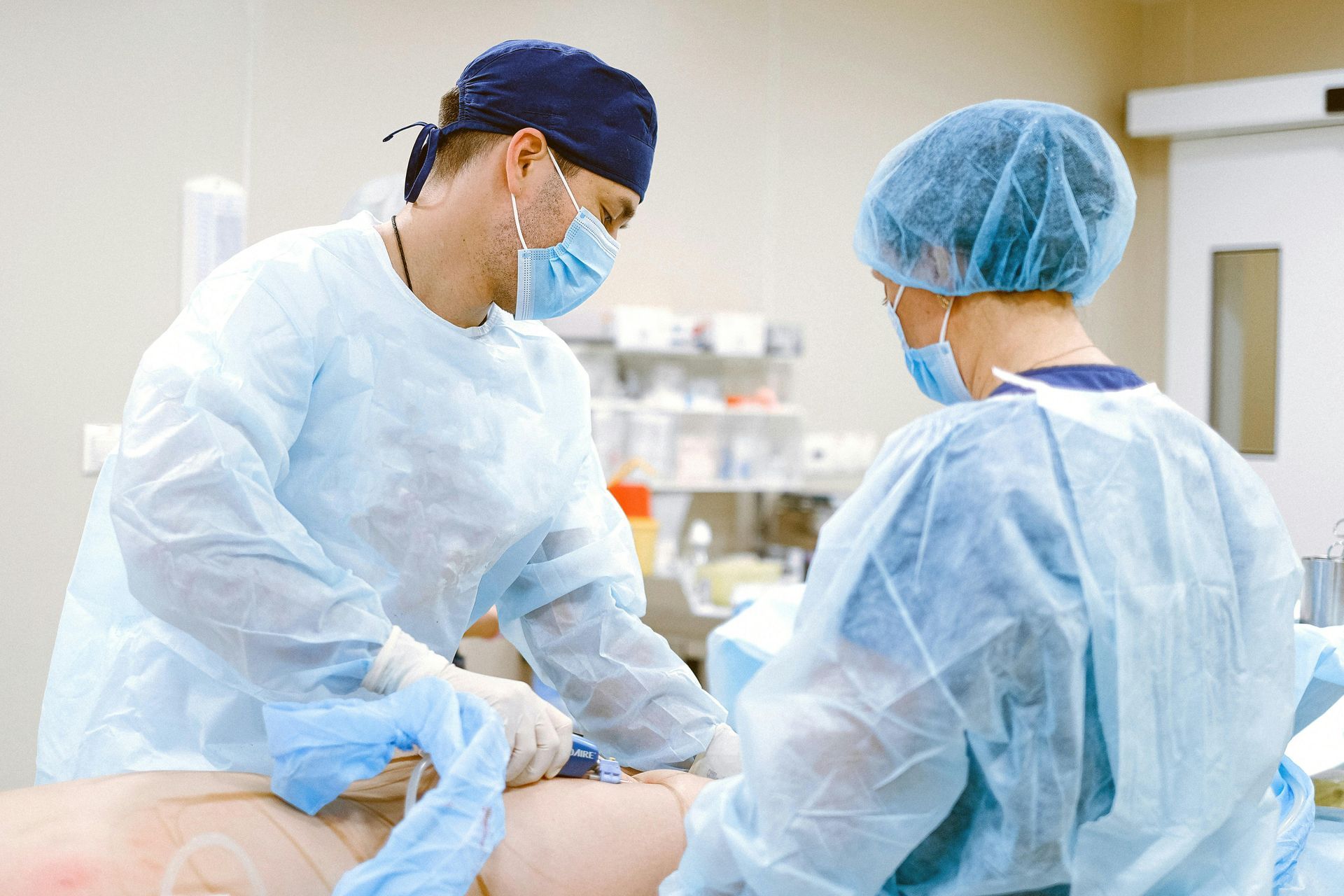
Grade III muscle strains are severe and involve a complete tear or rupture of the muscle. These strains are marked by intense pain, significant swelling, and often a palpable gap in the muscle. Grade III strains can severely impair muscle function and typically require a longer recovery period, which may include surgical intervention to repair the torn muscle. Post-surgery rehabilitation and physical therapy are crucial for restoring strength and flexibility.
Common Causes of Muscle Strains
Muscle strains can occur due to a variety of reasons, often stemming from activities that place excessive stress on the muscles. Understanding these causes can help in preventing strains and promoting better muscle health.
One of the most common causes of muscle strains is engaging in physical activities without proper warm-up exercises. Warming up helps prepare the muscles for the exertion ahead by increasing blood flow and flexibility, reducing the risk of strains. Skipping this important step can leave muscles stiff and more susceptible to injury.
Overexertion is another significant cause of muscle strains. This can happen during intense workouts, lifting heavy objects, or performing repetitive motions over an extended period. When muscles are pushed beyond their capacity, they are more likely to become overstretched and damaged. Ensuring that physical activities are performed within one's fitness level and gradually increasing intensity can help mitigate this risk.
Poor technique and form during physical activities can also lead to muscle strains. Whether in sports, exercise, or daily tasks, improper movements can place undue stress on muscles, leading to strains. It is essential to learn and maintain proper techniques and body mechanics to prevent injury. Seeking guidance from fitness professionals or physical therapists can be beneficial in developing safe and effective movement patterns.
Symptoms of a Muscle Strain
Recognizing the symptoms of a muscle strain is crucial for timely intervention and effective management of the injury. While symptoms can vary depending on the severity of the strain, there are common signs to watch for.
Pain is the most immediate and noticeable symptom of a muscle strain. This pain can range from mild discomfort to sharp, intense pain, depending on the degree of damage to the muscle fibers. The pain is typically localized to the affected area and may worsen with movement or pressure.
Swelling and bruising are also common symptoms of muscle strains. The inflammatory response triggered by the injury leads to the accumulation of fluid and blood around the damaged muscle fibers, causing swelling. Bruising occurs when small blood vessels in the muscle are damaged, leading to the leakage of blood under the skin, resulting in discoloration.
Muscle weakness and limited range of motion are additional indicators of a muscle strain. The damage to the muscle fibers can impair their ability to contract and function properly, leading to decreased strength and difficulty in performing movements that involve the affected muscle. In severe cases, such as with Grade III strains, there may be a noticeable gap or deformity in the muscle.
Recovery Time for Different Grades of Muscle Strains
The recovery time for muscle strains varies significantly depending on the grade of the strain and the individual's adherence to treatment and rehabilitation protocols. Understanding the expected recovery timelines for each grade can help in setting realistic expectations and planning for a return to normal activities.
Grade I muscle strains, being the mildest, generally have the shortest recovery period. With proper rest, ice, compression, elevation (R.I.C.E. method), and gentle stretching, individuals can often see improvement within a few days to a week. Most people can return to their regular activities within two to three weeks, provided they avoid activities that may exacerbate the injury.
Grade II muscle strains require a more extended recovery period due to the moderate damage to the muscle fibers. In addition to the R.I.C.E. method, physical therapy and strengthening exercises are crucial for a full recovery. It can take anywhere from several weeks to a couple of months for a Grade II strain to heal completely. The exact timeline depends on the extent of the injury and how well the rehabilitation program is followed.
Grade III muscle strains, being the most severe, have the longest recovery time and may require surgical intervention to repair the completely torn muscle. Post-surgery, a comprehensive rehabilitation program involving physical therapy, gradual strengthening, and flexibility exercises is essential. Recovery from a Grade III strain can take several months, often ranging from three to six months or more. Patience and adherence to medical advice are vital for a successful recovery.
Factors Influencing Recovery Time
Several factors can influence the recovery time for muscle strains, making each individual's healing process unique. Understanding these factors can help in managing expectations and optimizing recovery strategies.
The severity of the strain is the most apparent factor affecting recovery time. As discussed, Grade I strains heal faster than Grade II and III strains due to the extent of muscle fiber damage. However, individual differences in the body's healing capacity also play a significant role. Factors such as age, overall health, and fitness level can impact how quickly the body repairs itself.
Adherence to treatment protocols is another critical factor. Following medical advice, including rest, ice, compression, elevation, and engaging in prescribed physical therapy, can significantly influence recovery time. Neglecting these recommendations or returning to strenuous activities too soon can delay healing and increase the risk of re-injury.
Nutrition and hydration also play a vital role in muscle recovery. A diet rich in protein, vitamins, and minerals supports muscle repair and growth, while proper hydration ensures optimal muscle function. Ensuring an adequate intake of nutrients and staying hydrated can enhance the body's ability to heal from a muscle strain.
Effective Treatment Options for Muscle Strains
Effective treatment of muscle strains involves a combination of immediate care, medical intervention if necessary, and long-term rehabilitation strategies. Employing the right treatment options can accelerate recovery and reduce the risk of complications.
The R.I.C.E. method—Rest, Ice, Compression, and Elevation—is the cornerstone of initial treatment for muscle strains. Resting the affected muscle allows it to heal without additional stress. Applying ice helps reduce inflammation and numb the pain, while compression with an elastic bandage can minimize swelling. Elevating the injured area above heart level further aids in reducing swelling.
Over-the-counter pain relievers, such as ibuprofen or acetaminophen, can help manage pain and reduce inflammation. However, it is important to follow dosing instructions and consult with a healthcare provider if there are any concerns or pre-existing conditions that might be affected by these medications.
For more severe strains, physical therapy is a highly effective treatment option. A physical therapist can design a tailored rehabilitation program that includes specific exercises to restore strength, flexibility, and range of motion. In cases of Grade III strains, surgical repair followed by a structured rehabilitation plan is often necessary to ensure complete recovery and prevent long-term deficits in muscle function.
Rehabilitation and Exercises for Recovery
Rehabilitation and exercises are crucial components of the recovery process for muscle strains, especially for moderate to severe injuries. A well-structured rehabilitation program can help restore muscle function, prevent re-injury, and improve overall muscle health.
Initially, rehabilitation focuses on gentle, pain-free range-of-motion exercises to maintain flexibility and prevent stiffness. As the muscle begins to heal, the intensity and type of exercises can be gradually increased. Stretching exercises are essential to improve flexibility and prevent the formation of scar tissue that can limit movement.
Strengthening exercises are also vital during the rehabilitation process. These exercises help rebuild muscle strength and restore the muscle's ability to handle daily activities and physical exertion. Starting with low-resistance exercises, such as isometric contractions, and progressively moving to more dynamic and weight-bearing exercises can ensure a safe and effective recovery.
Balance and proprioception exercises are also important, especially if the muscle strain affects areas like the lower limbs. These exercises help improve coordination and the body's ability to sense its position in space, reducing the risk of future strains. Working with a physical therapist to develop a comprehensive rehabilitation plan tailored to the specific strain and individual needs can optimize recovery and prevent recurrence.
Tips for Preventing Future Muscle Strains
Preventing future muscle strains involves adopting habits and practices that promote muscle strength, flexibility, and overall health. By incorporating these tips into daily routines, individuals can reduce the risk of strains and enjoy a more active and injury-free lifestyle.
Proper warm-up and cool-down routines are essential. Warming up before physical activities increases blood flow to the muscles, making them more pliable and less prone to injury. A good warm-up should include dynamic stretches and light aerobic exercises. Cooling down after activities helps gradually reduce the intensity and return the body to a resting state, preventing muscle stiffness and soreness.
Maintaining a balanced exercise routine that includes strength training, cardiovascular exercises, and flexibility exercises can also prevent muscle strains. Strength training builds muscle resilience, while cardiovascular exercises improve overall fitness and endurance. Flexibility exercises, such as yoga or stretching, enhance muscle elasticity and reduce the likelihood of overstretching.
Proper technique and body mechanics are crucial in preventing muscle strains. Learning the correct form for exercises and daily activities can minimize undue stress on muscles and joints. For individuals involved in sports or high-intensity activities, working with a coach or trainer to refine techniques can be particularly beneficial. Additionally, listening to the body and avoiding overexertion can prevent the muscles from being pushed beyond their limits.
Understanding Muscle Strains
Muscle strains are a common occurrence, affecting individuals across various age groups and activity levels. Essentially, a muscle strain refers to the overstretching or tearing of muscle fibers, which can result in pain, swelling, and a decrease in muscle function. These injuries are typically caused by excessive or sudden force exerted on a muscle, leading to damage. While muscle strains can be quite painful and inconvenient, they are generally manageable with the right approach to treatment and recovery.
It's crucial to understand that not all muscle strains are the same. They can range from mild to severe, with each level of strain presenting its own set of symptoms and recovery timelines. The degree of severity largely depends on the extent of muscle fiber damage and the specific muscle involved. Understanding the nuances of muscle strains can help individuals better manage their recovery and prevent future injuries.
Muscle strains are often categorized into three grades, each representing a different level of severity. Grade I strains are mild, involving only a few muscle fibers and resulting in minimal pain and loss of function. Grade II strains are moderate, with a greater number of damaged fibers and more significant pain and swelling. Grade III strains are severe, involving a complete tear of the muscle, leading to substantial pain, swelling, and a marked loss of muscle function. Recognizing the grade of a muscle strain is essential for determining the appropriate treatment and recovery plan.
Types of Muscle Strains
Muscle strains can be classified into different types based on the specific muscle group affected. Some of the most common types of muscle strains include hamstring strains, quadriceps strains, calf strains, and groin strains. Each type of strain presents unique challenges and requires targeted treatment approaches to ensure effective recovery. Understanding the specific type of strain can help tailor the rehabilitation process to address the needs of the injured muscle.
Hamstring strains are particularly common among athletes, especially those involved in sports that require sprinting or sudden changes in direction. The hamstrings are a group of muscles located at the back of the thigh, and they play a crucial role in activities such as running and jumping. A hamstring strain can lead to significant pain and limited mobility, making it difficult to perform daily activities or engage in physical exercise.
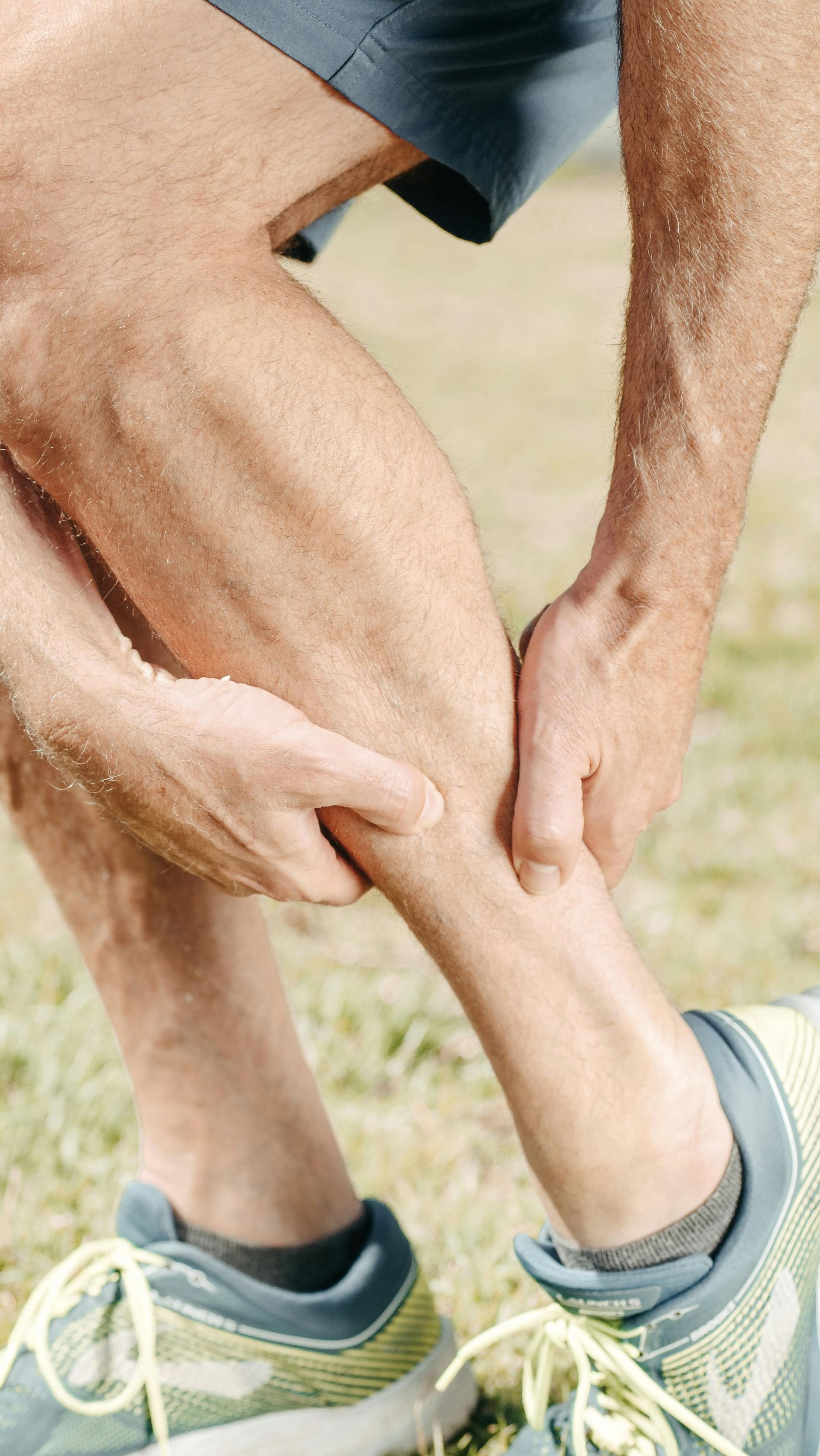
Quadriceps strains occur in the muscles at the front of the thigh and are often the result of activities that involve powerful leg movements, such as kicking or jumping. These strains can cause considerable discomfort and may impact one's ability to walk or engage in athletic activities. Calf strains affect the muscles at the back of the lower leg and are typically caused by sudden movements or overuse. Groin strains, on the other hand, involve the muscles of the inner thigh and can be particularly painful, affecting activities that require hip movement.
Common Causes of Muscle Strains
Muscle strains can occur due to a variety of factors, with overuse and acute injuries being the most prevalent causes. Overuse strains develop gradually over time as a result of repetitive stress on a muscle. This type of strain is common in individuals who engage in activities that require repetitive movements, such as running, swimming, or playing certain sports. Overuse strains can be exacerbated by inadequate rest, poor technique, or insufficient warm-up and stretching routines.
Acute muscle strains, on the other hand, occur suddenly and are often the result of a specific event or action. These strains are typically caused by activities that involve sudden forceful movements, such as lifting heavy objects, jumping, or changing direction quickly. Acute strains can also occur if a muscle is stretched beyond its normal range of motion, leading to tears in the muscle fibers.
Several risk factors can increase the likelihood of experiencing a muscle strain. Poor conditioning and muscle weakness can make muscles more susceptible to injury. Additionally, inadequate warm-up and stretching routines can lead to decreased flexibility and increased risk of strains. Fatigue is another significant factor, as tired muscles are less able to absorb the stress of sudden movements. Environmental conditions, such as cold weather, can also contribute to muscle strains, as muscles are more prone to injury when they are cold and stiff.
Symptoms of a Muscle Strain
The symptoms of a muscle strain can vary depending on the severity and location of the injury. Common symptoms include pain, swelling, and muscle weakness. In a mild strain, pain may be minimal and only noticeable during specific activities. Swelling is usually limited, and muscle function remains relatively intact. However, even mild strains can cause discomfort and may require rest and treatment to ensure proper healing.
Moderate muscle strains present with more pronounced symptoms. Pain is typically more severe and may persist even when the muscle is at rest. Swelling and bruising are often more noticeable, and there may be a reduction in muscle strength and range of motion. Individuals with moderate strains may find it difficult to perform everyday tasks or engage in physical activities.
Severe muscle strains are characterized by intense pain, significant swelling, and bruising. The affected muscle may exhibit a complete loss of function, and there may be a visible deformity or gap in the muscle. In some cases, an audible "pop" may be heard at the time of injury. Severe strains often require medical intervention and a more extended period of rehabilitation to ensure a full recovery.
Recovery Time for Different Grades of Muscle Strains
The recovery time for a muscle strain depends largely on the grade of the injury. Grade I strains, being the mildest, typically require the shortest recovery period. Most individuals with a Grade I strain can expect to return to their normal activities within one to three weeks. During this time, it is essential to rest the affected muscle and avoid activities that may exacerbate the injury. Gentle stretching and strengthening exercises can help speed up the recovery process.
Grade II strains, which are moderate in severity, usually require a more extended recovery period. It can take three to six weeks for individuals with a Grade II strain to return to their regular activities. The recovery process for a moderate strain involves a combination of rest, physical therapy, and gradual reintroduction of physical activity. It is crucial to follow a structured rehabilitation program to ensure proper healing and prevent re-injury.
Grade III strains are the most severe and often necessitate the longest recovery period. Individuals with a Grade III strain may need several months to fully recover, and in some cases, surgical intervention may be required to repair the damaged muscle. The rehabilitation process for a severe strain involves a comprehensive approach, including rest, physical therapy, and potentially surgery. Adherence to a structured rehabilitation plan is essential to regain muscle strength and function.
Factors Influencing Recovery Time
Several factors can influence the recovery time for a muscle strain. The severity of the strain is a primary determinant, with more severe strains requiring longer recovery periods. The location of the injury also plays a role, as some muscle groups may take longer to heal due to their size, function, or level of use in daily activities. For example, a strain in a weight-bearing muscle, such as the calf or quadriceps, may take longer to recover compared to a strain in a less frequently used muscle.
Age is another factor that can impact recovery time. Younger individuals tend to heal more quickly than older adults, as their muscles and tissues have a greater capacity for regeneration. Additionally, overall health and fitness levels can influence the healing process. Individuals who maintain a healthy lifestyle, including proper nutrition and regular exercise, may experience faster recovery times compared to those with poor health habits.
Adherence to a prescribed treatment and rehabilitation plan is crucial for optimal recovery. Following medical advice, attending physical therapy sessions, and performing recommended exercises can significantly impact the healing process. Conversely, returning to physical activity too soon or neglecting rehabilitation can delay recovery and increase the risk of re-injury. Patience and commitment to the recovery process are essential for achieving a full and lasting recovery.
Effective Treatment Options for Muscle Strains
The treatment of muscle strains typically involves a combination of rest, ice, compression, and elevation, commonly referred to as the RICE method. Resting the injured muscle is crucial to prevent further damage and allow the healing process to begin. Applying ice to the affected area can help reduce pain and swelling, while compression with an elastic bandage can minimize swelling and provide support. Elevating the injured limb can further reduce swelling by promoting blood flow away from the injury site.
In addition to the RICE method, over-the-counter pain relievers, such as ibuprofen or acetaminophen, can be used to manage pain and inflammation. These medications can provide relief during the initial stages of recovery, making it easier to rest and engage in gentle movement as tolerated. It is important to follow dosage instructions and consult with a healthcare professional if there are any concerns about medication use.
Physical therapy is a vital component of the treatment plan for moderate to severe muscle strains. A physical therapist can design a personalized rehabilitation program that includes stretching, strengthening, and functional exercises to restore muscle function and prevent future injuries. Massage therapy and other modalities, such as ultrasound or electrical stimulation, may also be incorporated to facilitate healing and reduce muscle tension.
Rehabilitation and Exercises for Recovery
Rehabilitation exercises play a critical role in the recovery process for muscle strains. These exercises are designed to gradually restore strength, flexibility, and function to the injured muscle. The rehabilitation process typically begins with gentle stretching exercises to improve flexibility and reduce muscle stiffness. Stretching should be performed carefully and without causing pain, gradually increasing the range of motion as the muscle heals.
As the muscle begins to recover, strengthening exercises are introduced to rebuild muscle strength and endurance. These exercises may include resistance training with bands, weights, or bodyweight exercises. It is important to progress gradually and avoid overloading the muscle, as this can lead to re-injury. A physical therapist can provide guidance on the appropriate level of resistance and progression for each exercise.
Functional exercises are also an essential part of the rehabilitation process, as they help to restore the muscle's ability to perform everyday tasks and activities. These exercises may include movements that mimic specific activities or sports, such as walking, running, or jumping. Incorporating functional exercises into the rehabilitation program can help ensure a smooth transition back to regular activities and reduce the risk of future muscle strains.
Tips for Preventing Future Muscle Strains
Preventing future muscle strains involves a combination of proper conditioning, warm-up routines, and attention to technique. Regular exercise and strength training can help maintain muscle strength and flexibility, reducing the risk of strains. It is important to focus on all major muscle groups and include a variety of exercises to promote balanced muscle development.
A thorough warm-up before physical activity is essential to prepare the muscles for exercise and reduce the risk of injury. A proper warm-up should include dynamic stretching and light aerobic activity to increase blood flow to the muscles. Stretching after exercise can also help maintain flexibility and prevent muscle tightness.
Attention to technique and form is crucial for preventing muscle strains, especially during activities that involve repetitive movements or heavy lifting. Proper technique can minimize the stress placed on muscles and reduce the risk of injury. It is also important to listen to the body and avoid pushing through pain or fatigue, as this can increase the likelihood of muscle strains. Taking breaks and allowing for adequate rest and recovery between workouts can further reduce the risk of injury.
When to Seek Medical Attention
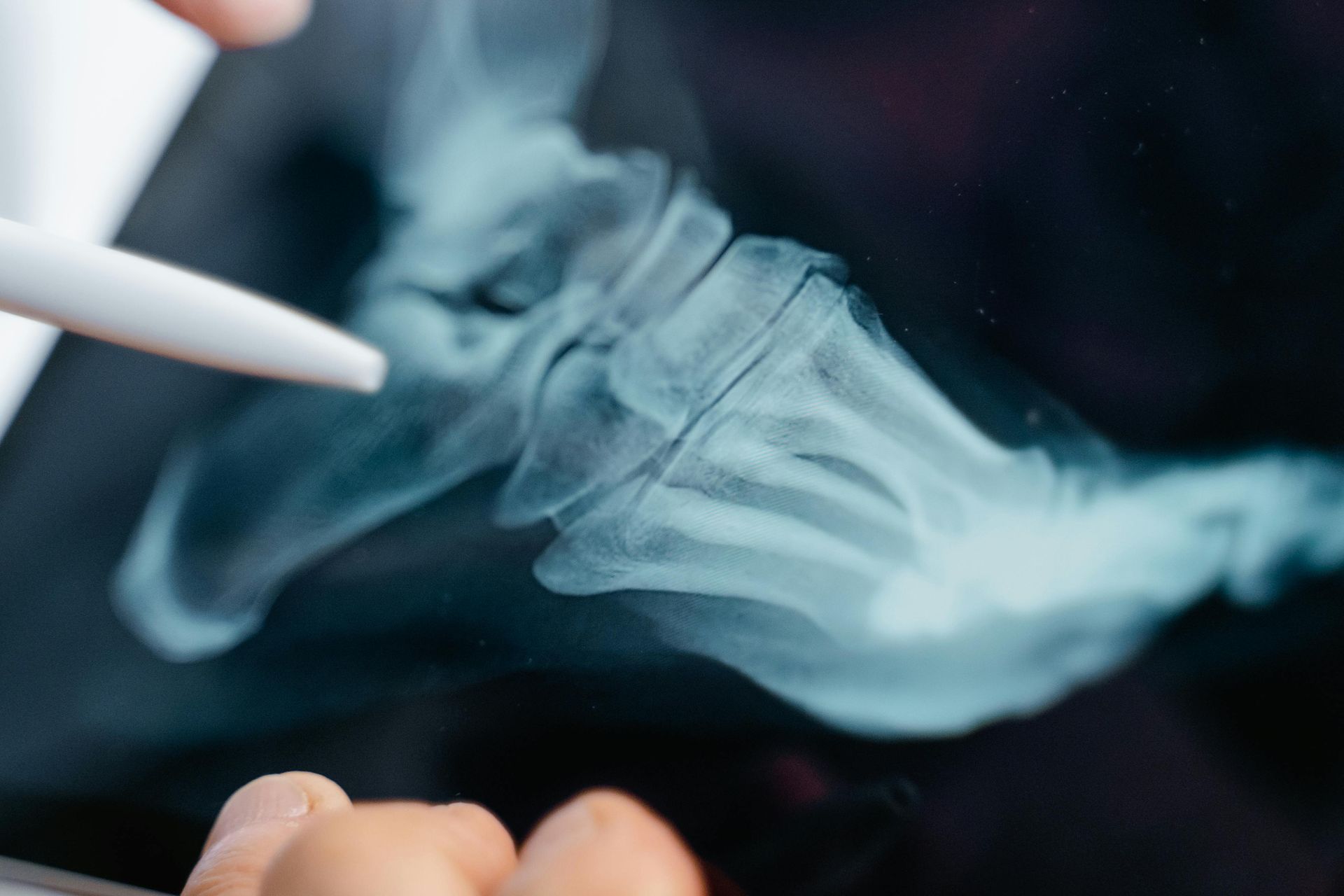
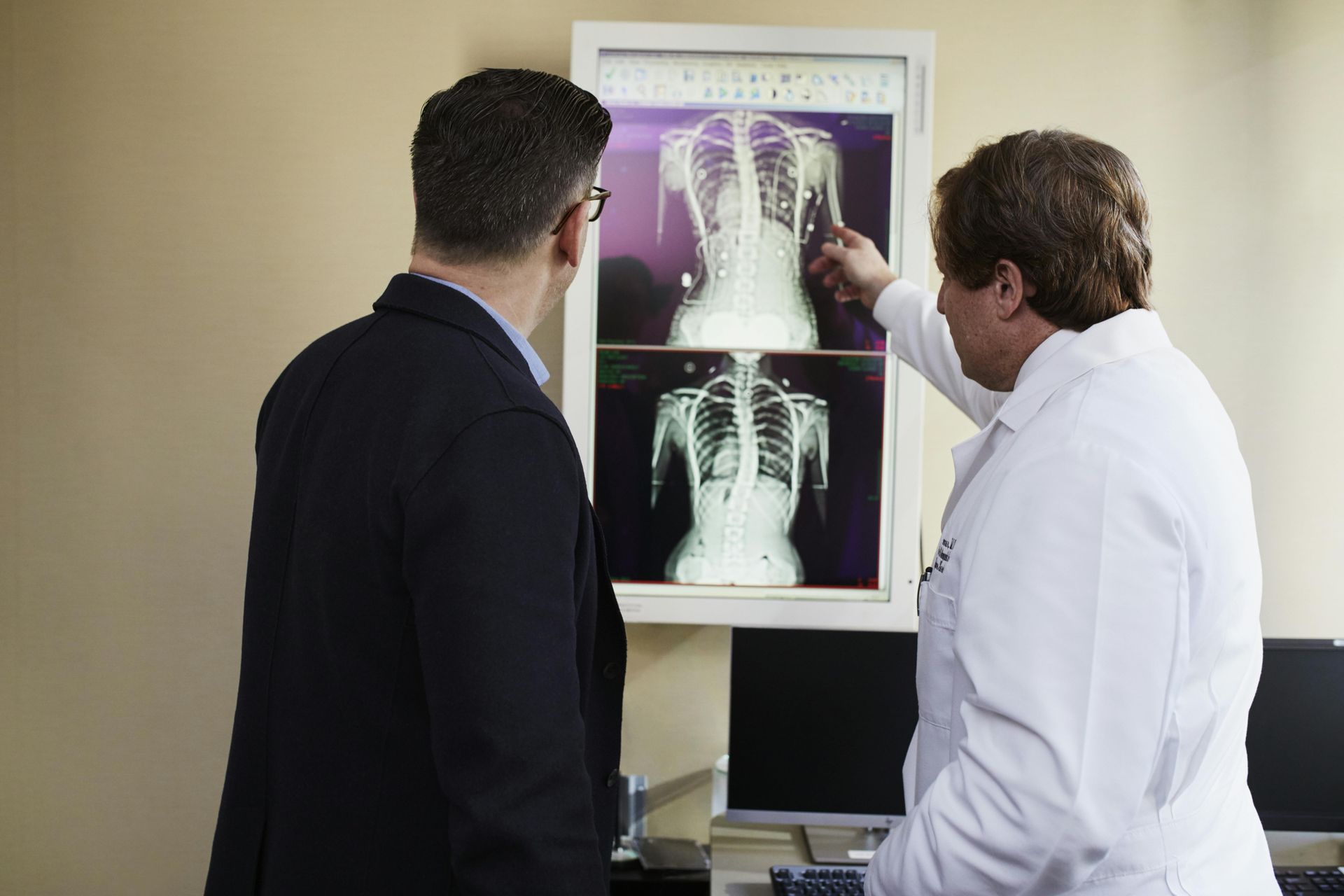
While many muscle strains can be managed with at-home treatment and rest, there are certain situations where medical attention is necessary. If the pain is severe, does not improve with rest, or is accompanied by significant swelling, bruising, or loss of function, it is important to seek medical advice. A healthcare professional can conduct a thorough assessment, including physical examination and imaging studies if needed, to determine the extent of the injury and recommend an appropriate treatment plan.
In the case of a suspected Grade III strain, where there may be a complete tear of the muscle, prompt medical attention is essential. Surgical intervention may be required to repair the damaged muscle, and early intervention can improve the chances of a successful recovery. Additionally, if there is any concern about complications, such as the development of a hematoma or muscle compartment syndrome, medical evaluation is necessary to prevent further damage and ensure proper healing.
Overall, understanding the symptoms, treatment options, and recovery process for muscle strains can help individuals manage their injuries effectively and return to their regular activities with confidence. By taking preventive measures and seeking medical attention when needed, it is possible to reduce the risk of future muscle strains and maintain optimal muscle health.
Don't Wait, Prioritize Your Health:
The moments following an accident can be chaotic, but prioritizing your health by seeking immediate medical attention is one of the most important decisions you can make. Even if you feel seemingly unharmed, hidden injuries can be lurking beneath the surface.
If you've been involved in an accident, don't delay. Visit your nearest emergency room, urgent care, or schedule an appointment with a personal injury doctor as soon as possible. At FMOS, we are dedicated to providing comprehensive and timely care to accident victims, ensuring you receive the diagnosis, treatment, and support you need to recover fully.
Your health matters. Don't let precious hours pass without getting the medical attention you deserve.
Contact Us Today
Have a question? Looking for treatment? We’re here to help. Send us a message and we’ll be in touch.