Essential Phrases to Tell Your Doctor After a Car Accident
Understanding the Importance of Communication with Your Doctor
Effective communication with your doctor is crucial for achieving optimal pain management outcomes at Florida Medical Orthopedic & Spine Institute. Open dialogue enables our experienced and compassionate physicians to gain a comprehensive understanding of your unique symptoms, medical history, and lifestyle factors, allowing for tailored treatment plans that address your specific needs. By expressing your concerns and asking questions, you foster a collaborative relationship that not only enhances your comfort but also empowers you to make informed decisions about your care. Remember, clear communication with our team is essential to navigating your journey towards improved musculoskeletal health.
Contact Us Today
Have a question? Looking for treatment? We’re here to help. Send us a message and we’ll be in touch.
Key Information to Share Immediately After an Accident
If you or someone you know has been involved in an accident, it’s crucial to gather and share essential information promptly. This will not only help ensure proper medical care but can also be vital for any potential legal proceedings or insurance claims. Here’s a guide on the key information you should collect:
Personal Information:
- Name, address, and contact details of everyone involved in the accident.
- Insurance information, including policy numbers.
Details of the Accident:
- Date and time of the accident.
- Location (exact address or landmark).
- A brief description of how the accident occurred.
Witness Information:
- Names and contact details of any witnesses.
- Statements or observations they can provide about the incident.
Medical Attention:
- Immediately report any injuries to medical professionals.
- Keep records of all medical treatments, diagnoses, and any referrals for further care.
Photographic Evidence:
- Take photos of the accident scene, damage to vehicles, and any visible injuries sustained.
Law Enforcement:
- If applicable, report the accident to the police and obtain a copy of the police report.
Documentation:
- Collect any relevant documents such as accident reports, medical records, and correspondence with insurance companies.
Remember, at Florida Medical Orthopedic & Spine Institute, our team is here to provide the necessary care and support you need following an accident. Whether you require surgical or nonsurgical treatment for musculoskeletal concerns, our experienced physicians are dedicated to your recovery. Your well-being is our priority, so do not hesitate to reach out for assistance.
Describing Your Symptoms: What to Include
When seeking help from the Florida Medical Orthopedic & Spine Institute, effectively describing your symptoms is crucial for accurate diagnosis and treatment. Here’s what to include when you communicate your experience:
- Location of Pain: Specify where the pain is located in your body. Is it in your back, neck, joints, or elsewhere?
- Type of Pain: Describe the nature of the pain. Is it sharp, dull, throbbing, or burning? This helps us understand the type of condition you may be facing.
- Intensity: Rate the severity of your pain on a scale from 1 to 10, where 1 is mild and 10 is unbearable. This provides a clearer picture of your experience.
- Duration: Mention how long you've been experiencing the pain. Is it chronic (ongoing for months or years) or acute (recent and intense)?
- Triggers and Relievers: Identify activities or positions that worsen or alleviate your pain. This could include movements, rest, or specific treatments.
- Associated Symptoms: Note any other symptoms that accompany the pain, such as swelling, numbness, tingling, or stiffness. This information can be vital for your diagnosis.
- Impact on Daily Life: Describe how your symptoms affect your daily activities and quality of life. This helps us understand the extent of your condition and tailor a treatment plan that addresses your needs.
- Past Treatments: Share any previous treatments you’ve tried, including medications, physical therapy, or surgeries, and their outcomes. This informs us of what has or hasn’t worked for you in the past.
By providing comprehensive information about your symptoms, you empower our team to develop the most effective treatment plan tailored to your needs. We are committed to working with you toward better pain management and improved quality of life.
Mentioning Pre-existing Conditions
At Florida Medical Orthopedic & Spine Institute, we understand that pre-existing conditions can significantly impact pain management and treatment outcomes. Our experienced team of physicians is dedicated to conducting thorough evaluations to identify how your unique medical history influences your musculoskeletal health. By recognizing and addressing these pre-existing conditions, we can tailor both surgical and nonsurgical treatment plans that cater to your specific needs. Our compassionate approach ensures you'll receive comprehensive care that not only alleviates pain but also promotes overall well-being, allowing you to regain control of your life with confidence.
Discussing the Accident Details: Time, Place, and Impact
When assessing the implications of an accident, it’s crucial to understand the specifics surrounding the event. At Florida Medical Orthopedic & Spine Institute, we recognize that the time, place, and the type of impact can significantly influence both the immediate and long-term health outcomes of individuals involved.
- Time: The timing of an accident can affect the severity of injuries sustained. For instance, accidents that occur during high-traffic times may involve higher speeds and greater force, leading to more severe musculoskeletal injuries. Additionally, the time elapsed before receiving medical attention can also impact recovery. Prompt assessment and treatment can mitigate long-term complications and aid in quicker recovery.
- Place: The location of an accident is another vital factor. Whether it occurs at home, on the road, or at the workplace, each environment presents unique risks. For example, accidents at construction sites may lead to more complex injuries due to the presence of heavy machinery. Understanding the specifics of where an accident occurred helps us tailor our treatment approaches and rehabilitation programs to best suit the needs of the patient.
- Impact: The nature of the impact—whether it’s a car collision, a fall, or a sports-related injury—also dictates the treatment pathway. Different injuries, such as fractures, strains, or sprains, require targeted interventions and can vary greatly in recovery time and methods of pain management. Our team at Florida Medical Orthopedic & Spine Institute is dedicated to providing personalized care that addresses these specific injury types, focusing on both surgical and nonsurgical options to optimize healing and restore functionality.
In conclusion, recognizing the details surrounding an accident—its time, place, and impact—allows us to better serve our patients and address their individual pain management needs effectively. If you or a loved one has been affected by an accident, contact us to schedule a consultation and learn more about our comprehensive treatment options.
Questions to Ask Your Doctor After a Car Accident
If you’ve been in a car accident, it’s crucial to address your health and wellbeing promptly. At Florida Medical Orthopedic & Spine Institute, we understand that navigating the aftermath of an accident can be challenging. Here are essential questions to ask your doctor to ensure you receive the comprehensive care you need:
What injuries should I be concerned about?
- Understanding potential injuries is vital. Ask your doctor to explain any common injuries related to car accidents, such as whiplash, concussion, or spinal injuries.
What diagnostic tests do I need?
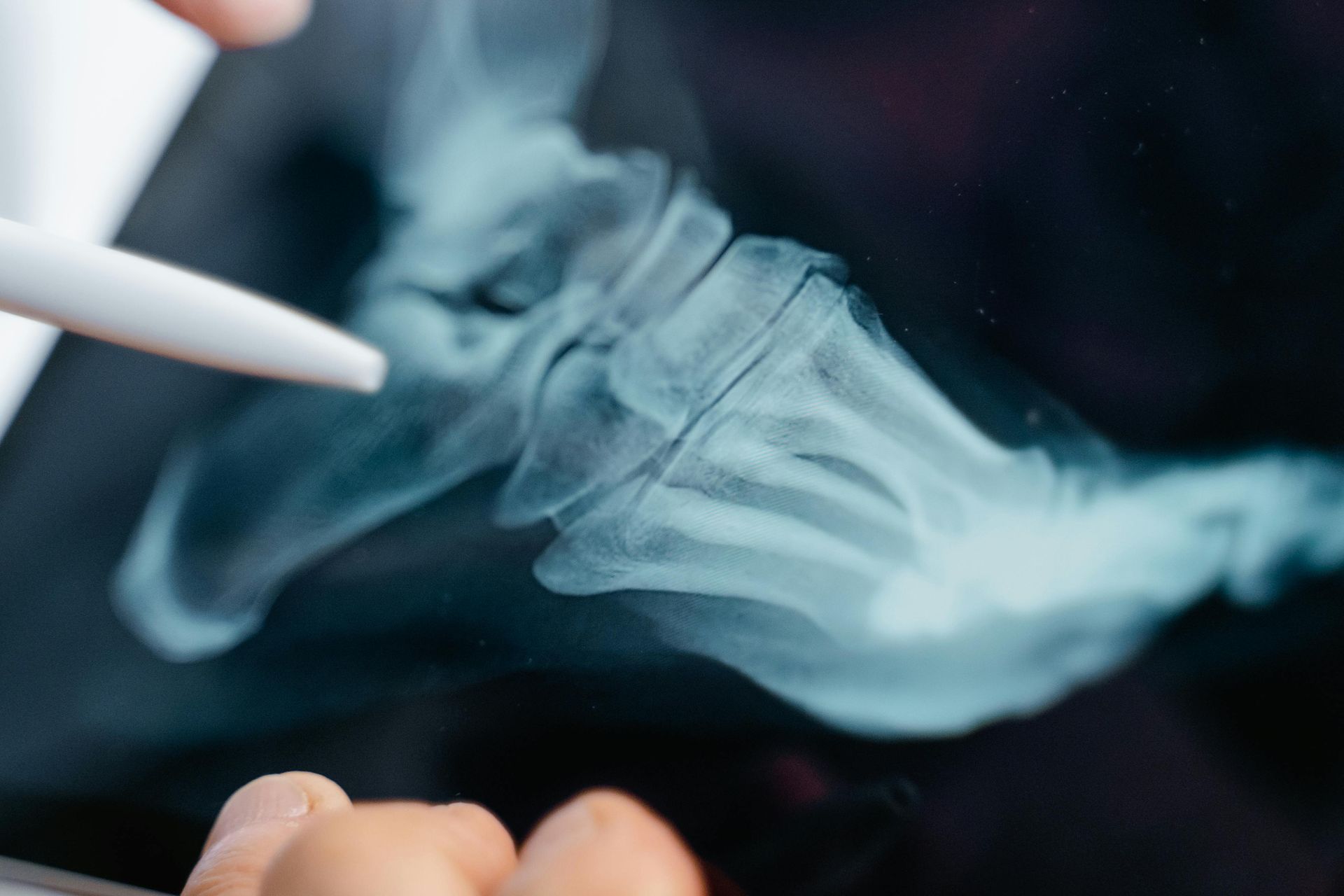
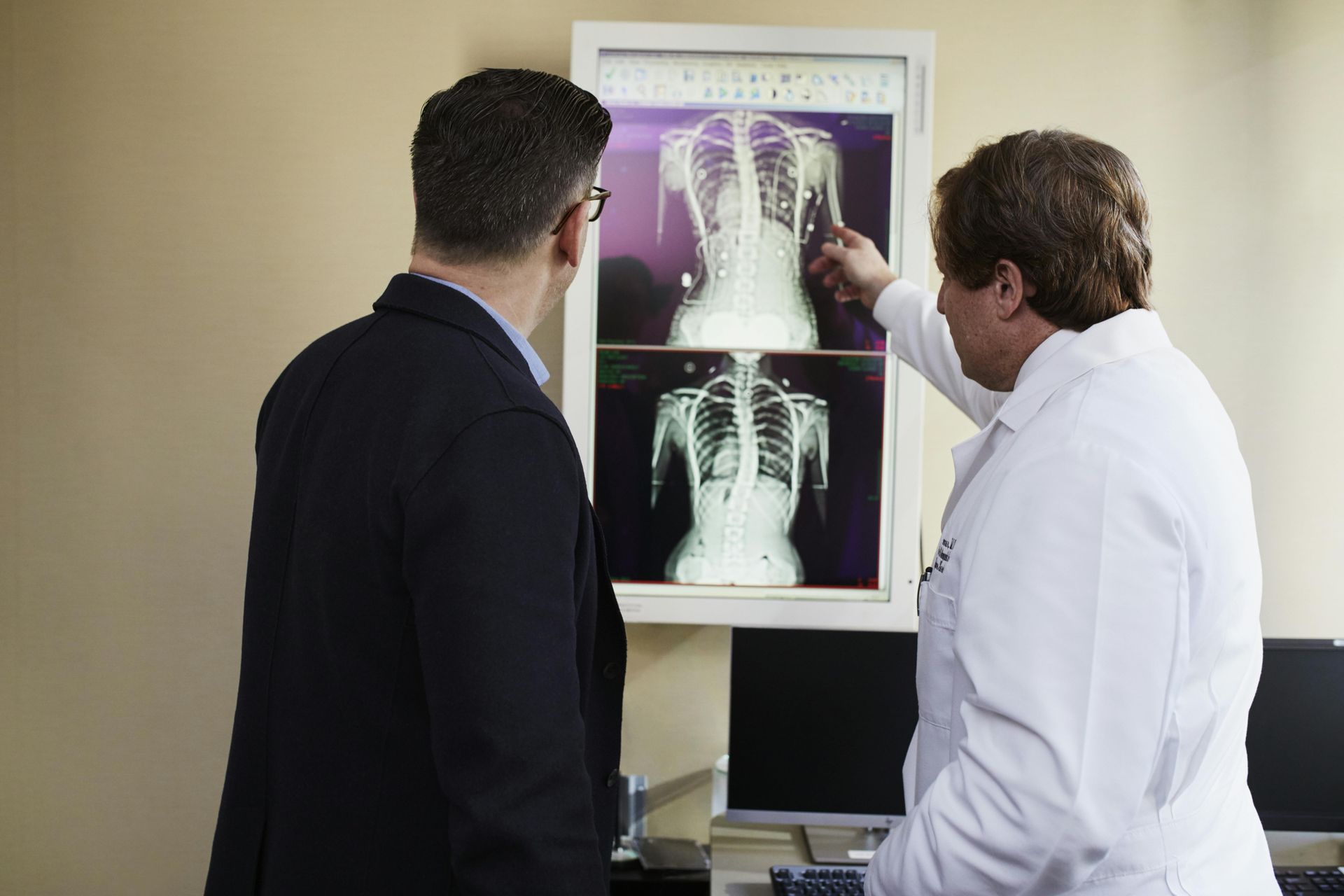
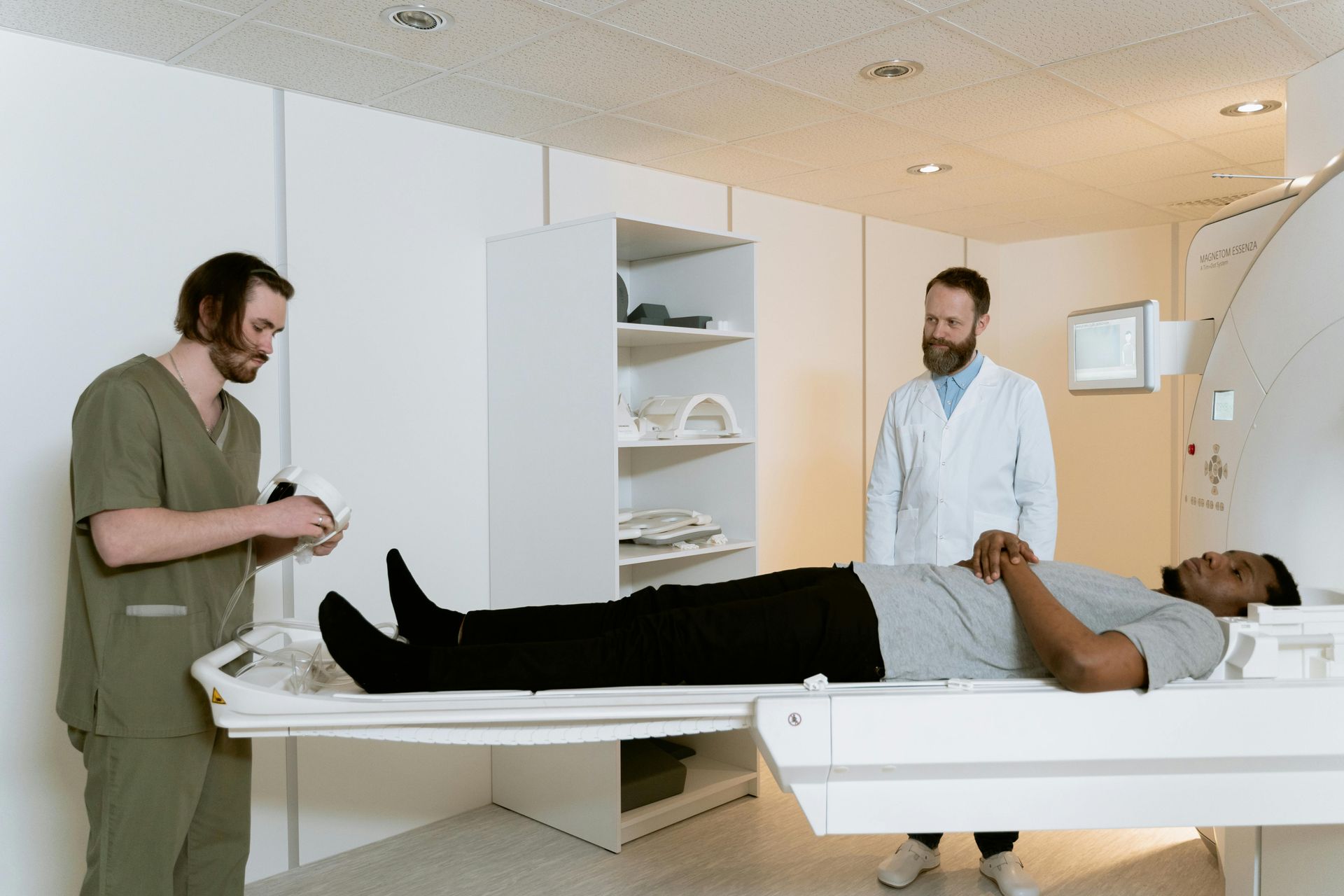
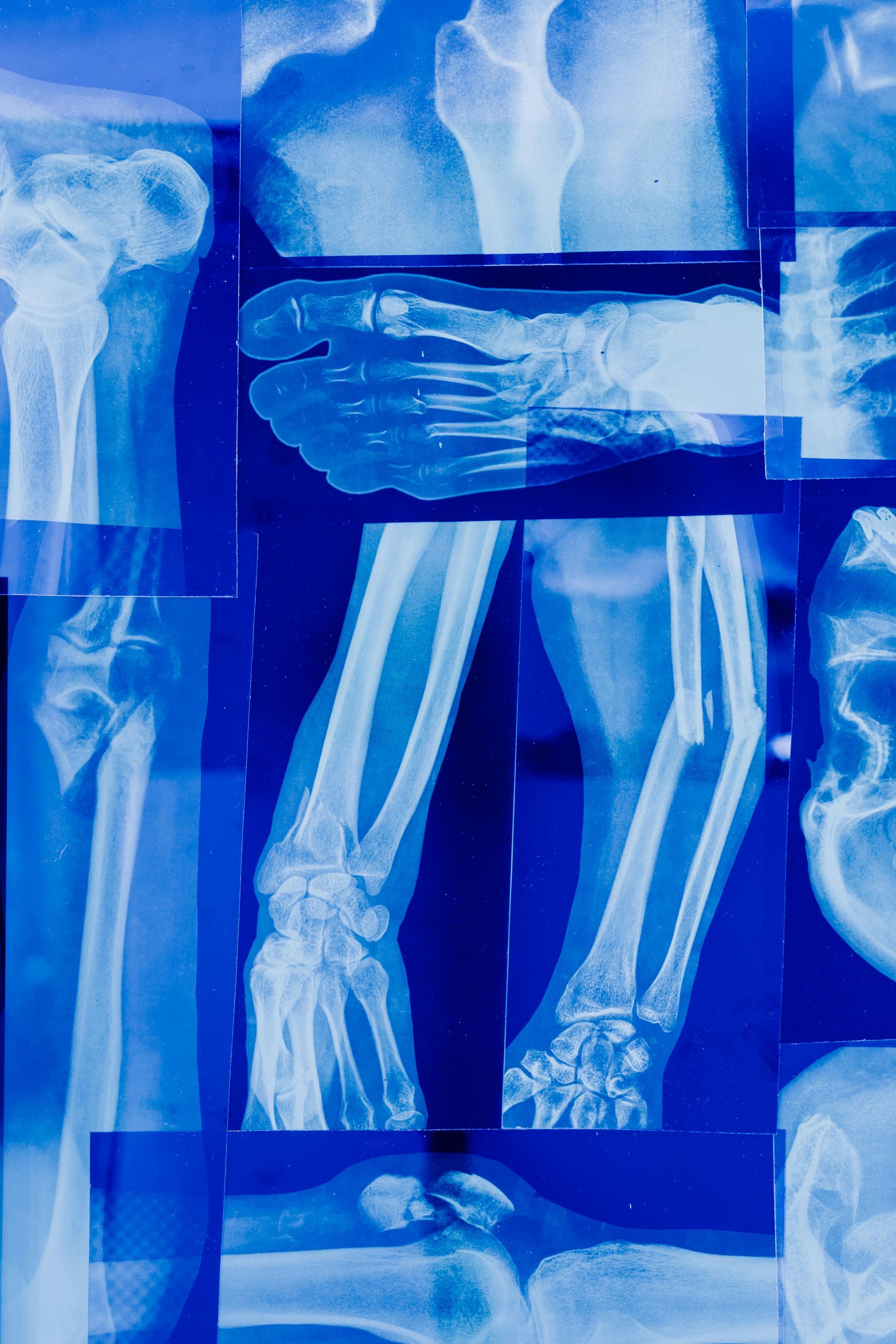
- Inquire about the tests that can help determine the extent of your injuries, such as X-rays, MRIs, or CT scans, and why they are necessary.
What treatment options are available?
- Ask your physician about both surgical and nonsurgical treatments. It’s essential to understand the benefits and risks of each option.
How long will my recovery take?
- Recovery times can vary significantly based on the nature of your injuries. Getting a realistic timeline can help you plan for your return to normal activities.
What symptoms should I monitor?
- Learn about warning signs or symptoms that may indicate worsening conditions, so you know when to seek additional care.
Are there any lifestyle changes I should consider?
- Your doctor may suggest modifications to your daily habits to support your recovery, such as changes in activity level, diet, or ergonomics at work.
What are the potential long-term effects of my injuries?
- Understanding the long-term implications can help you make informed decisions regarding your treatment and lifestyle.
How do we manage pain effectively?
- Pain management is crucial for recovery. Ask your doctor about strategies or medications they recommend to alleviate discomfort.
When should I schedule follow-up appointments?
- Ensure you have a clear plan for follow-up visits to monitor your progress and make any necessary adjustments to your treatment plan.
What resources are available for support?
- Inquire about rehabilitation programs, physical therapy, or counseling services that can aid in your recovery process.
At Florida Medical Orthopedic & Spine Institute, we are committed to providing you with the support and expert care you need after a car accident. Don’t hesitate to reach out with any additional questions or concerns you may have about your health. Your recovery is our priority.
The Role of Documentation in Your Medical Care
At Florida Medical Orthopedic & Spine Institute, we understand that thorough documentation is a critical component of effective medical care, particularly in the field of pain management. Proper documentation not only enhances the quality of care you receive but also plays a pivotal role in your treatment journey.
Ensuring Accurate Diagnosis and Treatment Plans
Accurate medical documentation begins with detailed patient histories and assessments. Our team of experienced physicians meticulously records your medical history, symptoms, and any previous treatments. This information allows us to develop personalized treatment plans tailored to your specific needs, whether you require surgical intervention or nonsurgical therapies.
Enhancing Communication Among Providers
In pain management, multiple healthcare providers may be involved in your care. Documentation serves as a vital communication tool that ensures all members of your healthcare team are on the same page. This collaboration facilitates coordinated care, minimizes the risk of redundancy, and supports the overall effectiveness of your treatment strategy.
Tracking Progress and Adjustments
Regular documentation of your symptoms, treatment responses, and any side effects is essential for monitoring your progress. Our physicians review this information to assess the effectiveness of your current pain management plan. If necessary, we can make informed adjustments to optimize your treatment and enhance your quality of life.
Supporting Insurance Claims and Legal Requirements
Proper documentation is not only important for patient care; it is also crucial for administrative and legal purposes. Accurate records support insurance claims, ensuring that you receive the benefits to which you are entitled. Moreover, in the event of any medical legal issues, comprehensive documentation provides protection for both you and our practice.
Fostering Patient Empowerment and Education
An often-overlooked aspect of documentation is its role in patient education. By providing you with clear and comprehensive records of your treatment, we empower you to better understand your condition and be an active participant in your care. Knowledge is a powerful tool in managing pain.
At Florida Medical Orthopedic & Spine Institute, we prioritize thorough and accurate documentation as a cornerstone of our commitment to delivering exceptional medical care. Our goal is to ensure that you receive the most effective treatment possible while keeping you informed and engaged throughout your pain management journey. If you have any questions about our documentation practices or how they benefit your care, please don’t hesitate to ask.
Conclusion: Ensuring Comprehensive Care Post-Accident
In conclusion, ensuring comprehensive care post-accident is crucial for optimal recovery and long-term health. At Florida Medical Orthopedic & Spine Institute, our dedicated team of experienced physicians is committed to providing personalized treatment plans that address both surgical and nonsurgical needs. We understand that each patient's journey is unique, and our compassionate approach combines advanced pain management techniques with rehabilitative therapies tailored to individual circumstances. By focusing on holistic care, we empower our patients to regain mobility, improve their quality of life, and foster resilience on their road to recovery. Trust us to guide you through every step of your healing process.
Don't Wait, Prioritize Your Health:
The moments following an accident can be chaotic, but prioritizing your health by seeking immediate medical attention is one of the most important decisions you can make. Even if you feel seemingly unharmed, hidden injuries can be lurking beneath the surface.
If you've been involved in an accident, don't delay. Visit your nearest emergency room, urgent care, or schedule an appointment with a personal injury doctor as soon as possible. At FMOS, we are dedicated to providing comprehensive and timely care to accident victims, ensuring you receive the diagnosis, treatment, and support you need to recover fully.
Your health matters. Don't let precious hours pass without getting the medical attention you deserve.
Contact Us Today
Have a question? Looking for treatment? We’re here to help. Send us a message and we’ll be in touch.